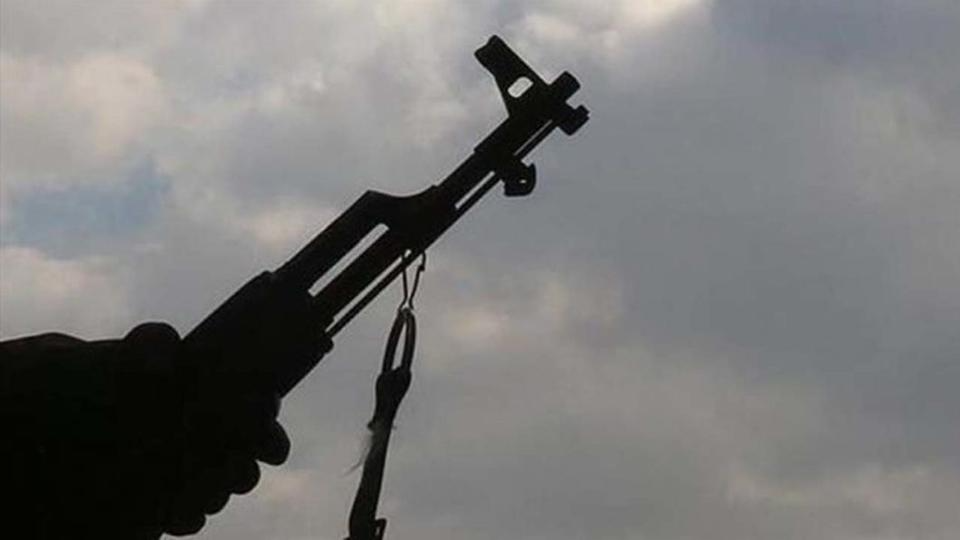
The recent arrest of suspected gunrunners in Kaduna State has laid bare the sinister role of small arms trafficking in fuelling Nigeria’s insecurity. Kaduna Police Command operatives apprehended several suspects, including a key supplier to bandit groups, during a raid in the Kafanchan area, recovering AK-47 rifles, ammunition, and other weapons linked to networks spanning the Northwest.
This operation, part of a nationwide sweep that arrested nine suspects and dismantled five syndicates, highlights the rampant proliferation of illicit arms, which is driving violence in Northern states.
As banditry devastates Zamfara and Katsina, and jihadists regroup in Borno, we are compelled to call for robust border controls to stem the arms flow, analysing the crisis’s roots and proposing comprehensive reforms to safeguard Nigeria.
Kaduna’s strategic position, bridging North-Central and Northwest Nigeria, makes it a pivotal hub for gunrunning. The arrests followed intelligence pinpointing a syndicate smuggling weapons from neighbouring states into Kaduna for distribution to bandits.
Similar operations reflect the scale: the Department of State Services (DSS) last month nabbed three gunrunners in Kaduna, seizing 12 AK-47 rifles, 200 rounds of ammunition, and N5 million in cash traced to bandit enclaves in Zamfara. Almost at the same time, troops in a joint exercise arrested suppliers along Kaduna’s outskirts, confiscating arms destined for Katsina’s forests. These incidents reveal a deadly pipeline: weapons enter via porous borders from Libya and Chad, transiting through Niger State to Kaduna’s black markets.
The connection to bandit networks is undeniable. In Zamfara, gunrunners arm abductions and cattle rustling. A recent raid in the Talata Mafara area led to the recovery of similar weapons—Katsina’s bandits, equipped with AK-47s, executed over 50 attacks killing dozens. The Small Arms Survey estimates 70 per cent of Nigeria’s 10 million illicit weapons originate from post-conflict Libya, smuggled via Sahel routes into the North. This arsenal empowers non-state actors, escalating herder-farmer clashes in Plateau into deadly skirmishes and sustaining Boko Haram remnants in Borno. A 2025 UNODC report notes that arms trafficking fuels 80 per cent of violent incidents in the Northwest, amplifying insecurity.
A deeper analysis exposes systemic frailties. Nigeria’s 4,000-kilometre land borders lack adequate surveillance, with only 20 per cent equipped with technology, according to a 2025 report by the Nigeria Centre for Disease Control on cross-border threats.
Corruption facilitates smuggling; customs officers in Sokoto were implicated in arms deals, as revealed in a leaked memo dated October 2025. Economically, the trade disrupts agriculture in Kaduna, contributing to a 40 per cent increase in food inflation in the North. Socially, it perpetuates violence cycles, with orphaned children in Zamfara recruited into gangs, displacing 100,000 in 2025. Social media reports reflect public outrage, with users decrying the “arms bazaar” in Kaduna and demanding drone patrols. Experts from the Institute for Peace and Conflict Resolution warn that unchecked gunrunning risks merging with jihadism, potentially spilling into the Middle Belt, as seen with the emerging Wulowulo group in Kwara.
The positive strides made following the arrests offer hope. The Kaduna operation disrupted a supply chain to 200 bandits, potentially averting attacks in Katsina. Nationwide, the National Drug Law Enforcement Agency (NDLEA) and Customs seized N10 billion in arms-related goods in October, reducing circulation by 15 per cent year-on-year.
Community intelligence in Zamfara, rewarding tips with N5 million bounties, has bolstered efforts. However, challenges persist: recovered weapons often trace to expired military stockpiles, indicating internal leaks. In Borno, a Maiduguri bust on October 18 yielded Rocket Propelled Grenades (RPGs) linked to ISWAP, yet prosecution rates remain low at 20 per cent, undermining deterrence. The failure to secure convictions fuels a sense of impunity, as noted by analysts from the Small Arms Survey, who point to judicial bottlenecks.
To fortify borders, Nigeria must implement urgent reforms. Deploy Artificial Intelligence (AI) -driven surveillance and drones along Kaduna’s frontiers, building on Sokoto’s pilot that achieved 30 per cent detection gains. Enhance inter-agency coordination through the National Centre for Control of Small Arms, allocating adequate funds in the 2026 budget for capacity building. Strengthen ECOWAS protocols to monitor Sahel routes, curbing inflows from Libya, as 60 per cent of arms enter via Niger Republic. Community engagement, like Zamfara’s model, should expand, incentivising local tip-offs. Experts recommend amnesty programmes, akin to Mali’s 2024 initiative that collected 5,000 arms, to reduce circulation. Public sentiments on social media align, urging death penalties for traffickers to deter syndicates.
Regionally, West Africa faces similar threats. A 2025 ECOWAS report highlights arms smuggling as a driver of 12,964 conflict deaths in the first half of 2025 across the Sahel. Nigeria’s leadership in ECOWAS could push for a regional task force that integrates intelligence from Chad and Niger. Nationally, addressing root causes like poverty, which drives youth into trafficking, is critical. Kaduna’s youth unemployment rate of 6.5 per cent in 2025 fuels recruitment into syndicates.
We commend the Kaduna arrests as a critical step, but border controls remain the linchpin to dismantling the arms pipeline. By implementing these reforms, Nigeria can curb banditry, protect communities, and restore stability across the North and beyond.
We’ve got the edge. Get real-time reports, breaking scoops, and exclusive angles delivered straight to your phone. Don’t settle for stale news. Join LEADERSHIP NEWS on WhatsApp for 24/7 updates →
Join Our WhatsApp Channel