
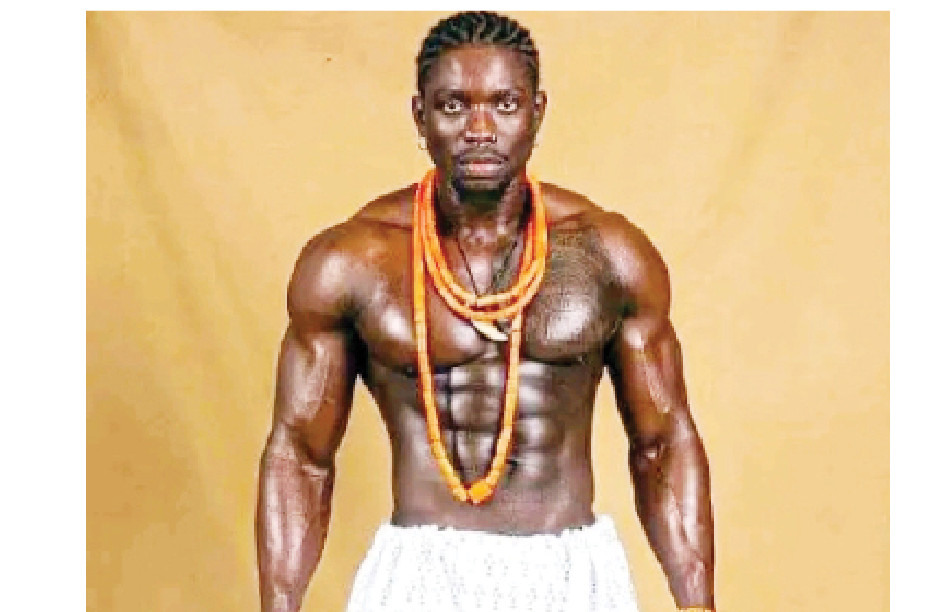
In a nation grappling with silent depression and economic strain, a recent viral stunt involving social media influencers King Mitchy and Very DarkMan (VDM) ingesting a household chemical has sparked widespread outrage and raised critical questions about influence, responsibility, and mental health, underscoring the urgent need for authorities to intervene and prevent such spectacles from becoming a dangerous precedent for the country’s vulnerable youth. CHRISTIANA NWAOGU writes
Last weekend, when timelines were already crowded with political outrage and economic complaints, two names rose above the noise: King Mitchy and Very DarkMan (VDM). A video circulated. A sachet of a household chemical was raised. Claims of “drinking hypo” followed. Then came the dramatic declaration: they had “died” and returned.
Within hours, the internet fractured into camps, believers, skeptics, defenders, critics. Memes multiplied. Engagement soared.
But beneath the spectacle lay a sobering question: in a country wrestling with depression, unemployment, and social despair, what happens when influence performs self-harm for attention?
This is not merely about two personalities. It is about the climate in which such a performance lands.
The incident, which amplified across social media platforms, was framed as spectacle. In fact, the claims of “dying” and surviving turned what should have been a medical emergency into digital drama. But beyond the shock value lay a troubling reality: that in a fragile society, performative self-harm, even when staged, sent a dangerous signal to vulnerable minds.
The earlier we realise that Nigeria today is not merely scrolling for amusement, the safer it will be for the Nigerian teenagers and youth who are battling silent battles and life’s challenges. Sadly , these so-called social media influencers and even some activists, may not realise that, unlike them, many young people are coping quietly with unemployment, inflation, displacement, and uncertainty about the future.
Hence, mental health professionals warn that, in such climates, sensational portrayals of extreme behavior can normalise risk-taking and blur the boundaries between satire and self-destruction.
Can The VDM, King Mitchy Hypo Stunt Normalise Self-Harm?
VDM and King Mitchy must be made to understand that their hypo stunt wasn’t just entertainment but life-threatening tutorials . They must know that copycats are real. The truth is that when supposed stars glamorise danger, vulnerable youth follow, hence, their apologies is overdue.
Reacting to the stunt, a concerned parent, Mrs. Nkechi Okafor Ezeghuchi, said, “It is frightening that young people are being exposed to such dangerous acts under the guise of entertainment. VDM and King Mitchy must understand that what they did isn’t a joke, it’s a deadly example that impressionable kids may try to copy. Their apologies are long overdue, and there needs to be accountability to prevent others from getting hurt.”
Why Social Media Audiences Should Stop Rewarding Extreme Behaviors:
A mental health advocate , Dr. Belenda Achukwu, advised social media audiences to at this point stop rewarding extreme behavior. She said, “This is because, every like, share, and comment is a green light for danger. You must know that your likes and shares aren’t innocent, they are endorsements of harm and the earlier you realise this and stop applauding destruction, the earlier your clicks c an stop fueling real-life tragedies.Applauding destruction is literally fueling tragedies.”
NAFDAC, NBC Silence Sparks Concern:
Nigerians, particularly parents, are expressing concern that despite the life-threatening stunt by the duo of VDM and King Mitchy, two key regulatory agencies; NAFDAC and NBC, have chosen to remain silent, neither condemning the stunt nor taking any visible action.
Efforts by LEADERSHIP Weekend to elicit a response proved futile, as repeated calls, texts, and WhatsApp messages to both NAFDAC and NBC went unanswered. This silence highlights a worrying lack of oversight, especially as young people continue to put themselves at risk.
Reacting to the agencies’ inaction, a cleric and Head of the Teens Solutions Department at Bread of Life Chapel, Bishop Esege Ibangha, expressed dismay at what he called “an alarming neglect of duty that puts our youth in harm’s way. He said, “When dangerous acts are ignored, it sends a message that recklessness is acceptable. Both parents and regulatory bodies must rise to protect our children before tragedy strikes.”
Accountability: Why Concerned Government Agencies Should Speak Up?
It is sad that one week after this dangerous trend that shook the internet, concerned government agencies are still silent. The National Orientation Agency (NOA), the Federal Ministry of Health, the Nigerian Broadcasting Commission (NBC), and the National Agency for Food and Drug Administration and Control (NAFDAC), why wait for calls before speaking? Silence is complicity.
Are Our Lawmakers Scared Of Being Dragged By VDM?
It is sad that days after this life-threatening stunt, our distinguished lawmakers who are supposed to care about the well-being of the people—have still not raised their voices to condemn it. Are you all afraid of VDM? Youth cannot wait for courage.
We appreciate the work being done in both the Red and Green Chambers and across the states, but what about your involvement in issues affecting children and depressed youths? Silence here costs lives. Youth cannot wait while you hesitate.
Speaking on the reckless silence of key government agencies, Dr. Ifeanyi Udeh, a clinical psychologist, expressed deep frustration, saying, “It is utterly irresponsible for agencies like the National Orientation Agency (NOA), the Federal Ministry of Health, the Nigerian Broadcasting Commission (NBC), and the National Agency for Food and Drug Administration and Control (NAFDAC) to remain mute in the face of a life-threatening trend. This is not the time for press statements or polite acknowledgments, our youth are being exposed to real danger, and silence is complicity.
According to Ude, “The NOA cannot sit on the sidelines while public behavioral reorientation is urgently needed. The Federal Ministry of Health must recognise that rising mental health crises, depression, and risky behavior do not wait for official letters. NBC, as a regulator, has a duty to curb harmful content before it claims lives. NAFDAC must rise to its mandate, just as the late Prof. Dora Akunyili did, and ensure warnings about chemical misuse are enforced, not optional.
And to social media platforms, moderation is not a suggestion; it is a moral and societal duty. This laissez-faire attitude endangers lives. To ignore these threats is to abandon the very people these agencies exist to protect. Enough is enough.” he con
HYPO Bleach Speaks , Says ” Our Product Not Meant For Consumption “
Amid the controversy, Hypo bleach manufacturers also issued a statement warning against the misuse of the product and emphasising that it is not meant for consumption.
“HYPO Is Not For Drinking,” the statement read, stressing that the bleach is designed to whiten fabrics, deodorise and kill germs, not to be consumed.
The company added that it had observed images circulating online that appear to encourage the consumption of the product, warning that such behaviour poses serious health risks.
“We want to be unambiguous: those images are dangerous. Hypo is a bleach. It is not something to consume for the sake of trends,” the statement said.
The company also cautioned influencers, bloggers and content creators against promoting harmful trends, noting that “a trend that ends in ill-health is not a trend worth starting.”
It further urged young Nigerians not to succumb to peer pressure online and encouraged individuals facing emotional or psychological challenges to seek help from trusted persons or professionals.
At Last , NOA Condemns Risky Stunts:
The National Orientation Agency (NOA) finally condemned the recent online content by activist Martins Otse (VeryDarkMan) and philanthropist Mitchelle Mukoro (King Mitchy), warning that their risky stunts and use of harmful substances could negatively influence young Nigerians.
Fielding questions from LEADERSHIP Weekend, NOA’s director of Communication and media, Mallam Bala Musa, stressed that social media influencers hold significant sway over youth and must act responsibly. He warned that such dangerous behaviour could encourage teenagers to imitate them, with potentially disastrous consequences.
Musa urged online personalities to promote positive values and responsible conduct, becoming role models that inspire pride and safety among young Nigerians. The agency reaffirmed its commitment to protecting youth from harmful digital influences.
“If they are engaging in this kind of unwholesome and very unfortunate behaviour, it doesn’t sound well with them. The youth may try to copy them, and if they take the real substances, the consequences could be disastrous.
“My advice is that they should desist from such acts and do things that are positive, things that will portray them as real leaders and influencers so that the youth will be proud of them tomorrow,” he said
Rising Youth Pressures:
At this point, it’s important to remind uus that depression is rising. Economic hardship is crushing dreams while youth frustration is turning to risky actions and sadly , social media pressure culture further makes validation a deadly game.
Activists, Entertainers, Online Users Condemn Stunt:
Meanwhile, the trend has sparked reactions from activists, entertainers, and online users, who warn that the stunt could encourage dangerous behavior among young Nigerians. It also drew criticism from other public figures, who argued that it reflects a troubling culture of seeking online attention at the expense of personal safety.
Popular activist @MamaPee expressed disappointment over what she described as the mindset of many Nigerian youths, saying it signals a concerning shift in priorities.
“People are being killed and kidnapped but everyone on social media is talking about hypo, even Nigerian media. Social media used to motivate you but lately, all you see is everyone playing with hypo,” she said.
Similarly, actress Mary Remmy Njoku criticised the trend, describing it as a distraction from more important issues.
In a post on her Instagram story, she wrote: “Does our generation truly have the capacity to focus on what’s important for their lives and their future? Or have we collectively chosen distraction over direction? I came online briefly and was honestly shocked at the level of noise and trivialities competing for attention.”
Some social media commentators have also called for stronger action against individuals promoting the stunt online. Social media personality @DanielRegha on X stated, “Everyone who participated in the attempted drinking of the hypo trend should be arrested and sent to prison.”
Another user, @Dannymasterp, criticised authorities for allowing harmful content to circulate freely online.
“Honestly, Our security service agencies are not doing their work here in this country by allowing this people to trend harmful objects in the public media. We keep allowing a lot of things trend in this country and we call it engagement and farming impressions not acknowledging the negative effects those things have in the life of our citizens especially the young people,” the user wrote.
However, another user, @xtopher_Uzo, expressed scepticism about whether authorities would take action, saying: “They will not arrest them. In a normal country, they should be arrested. But this is Nigeria.”
To this end, every actor, celebrity, social media user, and policymaker must take responsibility and act decisively before more promising young Nigerian lives are lost. We also call on VDM and King Mitchy to issue an immediate and heartfelt apology, recognising that many young Nigerians look up to them as role models and are deeply influenced by their words and actions.
We’ve got the edge. Get real-time reports, breaking scoops, and exclusive angles delivered straight to your phone. Don’t settle for stale news. Join LEADERSHIP NEWS on WhatsApp for 24/7 updates →
Join Our WhatsApp Channel