Lagos State government has said mandatory health insurance and stronger public‑private partnerships are central to its healthcare financing reforms, as it works to close an estimated N100 billion gap between current health sector funding and projected healthcare needs.
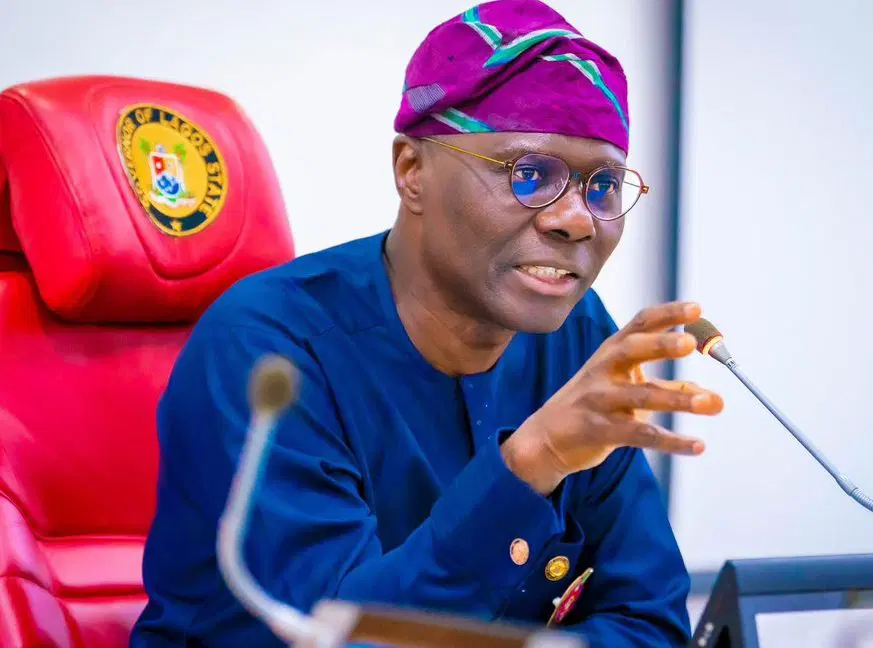
At the 2026 ministerial press briefing held at Alausa-Ikeja, the commissioner for Health, Prof. Akin Abayomi, said the state was intensifying efforts to expand health insurance coverage, improve healthcare infrastructure and reposition Lagos as a leading medical tourism destination in Africa.
The briefing formed part of activities commemorating the seventh year in office of Governor Babajide Sanwo-Olu and Deputy Governor Obafemi Hamzat.
Abayomi disclosed that Lagos currently spends about eight per cent of its budget on health, far below the 15 per cent benchmark recommended under the Abuja Declaration, stressing that alternative financing mechanisms had become imperative for the sustainability of healthcare delivery.
According to him, “There is a gap between what is available to us through our budget and what we ideally want to spend. The blue bar is our current budget, while the red bar is our wish budget, and there is a gap of at least N100 billion between what we get and what we want.”
He explained that dwindling donor support and rising healthcare demands in a rapidly growing megacity necessitated the State’s aggressive push for mandatory health insurance and stronger collaboration with the private sector.
“The answer for us really is two things: health insurance and public-private partnership. This is where we are focused at the moment in Lagos State,” the Commissioner said.
Abayomi noted that Governor Sanwo-Olu had domesticated the National Health Insurance Authority Act through an executive order signed on 16 July 2024, making health insurance mandatory for all residents living in Lagos State.
He stated that ministries, departments, and agencies had already commenced implementing enforcement measures requiring residents seeking government services to present evidence of accredited health insurance coverage.
According to him, the initiative is expected to significantly increase health insurance enrolment and create a sustainable financing pool capable of strengthening healthcare facilities, improving infrastructure and supporting vulnerable populations through equity funding mechanisms.
“Health insurance is the umbrella by which the healthy look after the sick and the rich look after the poor. It is a solidarity phenomenon,” Abayomi said.
The Commissioner revealed that over 1.46 million residents had already been enrolled in the Lagos State Health Management Agency’s Ilera-Eko health insurance scheme, noting, however, that the State still had a long way to go to achieve universal health coverage.
He lamented that about 77 per cent of healthcare spending in Nigeria currently comes directly from citizens’ pockets. In comparison, only 2 per cent is financed through insurance, which is described as unsustainable and anomalous.
Speaking on Lagos’ long-term health vision, Abayomi said the State’s 2052 Development Plan was designed to transform Lagos into a model megacity and position it among the top three healthcare destinations in Africa within the next decade.
We’ve got the edge. Get real-time reports, breaking scoops, and exclusive angles delivered straight to your phone. Don’t settle for stale news. Join LEADERSHIP NEWS on WhatsApp for 24/7 updates →
Join Our WhatsApp Channel