Leading multilateral institutions warn of deepening economic disruptions, saying the escalating conflict in the Middle East is beginning to reverberate across the global economy, raising fresh concerns over food security and employment.
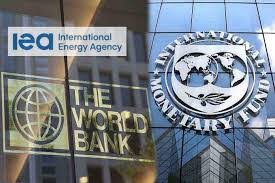
This was further emphasized in a joint statement issued by International Energy Agency, International Monetary Fund and the World Bank Group after a high-level coordination meeting at the commencement of the 2026 Spring Meetings holding in Washington DC.
The heads of the multilateral organisations at the end of the joint meeting noted that the ongoing war has triggered significant shocks, particularly for energy-importing nations and low-income countries.
The institutions noted that rising prices of oil, gas and fertilisers are already fuelling fears of worsening food insecurity and job losses globally. .
According to them, the economic impact of the conflict remains “substantial, global and highly asymmetric,” with vulnerable economies bearing the brunt of the disruption.
They further observed that while energy exporters in the Middle East are grappling with a sharp loss in export revenues, countries dependent on imports are facing mounting cost pressures, worsening fiscal strains and heightened risks to livelihoods.
The situation is compounded by continued disruptions to shipping through the Strait of Hormuz, a critical artery for global energy supplies.
Although efforts are ongoing to restore normal shipping flows, the institutions warned that it could take time for global commodity supplies to return to pre-conflict levels.
They stressed that the damage to infrastructure may keep fuel and fertiliser prices elevated for an extended period, with knock-on effects on agricultural production, industrial output and broader economic activity. Shortages of key inputs, they added, are likely to ripple through energy, food and manufacturing sectors.
Beyond commodity markets, the war has also led to forced displacement of people, job losses, and a decline in travel and tourism, further weighing on economic recovery prospects in affected regions.
The three institutions disclosed that they are intensifying collaboration at both global and country levels to address the unfolding crisis. This includes providing tailored policy advice, as well as financial support from the IMF and World Bank where necessary.
They also noted that their latest assessments would inform key upcoming reports, including the IEA’s Oil Market Report and the IMF’s World Economic Outlook, expected to provide further insights into the evolving global outlook.
Going forward, the organisations pledged to continue closely monitoring developments in energy markets and the broader global economy, while coordinating responses to support member countries.
They emphasised the need for sustained international cooperation to mitigate the crisis and lay the groundwork for a resilient recovery capable of delivering stability, growth and jobs.
We’ve got the edge. Get real-time reports, breaking scoops, and exclusive angles delivered straight to your phone. Don’t settle for stale news. Join LEADERSHIP NEWS on WhatsApp for 24/7 updates →
Join Our WhatsApp Channel