Economic analysts have warned that sustained geopolitical tensions involving Iran, Israel, and the United States are keeping oil markets volatile, creating a wave of uncertainty that is already feeding into inflation, currency instability, and slowing down investment in housing, infrastructure, construction across emerging economies.
War in the Middle East has led to skyrocketing fuel prices, creating worksite woes and growing fears for diesel reliant construction industries.
The ongoing conflict has also led to increased costs for PVC, plastics pipes, cables and reinforcement rods, key construction products, which are rising up to 40 per cent at inventory price.
For Nigeria and Ghana, two West Africa’s largest economies are heading into a defining economic moment in 2026, as prolonged disruptions around the Strait of Hormuz ripple through global energy markets and collide with long standing domestic vulnerabilities stretching implications far beyond energy, cutting across housing, infrastructure, fiscal stability and overall economic growth.
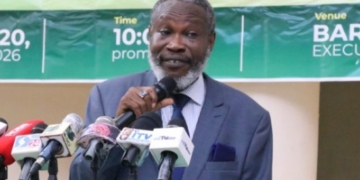
According to real estate analyst and Chairman Association of Capital Markets Valuers (ACMV), Mr Chudi Ubosi said both countries are entering this period from structurally fragile positions.
“We are dealing with economies where demand is strong, but the systems required to efficiently meet that demand are still underdeveloped,” he said.
In Nigeria, a housing deficit of 20-28 million units highlights deep inefficiencies in land administration, financing, and construction systems. Ghana, while smaller in scale, faces similar pressures tied to rapid urbanisation, high building costs and limited access to long-term housing finance.
Urban population growth continues to intensify demand in major cities such as Lagos, Abuja and Accra, placing pressure on housing supply, transport systems and basic infrastructure. However, Ubosi stressed that demand itself is not the central issue.
“The real constraint is structural. The market is not lacking buyers; it is lacking efficiency, affordability frameworks and scalable delivery systems,” he noted.
The ongoing Hormuz crisis is amplifying these weaknesses.
As one of the world’s most critical oil transit routes remains under strain, global crude prices have become increasingly sensitive to geopolitical developments.
“The Strait of Hormuz situation is not just a distant geopolitical issue; it has direct consequences for domestic economies like Nigeria and Ghana,” Chudi Ubosi said, adding that Energy price volatility feeds into construction, logistics and ultimately the cost of living.
While higher oil prices may boost export revenues for oil-producing countries like Nigeria, both Nigeria and Ghana remain heavily exposed to the downstream effects of rising energy costs and household affordability pressure.
We’ve got the edge. Get real-time reports, breaking scoops, and exclusive angles delivered straight to your phone. Don’t settle for stale news. Join LEADERSHIP NEWS on WhatsApp for 24/7 updates →
Join Our WhatsApp Channel