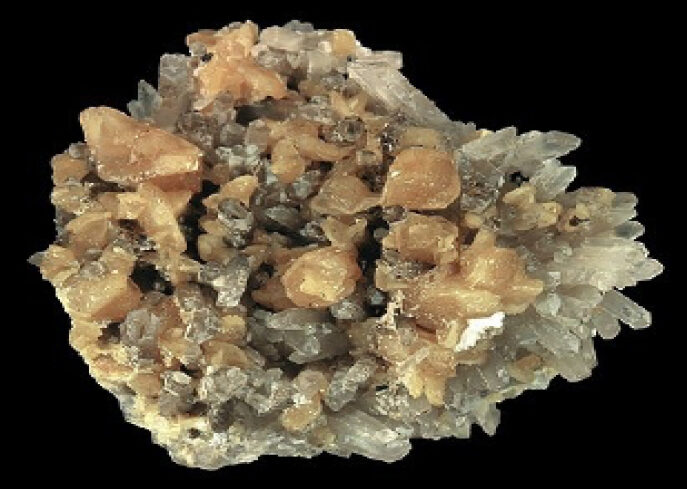
Nigeria’s largely untapped monazite reserves could represent one of the country’s most significant economic opportunities in decades, offering pathways into the booming global market for rare earth elements (REEs). These critical minerals power everything from electric vehicles and renewable energy technologies to advanced defence systems and telecommunications infrastructure.
As the world accelerates toward clean energy and technological self-reliance, monazite, rich in rare earth elements such as cerium, lanthanum, neodymium, and praseodymium, has become a strategic asset. Nigeria, with known deposits in states such as Plateau, Kaduna, Kogi, Cross River and Taraba, holds the potential to convert these mineral resources into billions of dollars in economic value over time.
Global demand for rare earths is projected to grow sharply, particularly for neodymium and praseodymium, which are essential for high-performance magnets used in wind turbines and EV motors.
jWith China currently dominating more than 80 per cent of the world’s REE processing market, countries and industries are urgently seeking alternative sources. This supply-demand imbalance positions Nigeria advantageously. Analysts estimate that monazite ores can fetch between $2,000 and $5,000 per tonne in raw form, and significantly more, up to 10 times higher when processed into separated rare earth oxides. Nigeria has an estimated 6 million tons of monazite ore reserves, according to the United States Geological Survey. Moving beyond raw mineral exports toward a downstream value chain could multiply economic gains.
If properly harnessed, Nigeria’s monazite reserves could generate significant foreign exchange earnings, diversify export revenue, and reduce overdependence on crude oil. The establishment of REE processing hubs could spark new industrial clusters, attract foreign direct investment and create high-skilled jobs in geology, engineering, metallurgy, energy and manufacturing. Experts also see an opportunity for the country to position itself as a critical minerals supplier within the African Continental Free Trade Area (AfCFTA), supporting continental manufacturing of batteries, electric mobility components and electronics.
However, extracting economic value from monazite presents challenges. The mineral contains thorium, a radioactive element that requires strict regulatory and environmental management. This requires robust safety frameworks, investment in secure processing technology, and partnerships with countries experienced in handling such materials. Moreover, Nigeria would need to establish a reliable policy environment, enhance transparency in the mining sector, and improve infrastructure in mining communities.
Still, the long-term potential is compelling. Analysts argue that with the right strategy—focused on beneficiation, global partnerships, and environmental governance —Nigeria could generate billions of dollars annually while paving the way for a rare-earth-driven industrial revolution. In an era where critical minerals are becoming the new oil, monazite could offer Nigeria a fresh chance to reshape its economic future.
We’ve got the edge. Get real-time reports, breaking scoops, and exclusive angles delivered straight to your phone. Don’t settle for stale news. Join LEADERSHIP NEWS on WhatsApp for 24/7 updates →