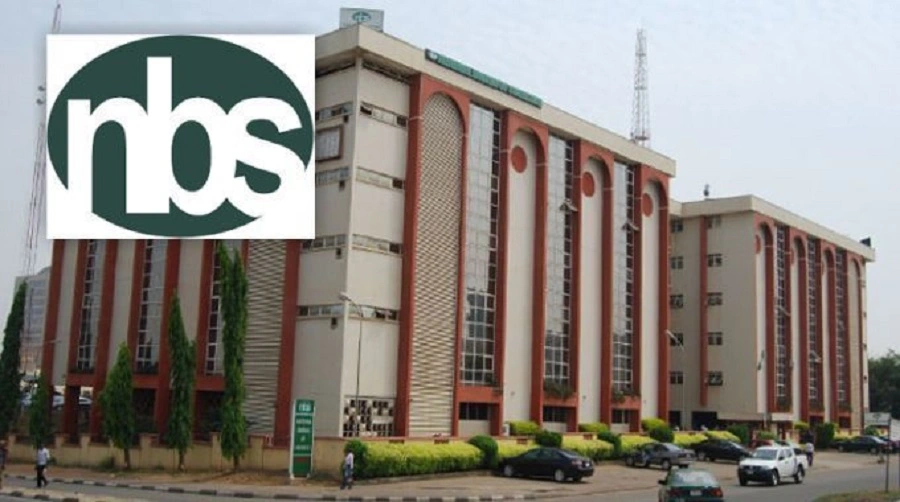
Trust Nigerians to always make headlines for the wrong reasons. The latest bombshell from the National Bureau of Statistics (NBS) that Nigerians paid a mind-boggling N2.23 trillion in ransom to kidnappers within just one year should send shivers down our spines.
But wait a minute. Is anyone really surprised? I’m not. If anything, I think this figure is just the tip of the iceberg. Let me tell you why.
First, these are just the reported cases. In a country where people have as much faith in the police as they do in their village witch doctor, countless kidnapping cases go unreported. Who can blame them?
We’ve heard too many horror stories of police officers acting as informants to kidnappers. It’s like reporting a theft to the thief’s brother.
The statistics paint a grim picture – 65 percent of kidnapped households paid ransom averaging N2.67 million each.
But let’s put this in perspective: N2.23 trillion is more than some states’ annual budgets combined.
While our politicians are busy debating the colour of the next parliamentary building, Nigerians are literally selling their lives back from criminals.
Here’s what I find particularly disturbing: the North West recorded the highest crime incidents at 14.4 million. Yet, this is the same region with multiple military operations ongoing. Someone needs to explain this paradox to me. How can a region under heavy military presence lead the pack in crime statistics? It either means our military operations are mere window dressing, or something more sinister is at play.
The NBS report shows that only 36.3 percent of households reported home robberies to the police. Again, not surprising. When you call the police during an emergency, they either arrive three hours late or ask you to “mobilise” them with transport fare. It’s like ordering a pizza that arrives the next day, cold and half-eaten. The remaining 63.7 percent who don’t report probably know better than to waste their time.
Let’s talk about the response time to emergencies. The report says 33.1 percent of respondents got responses within 30 minutes. Who are they trying to kid? In which Nigeria is this happening? Certainly not the one I live in. Maybe they surveyed houses next to police stations, or perhaps there’s a premium Nigeria I’m not aware of where the police actually show up when called.
Four out of 10 households had interactions with security forces, yet satisfaction with police response remains pathetically low. When dealing with livestock theft, satisfaction drops to 42.9 percent. Apparently, our cows get better police attention than our kidnapped citizens. Tell me if this makes any sense.
The rural areas have it worse. With limited police presence, they’ve turned to vigilance groups. It’s 2024, and we’re essentially returning to the medieval system of community watch. How did we get here? How did Africa’s largest economy and self-proclaimed giant become a country where citizens must organise their own security?
What’s even more concerning is the sexual offence statistics. 1.4 million individuals experienced sexual offences, with only 22.7 percent reporting to the police. Think about that for a moment. This means over a million sexual assault cases went unreported. This is not just a security failure; it’s a societal catastrophe. And worse still, most of these crimes occurred in homes – places where people should feel safest.
The most laughable part? The NBS believes these findings will provide “essential insights” for security agencies and policymakers. Really? As if we need more statistics to tell us what every Nigerian already knows – our security architecture is as effective as a chocolate teapot. We don’t need more insights; we need action.
Let’s be honest: this is not just about numbers. Behind every ransom paid is a family pushed into poverty, a dream shattered, a life forever changed. While our security agencies are busy setting up roadblocks to collect N50 from commercial drivers, kidnappers are running a parallel economy worth trillions. This is no longer just a security crisis; it’s an economic emergency.
The data shows that 9.6 percent of Nigerians believe they could become victims of crime within the next 12 months. That percentage rises to 13 percent in rural areas.
But let’s be real – in a country where kidnapping has become as common as a traffic jam, these figures seem oddly optimistic. Perhaps fear has become so normalised that we no longer recognise it as fear.
The solution? We need more than just police reforms. We need a complete overhaul of our security architecture. State police is no longer a luxury – it’s a necessity. We need better intelligence gathering, modern equipment, and most importantly, a security force that people can trust. The current system where citizens trust local vigilantes more than the police is simply unsustainable.
Until then, these statistics will remain what they are – just numbers on paper while Nigerians continue to pay ransoms with both their money and their lives. The question isn’t whether things will get worse; it’s whether we’ll have any money left to pay the ransoms when they do.
The N2.23 trillion paid in ransom could have transformed our healthcare system, improved our schools, or fixed our roads. Instead, it’s lining the pockets of criminals while our security agencies appear helpless or, worse, complicit. If this doesn’t wake up our leaders to the urgent need for decisive action, I don’t know what will.
We’ve got the edge. Get real-time reports, breaking scoops, and exclusive angles delivered straight to your phone. Don’t settle for stale news. Join LEADERSHIP NEWS on WhatsApp for 24/7 updates →
Join Our WhatsApp Channel