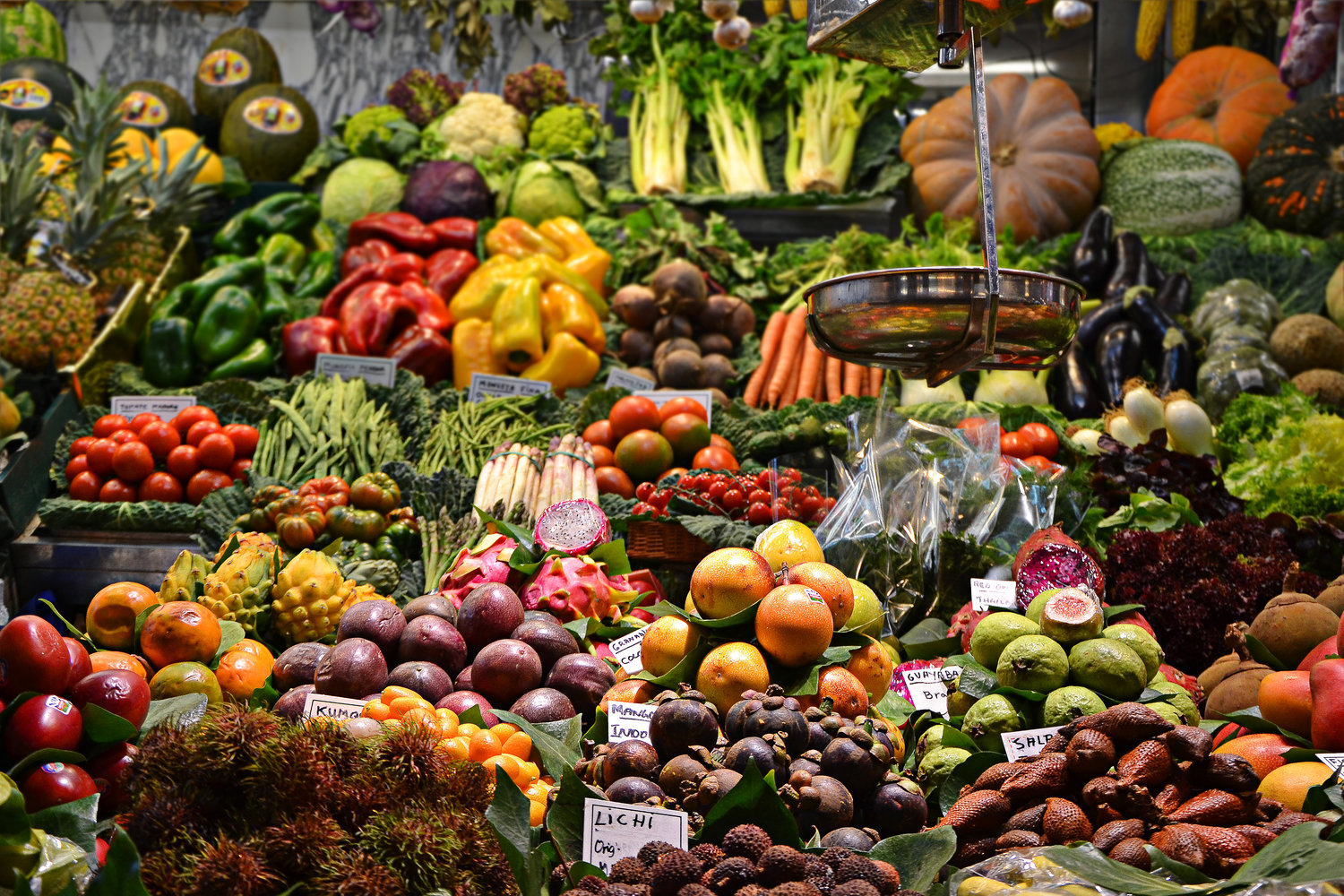
There is consistent controversy over the safety of Genetically Modified Organic (GMO) foods in the country. Experts worldwide are divided over the use of GMO foods, especially in developing countries. While some say GMO foods harm human health, others note they are healthy and enhance agricultural productivity and food security.
The debate surrounding the safety of GMO foods has been ongoing for several years now, with the accompanying anxiety regarding their safety for human consumption. While some argue that GMO foods are safe for human consumption, others remain skeptical of the long-term effects of consuming such foods. In Nigeria, GMOs have become a particularly contentious issue, with many Nigerians expressing concern over their safety.
GMOs are organisms whose DNA has been altered in a way that does not occur naturally by mating and/or natural recombination. The technology is often called modern biotechnology or gene technology, sometimes also called recombinant DNA technology or genetic engineering. It allows selected individual genes to be transferred from one organism into another and between nonrelated species. Foods produced from or using GM organisms are often called GMO foods.
According to the World Health Organisation (WHO), GMO foods currently available on the international market have passed safety assessments and are not likely to present risks to human health. It argues that no effects on human health have been shown due to the consumption of such foods by the general population in the countries where they have been approved.
We are told that GMO bananas produce human vaccines against infectious diseases such as hepatitis B, fish mature more quickly, fruit and nut trees yield years earlier, and plants produce new plastics with unique properties. Technologies for genetically modified foods offer dramatic promise for meeting some of the 21st-century’s most significant challenges.
Like all new technologies, GMO foods and crops pose some known and unknown risks. Controversies and public concerns surrounding GM foods and crops commonly focus on human and environmental safety, labelling and consumer choice, intellectual property rights, ethics, food security, poverty reduction, and environmental conservation.
One of the main concerns surrounding GMOs is the potential for unintended consequences. Genetic modification involves the insertion of foreign genes into the DNA of an organism, which can sometimes have unexpected effects. While these effects may not be apparent in the short term, they could have long-term consequences that are not yet fully understood.
Another concern is the potential for allergenicity. Inserting foreign genes into a food can sometimes produce new proteins, which could trigger allergic reactions in some individuals. This is particularly disturbing in a country like Nigeria, where many people already suffer from food allergies.
Despite these concerns, some argue that GMOs are safe for human consumption. They point out that GMOs have been extensively tested and approved by regulatory agencies in many countries worldwide. They also argue that GMOs have the potential to increase crop yields and reduce the use of pesticides, which could have positive environmental and economic benefits.
Experts also believe that GMOs are safe for consumption, noting that they are genetically modified to boost food security and enhance farmers’ profits.
While these arguments are compelling, we believe that caution is still warranted. The long-term effects of consuming GMOs are not yet fully understood, and it is essential to ensure that these foods are safe before they are widely adopted. Therefore, we call on the federal government to conduct thorough research into the safety of GMOs and take steps to ensure that the public is fully informed about these foods’ potential risks and benefits.
As a media house, we believe it is essential to approach this issue cautiously. While it is true that GMOs have the potential to address some of the challenges of food insecurity in Nigeria, it is equally essential to ensure that these foods are safe for human consumption.
We make this point because there are arguments that this hype on GMOs by developed countries could be part of a campaign to check the population growth in developing countries, including Nigeria. It is pertinent to remember this fact, especially as these developed countries give their citizens options such as “organic” or “inorganic”. In Nigeria, the citizens are not given room to choose.
We are aware that the Nigerian government has affirmed the safety of genetically modified organisms (GMOs), including the recently endorsed TELA corn, for both planting and consumption. Notwithstanding, we demand that they do more research and regulations.
This investigation must be thorough and unbiased. To ensure this, the National Assembly should engage independent researchers to avoid GMO promoters contaminating the process. This investigation should consider Nigeria’s agricultural landscape, investigate the underlying causes of hunger/food insecurity, and establish definite measures to address those issues. This is the time to rescue Nigerians from being used for risky experiments.
We’ve got the edge. Get real-time reports, breaking scoops, and exclusive angles delivered straight to your phone. Don’t settle for stale news. Join LEADERSHIP NEWS on WhatsApp for 24/7 updates →
Join Our WhatsApp Channel