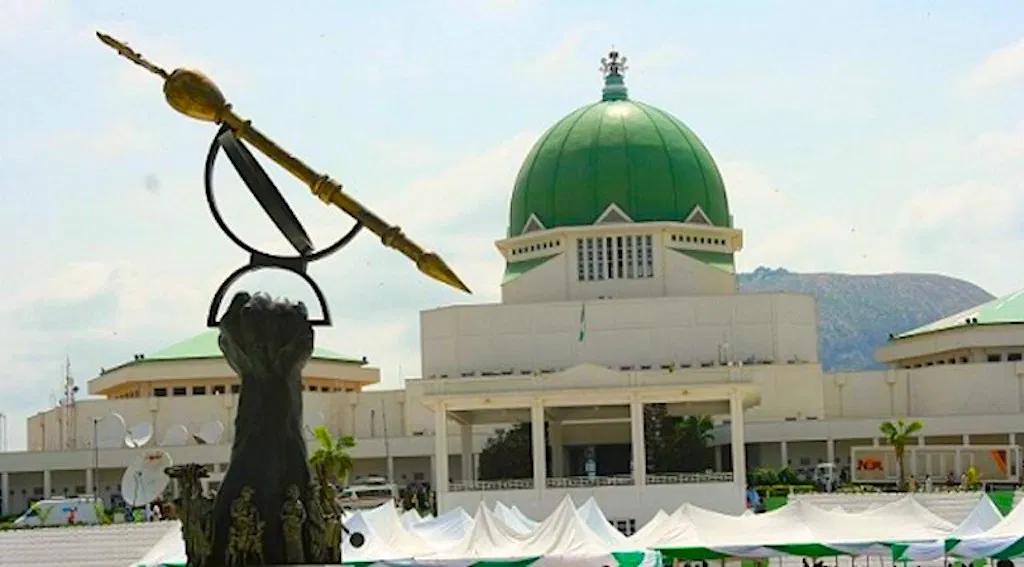
The House of Representatives Committee on the review of the 1999 Constitution has received 46 requests for the creation of new states across the federation.
The North Central leads with 12 requests for new states, followed by the Southwest with eight, while the North West and South-South have seven each. Presently while other geopolitical zones boast six or seven states, the Southeast remains disadvantaged with only five states.
The constitutional pathway for state creation is clearly defined in Section 8 of the 1999 Constitution. The process involves popular support, legislative approval, and adherence to constitutional principles through a multi-stage process of popular requests, legislative voting, and referendums. The requirement for a two-thirds majority at various levels – from the National Assembly to state assemblies and local government councils – ensures that new states are created only with overwhelming consensus.
Yet it is the Southeast’s deficit that represents the most glaring injustice in Nigeria’s federal structure – a reality that has fueled feelings of marginalization and exclusion among the Igbo-speaking population.
The numerical disadvantage faced by the Southeast has far-reaching implications beyond mere representation. It affects voting strength in the National Assembly, resource distribution through federal allocation formulas, and appointments to key federal positions.
When federal character principles are applied, the Southeast’s five states are systematically underrepresented compared to other zones. This imbalance permeates everything from ministerial appointments to recruitment in the police and army, creating a cycle of perceived marginalisation that undermines national unity.
There have been calls for an additional state in the south east with calls for the creation of Anim or anioma state.Recently 85 Senators already endorsed the creation of Anioma state and traditional rulers from the Southeast throwing their weight behind it, the momentum for addressing a longstanding structural imbalance in Nigeria’s federal arrangement has never been stronger.
The endorsement by the Ndigbo Progressive Traditional Rulers Forum adds significant moral authority to this campaign.
Nigeria’s history of state creation reveals an interesting pattern. Since General Yakubu Gowon created twelve states in 1967, subsequent military administrations acted decisively to address challenges of nation-building. Murtala Mohammed created seven states in 1976, Ibrahim Babangida added eleven states in two phases (1987 and 1991), and Sani Abacha created six more in 1996. However, since the return to democracy in 1999, no new states have been created, despite numerous requests and constitutional provisions.
Senator Ned Nwoko’s passionate advocacy for Anioma State, captured in his letter to the Senate President and all Distinguished Senators, cuts to the heart of this national wound. “Let us be remembered as the Senate that brought balance to Nigeria’s state structure and healed a longstanding national wound,” he appealed to his colleagues. This is not merely about redrawing boundaries or political convenience – it is fundamentally about equity, fair representation, and justice.
This democratic paralysis on state creation reflects what Senator Ned Nwoko identifies as a lack of political will to break the impasse.
The ongoing process by the 10th National Assembly presents an opportunity to break this cycle and demonstrate true leadership.
The implications of continued marginalisation extend beyond politics. When an ethnic nationality feels suffocated within a country, it unleashes socio-economic instability, political instability, erosion of national unity and trust, brain drain, and in extreme cases, conflict.
In the 21st century, nations determined to make progress are taking deliberate steps to build inclusive societies.
The upcoming public hearings by the Senate Committee on Review of the 1999 Constitution, scheduled for July 4-5 across the six geopolitical zones, provide a crucial platform for citizens to voice their views on this and other vital issues. Headed by Deputy Senate President Barau Jibrin, these hearings will focus on judicial reforms, local government autonomy, and crucially, the creation of states.
Critics may argue that creating more states increases the cost of governance. However, the cost of continued marginalisation – measured in terms of national disunity, conflict, and the massive brain drain affecting the Southeast – far exceeds any administrative expenses.
Moreover, the constitutional framework ensures that only viable propositions with overwhelming popular support can succeed.
As Senator Nwoko eloquently stated, this is about bringing balance to Nigeria’s state structure and healing a national wound that has festered for too long.
The 10th National Assembly has the opportunity to be remembered as the legislature that chose justice over political expediency, unity over division, and progress over stagnation.
Nigeria’s greatness lies not in maintaining unjust structures but in having the courage to correct historical imbalances.
We’ve got the edge. Get real-time reports, breaking scoops, and exclusive angles delivered straight to your phone. Don’t settle for stale news. Join LEADERSHIP NEWS on WhatsApp for 24/7 updates →
Join Our WhatsApp Channel