The United States has committed nearly $2billion in grant funding to support Nigeria’s health sector over a five-year period, spanning 2026 to 2030.
This was disclosed in a statement released by the Federal Ministry of Information and National Orientation on Friday.
The funding pledge formed part of a broader Memorandum of Understanding (MoU) recently executed between the governments of Nigeria and the United States, aimed at strengthening healthcare delivery and health security across the country.
Alongside the US commitment, the Nigerian government has pledged to raise $3billion in domestic resources for the health sector within the same timeframe.
According to the statement, both funding streams were targeted at expanding access to quality primary healthcare services nationwide, while also enhancing Nigeria’s ability to prevent, detect, and respond to public health threats.
Under the agreement, the United States government is expected to disburse nearly $2billion in grants between April 2026 and December 2030 to support Nigeria’s health priorities.
At the same time, Nigeria has committed to dedicating at least six per cent of executed annual federal and state budgets to health. This measure was projected to generate approximately $3billion in domestic health financing, a commitment already reflected in the country’s proposed 2026 budget, the statement noted.
“Over a five-year period from April 2026 to December 2030, the United States government is expected to provide nearly US$2 billion in grant funding to support Nigeria’s health priorities.
“In parallel, Nigeria has committed to allocating at least six percent of executed annual Federal and State budgets to health, a commitment projected to mobilise nearly US$3 billion in domestic health financing over the same period,” the statement said.
The ministry said the partnership underscored Nigeria’s resolve to build a resilient and sustainable health system, gradually reduce reliance on foreign aid, and ensure long-term investment in healthcare delivery.
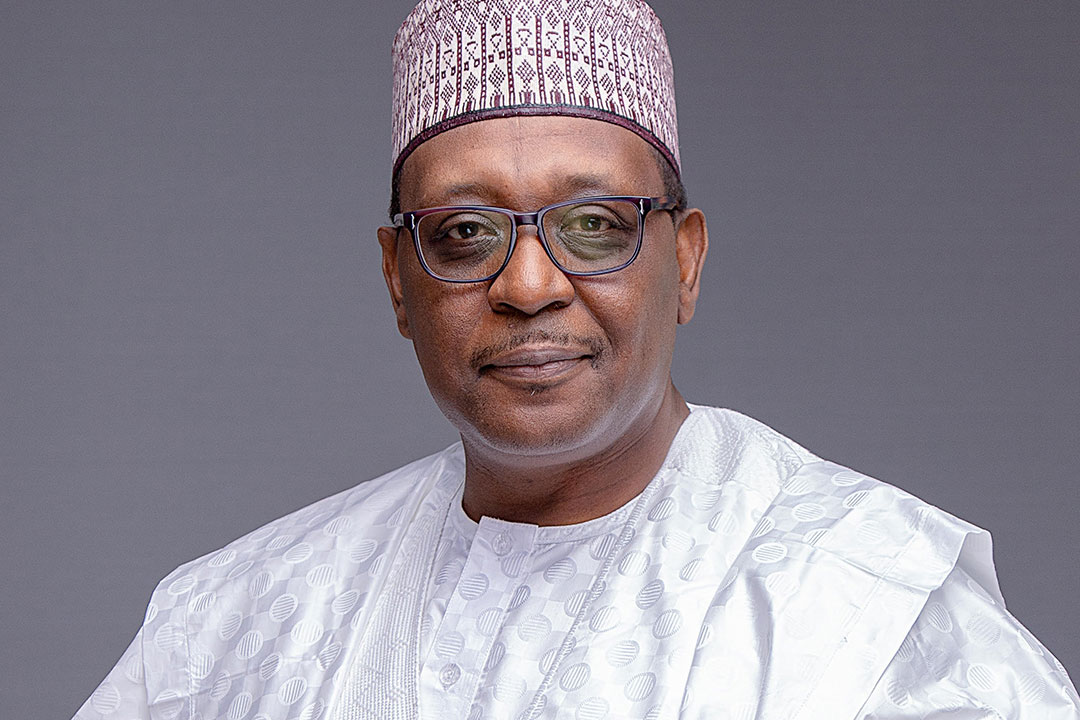
The coordinating minister of health and social welfare, Prof. Muhammad Ali Pate, described the MoU as a significant milestone in protecting the health of Nigerians while strengthening national resilience.
Beyond financial commitments, the MoU also provides a framework for cooperation in the early detection, prevention, and control of infectious diseases, including HIV/AIDS and tuberculosis.
It further outlines efforts to improve disease surveillance, outbreak preparedness and response, laboratory infrastructure, and biosafety protocols for the collection, transportation, testing, storage, and disposal of pathogen samples.
In addition, the agreement included enhanced support for frontline healthcare workers, improvements to health data systems, and better access to essential health commodities.