Nigeria will formally return to the FTSE Russell Frontier Market classification tomorrow, September 21, 2026, ending a three-year absence from one of the world’s most tracked equity benchmarks for emerging and frontier economies.
The reclassification from ‘Unclassified’ to ‘Frontier Market’ will take effect on September 21, 2026.
Nigeria had exited the FTSE Russell Frontier universe in September 2023 after the index provider downgraded it to ‘Unclassified’ status. The decision at the time was driven by persistent concerns around foreign-exchange liquidity, difficulties in repatriating capital, settlement challenges and broader market accessibility for international investors.
FTSE Russell said in its September 2023 notice that it had observed a significant deterioration in Nigeria’s foreign exchange market, with international institutional investors reporting prolonged delays in accessing foreign currency to repatriate proceeds.
That reclassification automatically removed Nigerian stocks from FTSE Russell’s Frontier and related indices, reducing visibility among global funds that track the benchmarks.
The return comes after sustained reforms and engagement between Nigerian market authorities and FTSE Russell over the past two years. Key measures cited include foreign-exchange market reforms, improvement in FX liquidity, restoration of the willing buyer, willing seller framework, and the recent migration to a T+1 settlement cycle on June 1, 2026.
FTSE Russell initially flagged the T+1 move as a potential risk, noting that a shorter settlement cycle could create a de facto pre-funding requirement for international investors and exacerbate FX challenges. It therefore placed Nigeria’s planned reclassification under further review.
However, following engagements with the Central Bank of Nigeria (CBN), the Securities and Exchange Commission (SEC), the Nigerian Exchange Group and other market stakeholders, as well as deliberations by its Equity Country Classification Advisory Committee, FTSE Russell confirmed that no material settlement or funding issues were observed during the T+1 transition.
The NGX Group described the re-entry as a vote of confidence in ongoing market reforms and an important step towards restoring Nigeria’s attractiveness to foreign portfolio investors.
Speaking on this development, Group managing director and chief executive officer of NGX Group, Temi Popoola noted, “Nigeria’s restoration to FTSE Russell’s Frontier Market status is an important recognition of the progress made in our capital market and the strengthening of the infrastructure that supports it.
“Reeclassification, however, is not the destination, it is a gateway. It opens the door to greater international attention on Nigeria and the chance to translate that visibility into meaningful, long-term investment.”
He added that “the timing is particularly significant. We are seeing renewed interest from major Nigerian businesses in the capital market as a route to mobilise capital and broaden ownership. Our responsibility is to ensure that the market has the efficiency, accessibility and depth investors need to participate with confidence.”
Popoola pointed out that the next chapter is about turning renewed global interest into greater capital formation, broader participation and a market that can play an even more significant role in financing Nigeria’s growth.
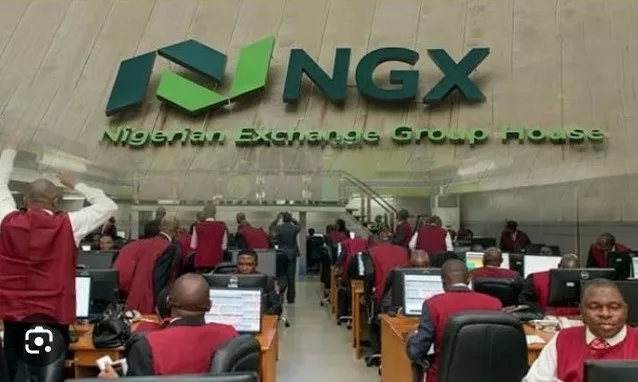
Market operators expected the development to improve liquidity on the NGX, enhance price discovery and increase institutional participation, particularly from passive funds and ETFs that track FTSE Frontier indices.
The reclassification has seen several large-cap Nigerian companies re-incorporated into FTSE Frontier Index Series, positioning them for greater international investor attention.
We’ve got the edge. Get real-time reports, breaking scoops, and exclusive angles delivered straight to your phone. Don’t settle for stale news. Join LEADERSHIP NEWS on WhatsApp for 24/7 updates →
Join Our WhatsApp Channel