Nigeria stands to lose a lucrative opportunity in geotourism and economic diversification, a leading Cameroonian geoscientist has warned, blaming years of neglect, weak policies, and unchecked exploitation of the country’s rich geological assets.
While delivering a keynote lecture in Abuja titled “Geodiversity: The Foundation of Our Heritage,” Prof. Felix Toteu, urged policymakers to prioritise geoparks, conservation, and mapping to unlock tourism revenue and jobs, especially as the nation seeks alternatives to oil dominance.
The event, organised by the Nigerian Association of Petroleum Explorationists (NAPE), Nigeria Mining and Geosciences Society (NMGS), and Petroleum Technology Development Fund (PTDF), marked the 80th birthday of Prof. Omar Rahaman, a pioneer in Nigeria’s Precambrian geology.
Toteu highlighted Nigeria’s vast but underprotected geodiversity—rock formations, fossils, minerals, and ancient landforms dating back billions of years—as a foundation for biodiversity and development.
Yet, the country lags on UNESCO’s World Heritage list, with minimal geological sites recognised due to inadequate protection and no dedicated global framework.
He also urged authorities to leverage geotourism as a tool for economic diversification, especially as Nigeria seeks alternatives to oil revenue.
“Nigeria has the potential to become a major destination for geotourism in Africa, but that requires deliberate policy and protection.”
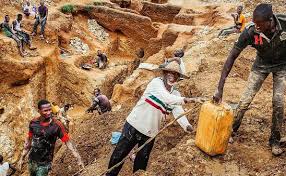
“Unchecked mining, deforestation, and poor land-use are eroding our geological history, robbing us of geotourism potential and future economic gains,” Toteu said.
He called for legal reforms, geopark designations, and investment in documentation to position Nigeria as Africa’s geotourism hub.
This push aligns with national diversification goals, as geological sites could drive revenue through eco-tourism, education, and research, much like successful models in other African nations.
Toteu commended Rahaman’s foundational geological mapping work, crediting it with enabling better resource understanding and calling for support to young scientists to build on this legacy.
Also speaking, the PTDF executive secretary Prof. Shuaibu Aliyu, hailed Rahaman as a cornerstone of the agency’s human capital drive in energy.
He noted that Rahaman was a pivotal architect of Nigeria’s human capital development in the energy sector, whose foundational role shaped some of the Fund’s most impactful programmes and his legacy continues to power the nation’s oil, gas, and broader energy industries.
Aliyu, who was represented by the deputy general manager, Audit Division, Steve Agboyinu, said Rahaman was among the architects of the PTDF Overseas Scholarship Scheme, describing it as a flagship initiative that has produced generations of highly skilled professionals serving Nigeria’s energy sector.
“Professor Rahaman’s contributions to academia and national development stand as a powerful testament to the transformative role of education. Over the decades, he has shaped minds, influenced institutions, and contributed meaningfully to the development of Nigeria’s energy sector.”
At the Obafemi Awolowo University, he facilitated PTDF-backed master’s programmes in Petroleum Geosciences, Geophysics, Geochemistry, Mineral Exploration, and Groundwater/Environmental Geosciences—efforts that bolstered local expertise and industry partnerships.
“Rahaman’s legacy powers Nigeria’s oil, gas, and energy sectors through credible, merit-driven talent development,” Aliyu said, emphasising sustained impact over age.
The gathering of academics, industry leaders, and officials underscored Rahaman’s enduring influence on education, infrastructure, and national growth.
We’ve got the edge. Get real-time reports, breaking scoops, and exclusive angles delivered straight to your phone. Don’t settle for stale news. Join LEADERSHIP NEWS on WhatsApp for 24/7 updates →
Join Our WhatsApp Channel