

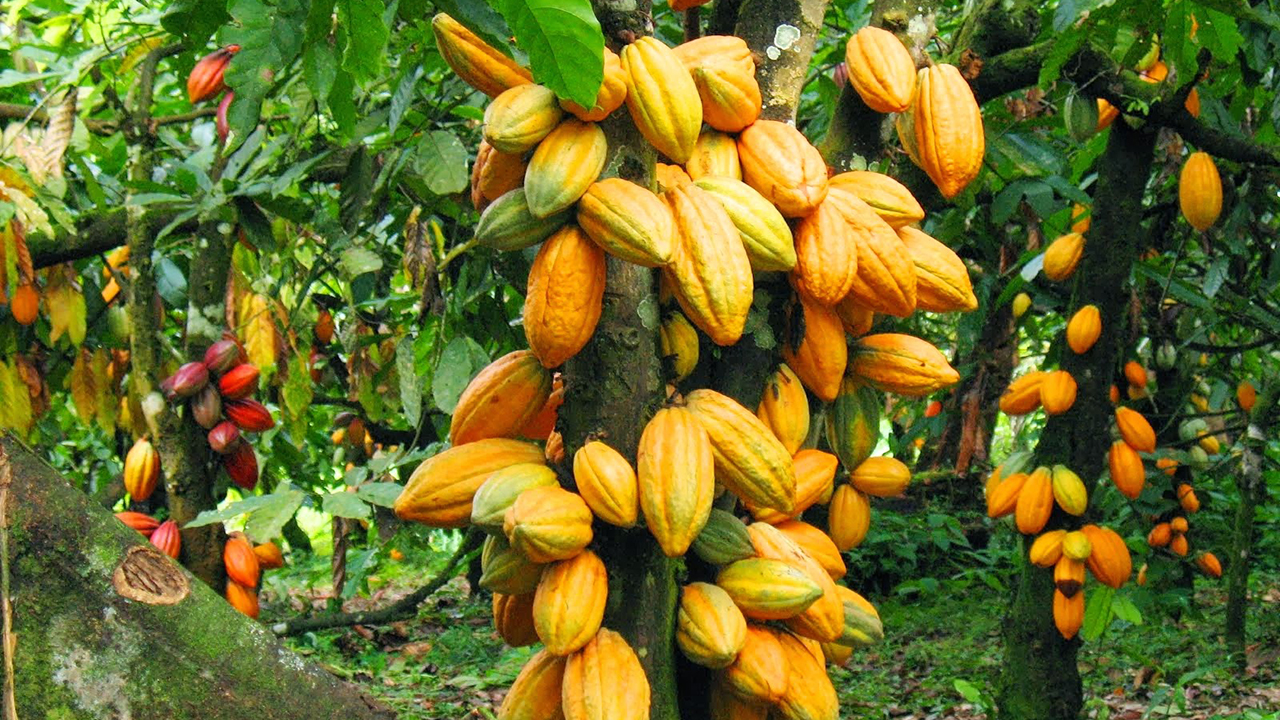
Nigeria has stepped up efforts to reclaim its place among the world’s leading cocoa producers, positioning the crop as a driver of jobs, export earnings, and long-term economic growth.
The Minister of Agriculture and Food Security, Abubakar Kyari, disclosed this in London at the International Cocoa and Chocolate Forum (ICCF 2026), where he outlined a strategy focused on trade expansion, climate compliance, and value chain development.
The forum, themed “Reclaiming Value, Shaping Rules: Nigeria’s Vision for Cocoa Sovereignty,” brought together policymakers, investors, and industry stakeholders from across the globe.
Kyari said Nigeria’s ambition is anchored in its natural endowments, including fertile soils, favourable agro-ecological zones, and a long-standing cocoa-farming tradition. He noted that the Tinubu administration views cocoa as a strategic commodity capable of supporting food security, stimulating rural economies, and deepening non-oil exports.
From a business perspective, the minister noted that the government is leveraging the African Continental Free Trade Area (AfCFTA) to strengthen market access and improve competitiveness.
According to a statement issued by the ministry’s Head of Information Department, Ezeaja Ikemefuna, Kyari said Nigeria has gazetted its Provisional Schedule of Tariff Concessions and is advancing AfCFTA implementation, which is projected to boost intra-African trade by 53.3 per cent by 2026.
He added that Nigeria is also engaging with global trade partners, including the European Union and the Comprehensive and Progressive Agreement for Trans-Pacific Partnership (CPTPP), to protect trade sovereignty and expand export opportunities.
A key pillar of the strategy is sustainability compliance, particularly with the European Union Deforestation Regulation (EUDR), which has become a critical market requirement for cocoa exporters.
Kyari said Nigeria has enacted the Climate Change Act, established a National Task Force on EUDR Compliance, and developed a National Cocoa Development Plan to modernise production and strengthen the value chain.
He explained that the government intends to turn EUDR compliance into a competitive advantage through public-private partnerships, geospatial mapping, and innovative financing solutions. According to him, these measures will improve traceability, support carbon-smart cocoa production, and attract responsible foreign investment.
He said, “Nigeria is committed to reclaiming its rightful position among the world’s top cocoa-producing countries through sustainable practices, value chain development, and expanded trade.’’
“Our focus is on responsible investment, increased productivity, and deeper economic activity that creates jobs and strengthens food security.
“By complying with global climate and deforestation standards, we intend to turn sustainability into a competitive advantage for Nigerian cocoa.
“Platforms like this forum are essential for building partnerships that can drive inclusive growth and economic transformation across Africa.”
The minister also highlighted youth inclusion and climate resilience as central to the plan, noting that Nigeria is implementing climate-smart agriculture, improving access to finance, and strengthening market linkages to enhance farmers’ livelihoods.
He described ICCF 2026 as a critical platform for partnership and dialogue, commending the forum’s conveners for promoting cultural Exchange and economic collaboration across Africa.
The event featured the presentation of a Special Award for Transforming Nigeria’s Cocoa Industry to Kyari in recognition of the government’s reform agenda.
We’ve got the edge. Get real-time reports, breaking scoops, and exclusive angles delivered straight to your phone. Don’t settle for stale news. Join LEADERSHIP NEWS on WhatsApp for 24/7 updates →
Join Our WhatsApp Channel


