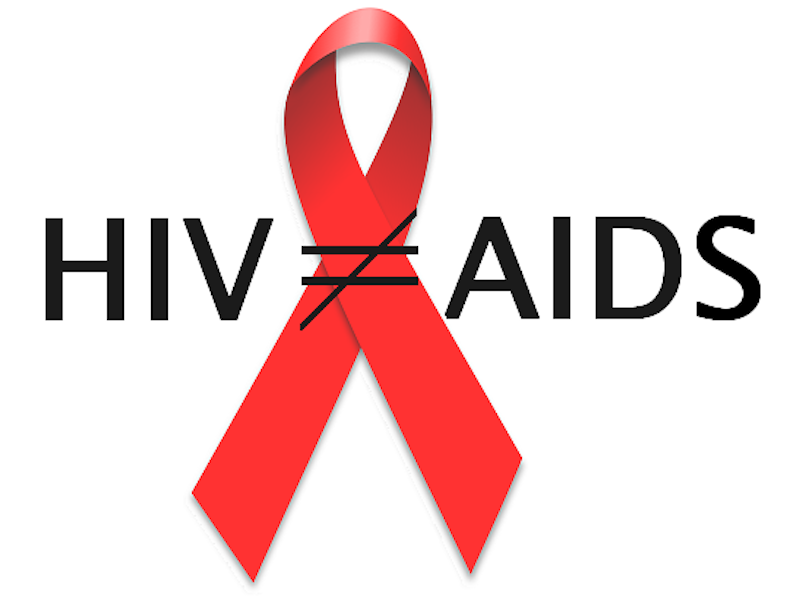
Observed since 1988, the World AIDS Day , commemorated every December 1st provides an opportunity for people worldwide to unite in the fight against Human immunodeficiency-Virus (HIV) and demonstrate solidarity.
It is an annual international event dedicated to raising awareness about the HIV/AIDS pandemic, remembering those who have died, and celebrating progress in prevention and treatment.
HIV was first identified in 1983 and has since claimed a staggering 40.4 million lives worldwide as of 2022.
We recognise that substantial progress has been made over the years in tackling this pandemic which defied treatment more than two decades after discovery.
Launching its 2025 World AIDS Day report on the theme , “Overcoming Disruption, Transforming the AIDS Response,” the Joint United Nations Programme on HIV/AIDS (UNAIDS) said international assistance has sharply declined, with Organisation for Economic Co-operation and Development (OECD) projections showing external health funding could fall by 30–40 per cent in 2025 compared with 2023.
The Organisation for Economic Co-operation and Development ( OECD) is an intergovernmental organization with 38 member countries that promotes policy standards to stimulate economic progress and world trade.
According to UNAIDS, 40.8 million people are living with HIV worldwide, 1.3 million new infections occurred in 2024, and 9.2 million people are still not accessing treatment.
The Executive Director of UNAIDS, Winnie Byanyima, said at the end of 2024, just before a sudden collapse in funding triggered a crisis in the global AIDS response, the remarkable efforts of communities and governments had brought down the numbers of new HIV infections by 40 per cent and of AIDS-related deaths by 56 per cent since 2010.
But, sadly, it also showed that huge gaps in HIV prevention remained, with 1.3 million new infections in 2024—almost unchanged from the year before.
On the other hand, Nigeria has a national HIV prevalence rate around 1.4 per cent to 2.1 per cent among adults aged 15-49, with an estimated 1.8 to 2 million people living with HIV.
The country has a generalized epidemic with significant regional variations, and while progress has been made, there are still many new infections, with approximately 40 per cent of new infections in Nigeria occurring among adolescents and young adults.
Over the past few years, the global community, including Nigeria has faced unprecedented disruptions: a global pandemic, economic uncertainty, fluctuating donor support, and shifts in the global health financing landscape.
This newspaper recognises that the United States government through the President’s Emergency Plan for AIDS Relief (PEPFAR) has immensely supported Nigeria’s HIV/AIDS response over the years, particularly in sustaining the treatment of people living with HIV in Nigeria.
We recall that in January this year, there was an executive order by the President Donald Trump Administration to reevaluate and realign United States’ foreign aid which included a 90-day pause on foreign development assistance, raising concerns with regards to HIV/AIDS and TB technical support and funding.
However, on January 28, 2025, the administration issued a waiver for lifesaving medicines and medical services, offering a reprieve for a worldwide HIV treatment programme, which allows for the continuous distribution of HIV medications (ARVs) and medical services supported by PEPFAR in Nigeria.
Besides, when global funding uncertainties threatened to disrupt essential services, the federal government injected $200 million to ensure uninterrupted delivery of HIV prevention, testing, and treatment services as well as allied infections.
In addition to that, the National Agency for the Control of AIDS (NACA), said domestic resource mobilization efforts are deepening, with several states increasing budget allocations and strengthening HIV Trust Funds to enhance sustainability and national ownership.
According to data from NACA, in 2024 alone, 204,201 individuals from key populations were actively receiving antiretroviral therapy, with strong viral suppression rates among those retained in care.
In her speech to commemorate the day, the director general, NACA, Dr Temitope Ilori, said this year’s theme is not just a slogan, but a strategic priority, and a declaration of resilience.
Highlighting the progress in the National response, she said over the past year, Nigeria has continued to record important achievements in its HIV response.
It has maintained an impressive 87–98–95 performance toward the global 95–95–95 targets, demonstrating significant progress in diagnosis, treatment coverage, and viral suppression across the country.
According to the NACA director general, 87 per cent of people living with HIV in Nigeria know their status, 98 per cent of those who know their status are on life-saving treatment and 95 per cent of those on treatment have achieved viral suppression—meaning they cannot transmit HIV.
However, we are worried that despite these gains, significant challenges including stigma and discrimination and Nigeria’s paediatric HIV burden persist.
Sadly, Nigeria still contributes a disproportionate share of global paediatric HIV infections, underscoring the need to accelerate progress in Prevention of Mother To Child Transmission ( PMTCT) of HIV.
Furthermore, hard-to-reach and insecure areas remain underserved, and economic pressures continue to affect service continuity and supply chains.
UNAIDS said failure to reach the 2030 global HIV targets of the next Global AIDS Strategy could result in an additional 3.3 million new HIV infections between 2025 and 2030.
But despite the challenges, UNAIDS said innovation is gaining momentum in the global fight against HIV/ AIDS.
According to the global HIV/AIDS body, prevention technologies offers a transformative opportunity to tackle HIV with lenacapavir, a new long-acting medicine that can prevent HIV infection with twice-a-year injections.
In our opinion, this innovation has the potential to prevent tens of thousands of new infections in high-burden settings, like Nigeria.
In the view of Byanyima, “we could be on the verge of an HIV prevention revolution that reduces new infections towards epidemic control—if the world comes together again to overcome monopolies, drive down prices, and ensure everyone who could benefit has access to these new, highly effective prevention tools.”
New partnerships announced in 2025 by the Gates Foundation, UNITAID, the Global Fund to Fight AIDS, TB and Malaria, and the US President’s Emergency Plan for AIDS Relief have launched initiatives to ensure widespread access to affordable generic formulations of life-saving medicines, for as little as USD 40 per person per year in some cases.
We’ve got the edge. Get real-time reports, breaking scoops, and exclusive angles delivered straight to your phone. Don’t settle for stale news. Join LEADERSHIP NEWS on WhatsApp for 24/7 updates →
Join Our WhatsApp Channel