The Nigerian Midstream and Downstream Petroleum Regulatory Authority (NMDPRA) has published draft rules that would bar petroleum companies from coordinating prices, sharing markets or otherwise acting in ways that weaken competition across the midstream and downstream fuel sector.
In a public notice posted on its official X account on Thursday, the Authority invited licensees, permit holders and other stakeholders to comment on the proposed Midstream and Downstream Petroleum Prevention of Anti-Competitive Practices and Behaviour Regulations, 2026. The consultation will run for 21 days, the notice said, in line with Section 216(1) of the Petroleum Industry Act 2021, which requires stakeholder input before rules are finalised.
The Authority’s chief executive, Rabiu A. Umar, said the draft regulations are available on the NMDPRA website and asked interested parties to use the prescribed submission format. “Stakeholders are enjoined to visit the Authority’s website to review the proposed regulations,” the notice said. It added that submissions must be received within 21 days from the date of the notice and that a stakeholders’ consultation forum would take place on September 22 at the Authority’s headquarters in Abuja.
A review of the draft shows the regulations would outlaw a wide range of coordinated conduct that can harm competition. The draft’s Part IV, titled “Collusive Agreements and Anti-Competitive Coordination,” says a licensee, market participant or group of undertakings in the sector must not “enter into any agreement, arrangement, understanding, or concerted practice, whether formal or informal, written or oral, explicit or tacit, that has the object or effect of preventing, restricting, or distorting competition.”
The draft explicitly names price-fixing and coordinated pricing as banned behaviour. It says companies must not agree on, align or coordinate prices or any pricing element, including pump prices, ex-depot prices, margins, discounts, surcharges, freight or pricing formulas and benchmarks.
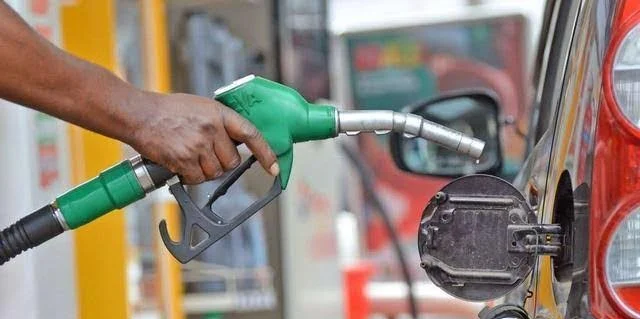
If the rules are approved, petroleum firms would be prohibited from jointly setting pump prices, ex-depot prices or other commercial terms that affect retail fuel prices. The draft also bans market-allocation schemes that divide customers, territories or product lines among competitors, and outlaws bid rigging and collusive tendering during procurement.
The regulations target practices that create artificial shortages as well. The draft forbids competitors from jointly reducing production, imports, throughput or supply to manipulate prices or create scarcity. It also covers tacit collusion — where firms avoid explicit agreements but signal future pricing or strategic moves through public statements, trade groups or other indirect channels.
To limit covert coordination, the draft bars the exchange of commercially sensitive information that could harm competition. Examples listed include future pricing plans, production schedules, customer lists, marketing strategies and bidding intentions.
The NMDPRA said these measures aim to prevent companies from coordinating conduct without written agreements — a concern regulator worldwide increasingly monitor. The draft also seeks to protect smaller operators from restrictive commercial arrangements that limit market access.
The proposed regulations mark another major intervention by the NMDPRA since the Petroleum Industry Act took effect. In recent years the regulator introduced rules on environmental protection, operational safety, decommissioning of facilities and environmental remediation funding as part of efforts to improve governance across Nigeria’s petroleum value chain.
The timing of the proposal follows complaints from independent marketers in July that some major importers were selling Premium Motor Spirit at prices reportedly higher than Dangote Petroleum Refinery’s rates, raising concerns about coordinated pricing in the downstream market.
The NMDPRA has also signalled interest in improving price transparency across the region, saying it is exploring an African petroleum products reference price benchmark to better reflect regional market realities.
If adopted after consultations, the regulations would give the Authority a clear legal framework to investigate and sanction anti-competitive conduct in Nigeria’s midstream and downstream petroleum sectors, reinforcing competition provisions in the Petroleum Industry Act and promoting a more transparent, consumer-oriented fuel market.
We’ve got the edge. Get real-time reports, breaking scoops, and exclusive angles delivered straight to your phone. Don’t settle for stale news. Join LEADERSHIP NEWS on WhatsApp for 24/7 updates →
Join Our WhatsApp Channel