Just about this time last year, the Nigerian Upstream Petroleum Regulatory Commission (NUPRC) announced an ambitious programme to increase Nigeria’s crude oil output by one million barrels per day, over a 12 to 24-month period. When the Commission’s Chief Executive, Engr. Gbenga Komolafe made this proclamation, those acquainted with the country’s oil and gas industry travails viewed it as another aspirational pronouncement aimed at maintaining public relevance, seemingly unattainable.
However, those knowledgeable about Nigeria’s hydrocarbon potential recognised that achieving and even surpassing, that production level primarily required removing cumbrous entry barriers, accelerating production via bid rounds and rigorously enforcing operational regulations, including the “Drill or Drop” policy.
At the time of pronouncement, Nigeria had just concluded its first fully executed licensing round under the Petroleum Industry Act (PIA) 2021, arguably the most successful bid round in 70 years. This milestone preceded the public announcement of the incremental production initiative and formed a strategic pillar to enhance the nation’s revenue profile. The successful execution of the licensing round served as a booster for the one-million-barrel incremental programme already underway. Reinforced by a renewed commitment to enforce the “Drill or Drop” policy, which aimed to revitalise dormant wells, the initiative anticipated reviving idle assets to increase oil flow and pipeline throughput. Complementing this momentum were a series of presidential executive orders that eliminated certain restrictive entry barriers, thereby encouraging broader industry participation.
These bold reforms aimed to attract investment, reduce costs and optimise sector efficiency through streamlined contracting processes, fiscal incentives, promotion of local content compliance, enhanced regulatory clarity and steadfast implementation of the PIA. Also, efforts focused on reviving dormant assets and bolstering security and infrastructure support. Collectively, these measures sought to dismantle significant financial, regulatory and operational hurdles, transforming Nigeria’s oil and gas sector into a more competitive and investor-friendly landscape. This signaled a renewed commitment to increasing production, attracting foreign investment and strengthening the country’s energy security.
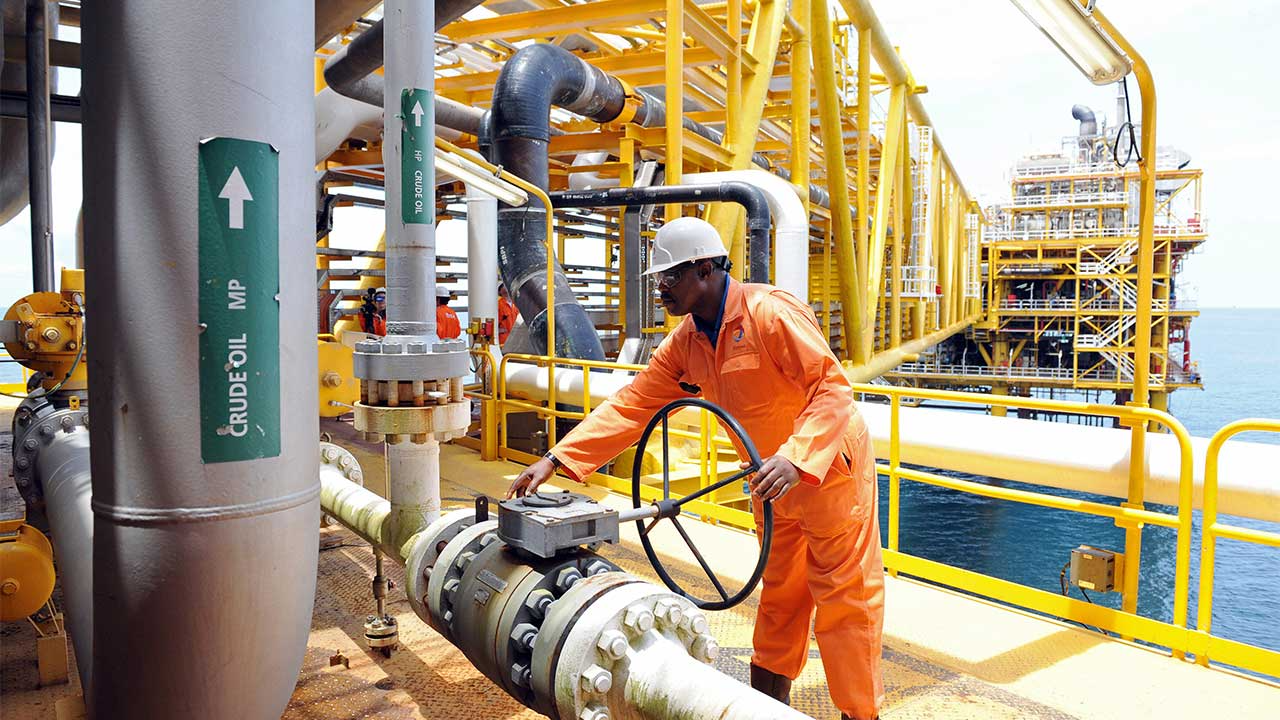
A little over a year since these strategic reforms took effect, visible progress is evident across the petroleum landscape. Production levels are rising, investor participation has increased and operational activities have intensified in offices, fields and wells. More investment contracts have been signed in the offices, about 46 oil rigs are already active in the fields (as at July, 2025, from eight rigs in 2021) and the terminals are recording an average daily flow of about 1.78 million barrels of crude oil. This surge in rig activity underscores the upstream sector’s growing momentum and the government’s dedication to expanding production capacity and investment, a core component of the incremental production plan.
The overarching goal of the one-million-barrel incremental effort is to further enhance Nigeria’s crude oil output from an average of 1.6 million barrels per day in 2024 to approximately 2.6 million barrels per day by 2026. Conceived as a collaborative effort among upstream stakeholders: producers, service companies, rig operators, financiers and crude off-takers, the initiative aims to unlock additional production through reactivating dormant fields, fast-tracking approvals, deploying improved recovery techniques and adopting a cluster and nodal development strategy. This approach reduces costs and mitigates risks by sharing infrastructure, which, coupled with institutional support, has reportedly increased production by roughly 300,000 barrels per day by mid-2025.
A diligent enforcement of the Drill or Drop policy would further complement the project by mandating producers to commence production within stipulated deadlines or risk forfeiture of such licenses. It will prevent asset idling, boost rig activity, maximise resource use and enhance government revenue. Timely field development is capable of revitalising Nigeria’s upstream sector, enabling increased crude oil output and broader economic benefits from petroleum resources.
On Monday, September 1, 2025, the Nigerian government, through NUPRC, marked another milestone in its drive to enhance oil production by formally signing a landmark Production Sharing Contract (PSC) covering Petroleum Prospecting Licences (PPLs) 2000 and 2001. Executed on August 28, the PSC involves NNPC Limited (as Concessionaire) and TotalEnergies EP Nigeria Limited with South Atlantic Petroleum (Deep Offshore) Limited (as Contractors). This is the first deep offshore PSC awarded since the 2024 bid round and the first to comprehensively address both crude oil and natural gas, incorporating innovative gas terms designed to unlock monetisation of non-associated gas.
Structured under the Petroleum Industry Act and the 2022 Licensing Regulations, the PSC introduces a new benchmark in contract design, incorporating 32 clauses and 13 appendices, emphasizing responsible operations, transparency and increased value for the country.
The contract features robust fiscal terms, including a signature bonus of $10 million, production bonuses activated at two production milestones: two million barrels and four million or cash equivalent upon achieving 35 million and 100 million barrels respectively, a crude profit oil split based on cumulative production, gas profit sharing tied to cumulative associated gas sales, a cost oil limit of 70%, applicable royalty rates and clear definitions of recoverable versus non-recoverable costs. It also includes provisions for decommissioning, abandonment and an environmental remediation fund, along with a mandated minimum work programme and performance guarantees.
This PSC signposts the commencement of a deliberate work programme intended to unlock Nigeria’s deep-water geological potential, expand reserves, augment production and enhance national energy security.
James, a Fellow of the Nigerian Guild of Editors, lives in Abuja.
We’ve got the edge. Get real-time reports, breaking scoops, and exclusive angles delivered straight to your phone. Don’t settle for stale news. Join LEADERSHIP NEWS on WhatsApp for 24/7 updates →
Join Our WhatsApp Channel