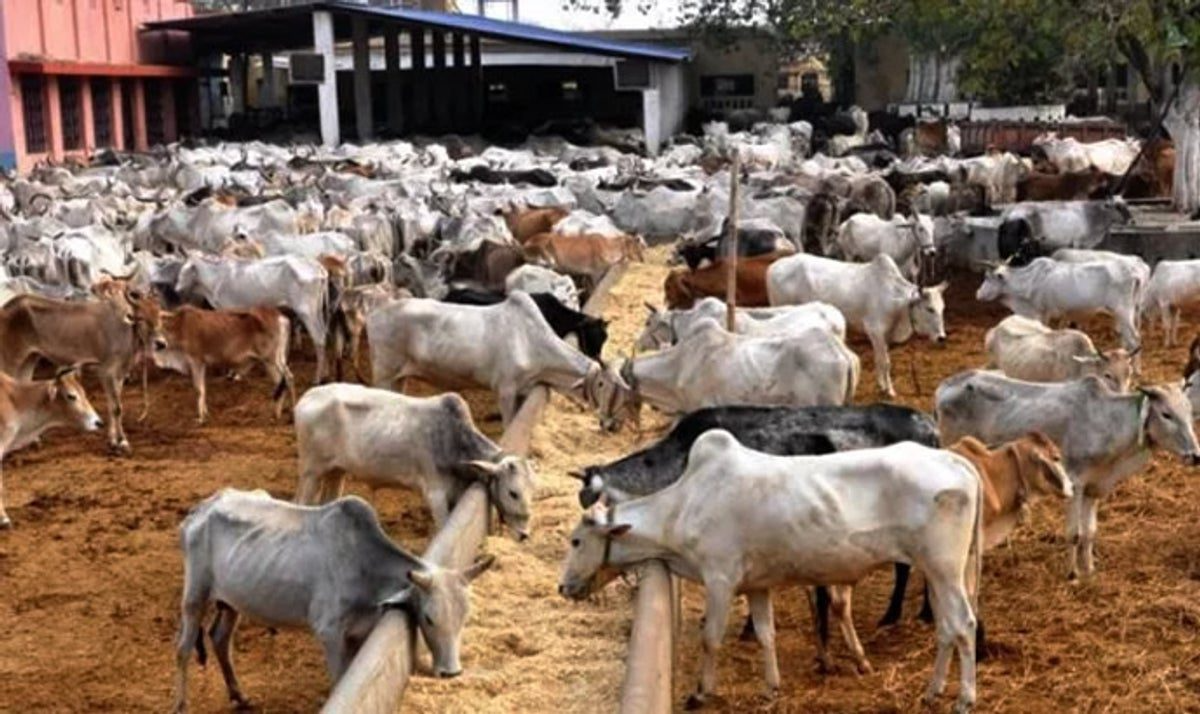
Nigeria’s livestock sector has for too long been discussed primarily through the language of conflict. Farmer-herder clashes, cattle rustling, open grazing, land disputes and insecurity have dominated public discourse, obscuring the enormous economic potential of livestock production. Nigeria has one of the strongest economic cases for taking livestock seriously. The country has one of Africa’s largest livestock populations, and millions of Nigerians depend directly or indirectly on cattle, sheep, goats, poultry and other animals for their livelihoods. Yet much of the sector remains characterised by low productivity, inadequate veterinary services, poor breeding systems, limited access to feed and water, weak markets, insufficient processing capacity and poor infrastructure. The result is an industry that generates far less value than its potential.
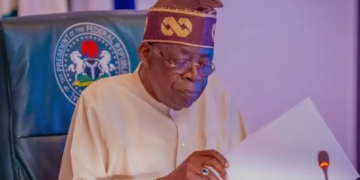
Two years ago, during the signing of a Letter of Intent between the Nigerian government and JBS S.A., one of the world’s three largest meat-processing companies, President Tinubu, speaking in Brazil, said: “What we are doing right now is that we are solving a problem that afflicted humanity in that part of Africa, clashes between farmers and migrating cows that have caused some bloodshed when there is a modern, civilised way to solve those problems and even bring a successful economy out of it. We are trying to turn a situation of tragedy, hopelessness into economic opportunity, see through problems and see the opportunity that is involved in it.”
However, recent revelations that the Federal Ministry of Livestock Development has not received capital releases since 2024 are troubling. The Federal Government cannot credibly promise a livestock revolution while starving the institution responsible for driving it of the resources required for meaningful intervention. Creating a ministry is only the beginning. Transformation requires sustained investment, competent institutions and a coherent national strategy.
Nigeria should begin to see livestock not just as a security challenge to be managed, but as a productive industry capable of creating jobs, strengthening food security, supporting rural economies and reducing some of the tensions that have plagued communities for decades. According to the President, Nigeria has more than 58 million cattle, 64 million sheep, 124 million goats and 660 million poultry birds. Yet such enormous biological assets have not translated into an equally impressive supply of affordable animal protein.
The contradiction is particularly striking in the dairy sector. Nigeria, with 58 million cattle, continues to rely heavily on imported milk and dairy products. The country produces enormous quantities of livestock but captures insufficient value from them. This is not simply an agricultural problem; it is a failure of industrial policy. Modern livestock production should connect farmers and pastoralists to feed producers, veterinary services, processors, cold-chain operators, financial institutions, insurance companies and domestic and international markets.
This is where the Federal Government’s livestock policy must become more ambitious. Ranching, where appropriate, should not be presented simply as an alternative to open grazing. It should form part of a broader transition towards commercially viable livestock production. Such a transition requires investment in improved breeds, veterinary hospitals, artificial insemination, feed mills, pasture development, water infrastructure, livestock markets, abattoirs, meat-processing facilities and cold-chain systems.
It also requires financing. Small and medium-scale livestock producers cannot modernise if affordable credit remains inaccessible. Government must therefore develop financing mechanisms that recognise the peculiarities of livestock production, including the long production cycles and risks associated with disease, climate and market fluctuations. Livestock insurance and credit guarantees should be integral components of the transformation programme.
For northern Nigeria, the stakes are particularly high. Livestock is deeply embedded in the region’s economy and social structure. Millions of households depend on pastoralism and livestock trading, while an extensive network of markets connects the North with consumers across the country. Yet the region has also borne a disproportionate share of the consequences of livestock-related conflicts and insecurity. The answer cannot be an endless cycle of military deployments, displacement and emergency interventions.
The more sustainable solution is to make livestock production more productive, predictable and commercially organised. When livestock becomes a serious industry, incentives change. A productive ranching or pastoral system requires secure land arrangements, reliable water, animal health services, markets and peaceful relations with neighbouring farming communities. Economic interdependence can create incentives for cooperation where conflict currently thrives. States Like Yobe, Borno, Bauchi, Adamawa and Taraba and create a hub.
This is why the Federal Government’s commitment to the livestock sector should not be measured by the establishment of a ministry or the announcement of policies. It should be measured by capital releases, infrastructure delivered, animals vaccinated, productivity increased, dairy production expanded, processing capacity created and incomes improved.
The northern political class also has a responsibility. It should move beyond defending livestock as a cultural issue and begin advocating for it as an economic sector. The region needs leaders who can articulate a modern livestock economy capable of generating employment for young people, supporting women in dairy and livestock processing, attracting private investment and integrating rural communities into formal markets.
Equally important, the transformation must not become another centrally designed programme that ignores the realities of pastoralists and farmers. State governments, traditional institutions, farmers’ organisations, pastoralist groups, private investors and local communities must have a meaningful role. Livestock reform will succeed only when those expected to change their practices have the economic incentives and institutional support to do so.
Nigeria has spent too many years managing the symptoms of a broken livestock system. It is time to address the structure itself. A livestock sector that is productive, commercial and modern can contribute to food security, employment, industrialisationand national stability. Conversely, a neglected sector will continue to reproduce poverty, competition over resources and insecurity.
The Federal Government must therefore match its livestock ambitions with resources. If livestock is genuinely a national economic priority, the sector cannot be expected to run on speeches and policy documents. Nigeria must invest in the infrastructure, institutions and people capable of turning its enormous livestock endowment into economic value.
The objective should be clear: to transform livestock from a recurring source of conflict into a major engine of economic opportunity. That would be good policy, good economics and, ultimately, good security.
We’ve got the edge. Get real-time reports, breaking scoops, and exclusive angles delivered straight to your phone. Don’t settle for stale news. Join LEADERSHIP NEWS on WhatsApp for 24/7 updates →
Join Our WhatsApp Channel