For more than a century, debates about how history should be taught in American schools have reflected deeper questions about identity, citizenship, and belonging. Today, as educators confront widening gaps in historical literacy and persistent inequities in learning outcomes, one truth is increasingly clear: students cannot fully understand the world they live in without understanding the histories of the African Diaspora. These histories of migration, creativity, resistance, community formation, and global interconnection are not peripheral to the American story. They are central to it.
Yet in many secondary and tertiary classrooms, African Diaspora history remains underrepresented, fragmented, or confined to a few thematic units. This absence is not merely an academic oversight; it is a civic problem. When students lack access to the full breadth of Black historical experiences, they lose opportunities to develop critical thinking, empathy, and a nuanced understanding of the world. They also lose the chance to see themselves reflected in the curriculum, a factor proven to improve engagement and achievement for students of all backgrounds.
Emphasizes are being made on addressing this gap by producing accessible scholarship, developing culturally responsive curriculum materials, and expanding digital access to historical resources. The goal is simple but urgent: to make African Diaspora history a foundational part of how young people learn, think, and participate in civic life.
The Case for Accessible Scholarship
One of the greatest barriers to integrating African Diaspora history into classrooms is the inaccessibility of many primary sources and scholarly materials. Archival collections are often dispersed across continents, locked behind institutional paywalls, or preserved in formats that are difficult for teachers and students to use. This limits not only what educators can teach but also how students can engage with history as a living, interpretive discipline.
Accessible scholarship changes this. When research is written with clarity, contextual depth, and pedagogical intention, it becomes a tool that teachers can use immediately. When archives are digitized and made publicly available, students gain the ability to explore historical documents directly such as letters, photographs, newspapers, organizational records and to develop the analytical skills that define strong historical thinking.
By digitizing materials related to African diasporic associations, migration networks, and political movements, efforts are geared toward creating resources that teachers can integrate into lessons without needing specialized training. These digital collections allow students to encounter history firsthand, to ask questions, and to construct interpretations grounded in evidence. In a moment when misinformation threatens public discourse, this skill is invaluable.
Culturally Responsive Curriculum as a National Imperative
Culturally responsive curriculum is not about adding isolated “diversity lessons.” It is about reshaping the structure of historical education so that students see the interconnectedness of global experiences and understand how African Diaspora histories have shaped the political, cultural, and economic landscapes of the modern world.
Research consistently shows that culturally responsive teaching improves student engagement, strengthens critical thinking, and supports equitable learning outcomes. When students encounter histories that reflect diverse perspectives, they develop a richer understanding of the past and a stronger sense of their own agency in the present.
Curriculum modules built from African Diaspora scholarship can help achieve this. For example, lessons on diasporic student associations in Britain during the early twentieth century reveal how young Africans organized politically, built transnational networks, and contributed to anti colonial movements. These stories teach students about activism, leadership, global citizenship and concepts that resonate deeply in today’s classrooms.
Similarly, exploring migration histories helps students understand contemporary debates about immigration, identity, and belonging. Studying cultural festivals, artistic traditions, and community organizations highlights the creativity and resilience that define diasporic life. These narratives expand students’ understanding of what history is and who makes it.
Digital Access As A Tool For Equity
Digital access is one of the most powerful tools available for transforming history education. When archives are digitized, they become accessible not only to scholars but to teachers, students, and community members across the country. Digital collections democratize knowledge, allowing learners in rural, urban, and underserved communities to engage with materials that were once available only to a select few.
Expanding digital access also supports differentiated learning. Students can explore materials at their own pace, follow thematic pathways, and engage with multimedia resources that accommodate different learning styles. Teachers can integrate digital archives into project based learning, inquiry driven lessons, and cross disciplinary activities.
Developing digital repositories that highlight African Diaspora histories and create teacher ready guides imminently explains how to use these materials in the classroom. These resources are designed to be adaptable for both secondary and tertiary education, ensuring that students at all levels can benefit from them.
Building A More Inclusive Future
Integrating African Diaspora history into secondary and tertiary curricula is not simply an academic project; it is a national investment in the future of education. When students learn histories that reflect the complexity of the world, they become better thinkers, better communicators, and better citizens. They gain the tools to analyze evidence, challenge assumptions, and engage thoughtfully with social issues.
Moreover, inclusive history education strengthens civic cohesion. It helps students understand how different communities have contributed to national development and how shared struggles and achievements shape collective identity. In a diverse society, this understanding is essential.
The work of expanding access, developing curriculum, and producing accessible scholarship is ongoing, but its impact is already visible. Teachers are increasingly seeking materials that reflect global perspectives. Students are eager to explore histories that connect to their lives. Institutions are recognizing the importance of digital preservation and public access.
The next step is ensuring that African Diaspora history becomes a sustained, integrated part of how we teach and learn. This requires collaboration among scholars, educators, archivists, and policymakers. It requires investment in digital infrastructure and professional development. And it requires a commitment to the idea that history education must reflect the full richness of human experience.
Conclusion
African Diaspora history offers students a powerful lens for understanding migration, identity, activism, and global interconnection. By producing accessible scholarship, developing culturally responsive curriculum materials, and expanding digital access, we can transform how history is taught and how students understand themselves and the world.
The future of history education depends on our willingness to embrace complexity, honor diverse narratives, and equip students with the tools they need to think critically and act responsibly. African Diaspora scholarship is not just part of that future; it is essential to it.
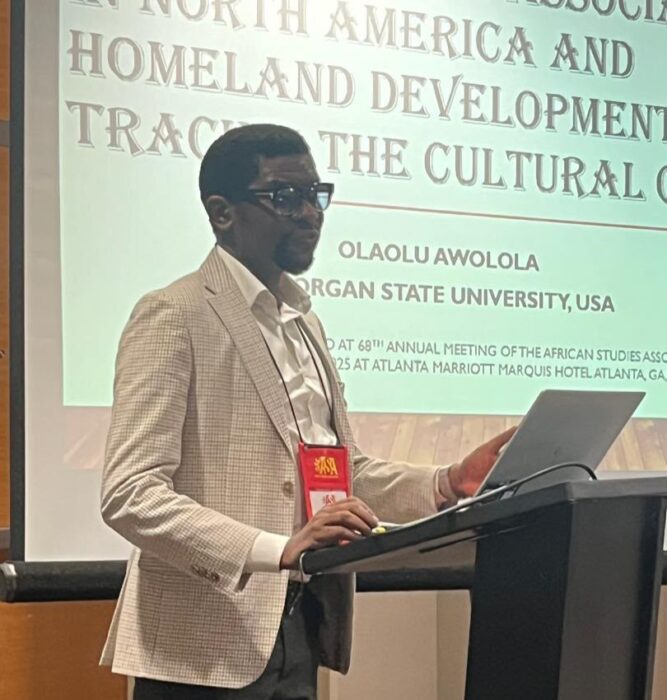
Olaolu Awolola is a Teaching Assistant and Instructor of the African Diaspora History at Morgan State University, Maryland, USA. His research explores migration, nationalism, labor history, and the transnational networks that shaped Black political activism across the twentieth century.
We’ve got the edge. Get real-time reports, breaking scoops, and exclusive angles delivered straight to your phone. Don’t settle for stale news. Join LEADERSHIP NEWS on WhatsApp for 24/7 updates →
Join Our WhatsApp Channel