
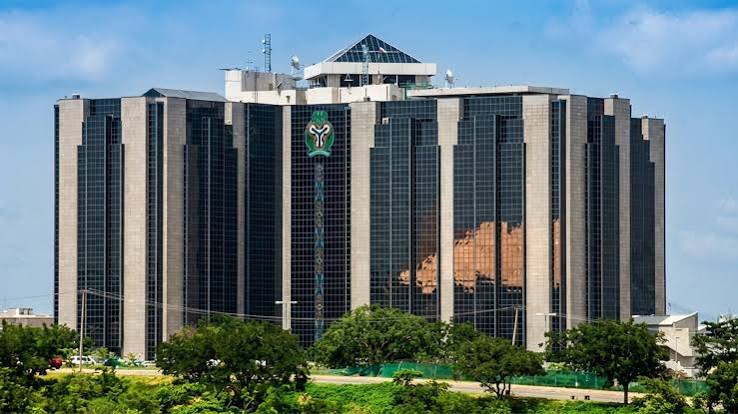
Nigeria’s gross external reserves have increased by $9.66 billion in the first 10 months of 2026, rising from $45.57 billion at the beginning of January to $55.22 billion as at October 30, 2026, representing a 21.19 per cent growth.
An analysis of the daily gross external reserves data showed that the country’s foreign exchange buffer gained $9.66 billion between January 2 and October 30, 2026, as reserves maintained an upward trajectory despite intermittent movements during the period.
The accretion recorded in the first 10 months of this year was significantly higher than the corresponding period of 2025, when gross external reserves increased by $2.31 billion, from $40.88 billion on January 2 to $43.20 billion as at October 31, representing a 5.66 per cent growth.
A comparison of the two periods showed that the increase in reserves between January and October 2026 was $7.34 billion higher than the $2.31 billion recorded in the corresponding period of 2025.
This represents more than a fourfold increase in the amount added to the country’s external reserves compared with the same period last year.
On a year on year basis, gross external reserves rose by $12.02 billion, representing a 27.84 per cent increase from $43.20 billion at the end of October 2025 to $55.22 billion as at October 30, 2026.
Further analysis of the reserves position showed that liquid external reserves stood at $54.71 billion as at October 30, 2026, while blocked reserves accounted for approximately $509.25 million, representing 0.92 per cent of gross external reserves.
The increase in the country’s external reserves provides a stronger foreign exchange buffer, which is important for meeting external obligations, supporting international trade payments and strengthening confidence in the foreign exchange market.
We’ve got the edge. Get real-time reports, breaking scoops, and exclusive angles delivered straight to your phone. Don’t settle for stale news. Join LEADERSHIP NEWS on WhatsApp for 24/7 updates →
Join Our WhatsApp Channel