
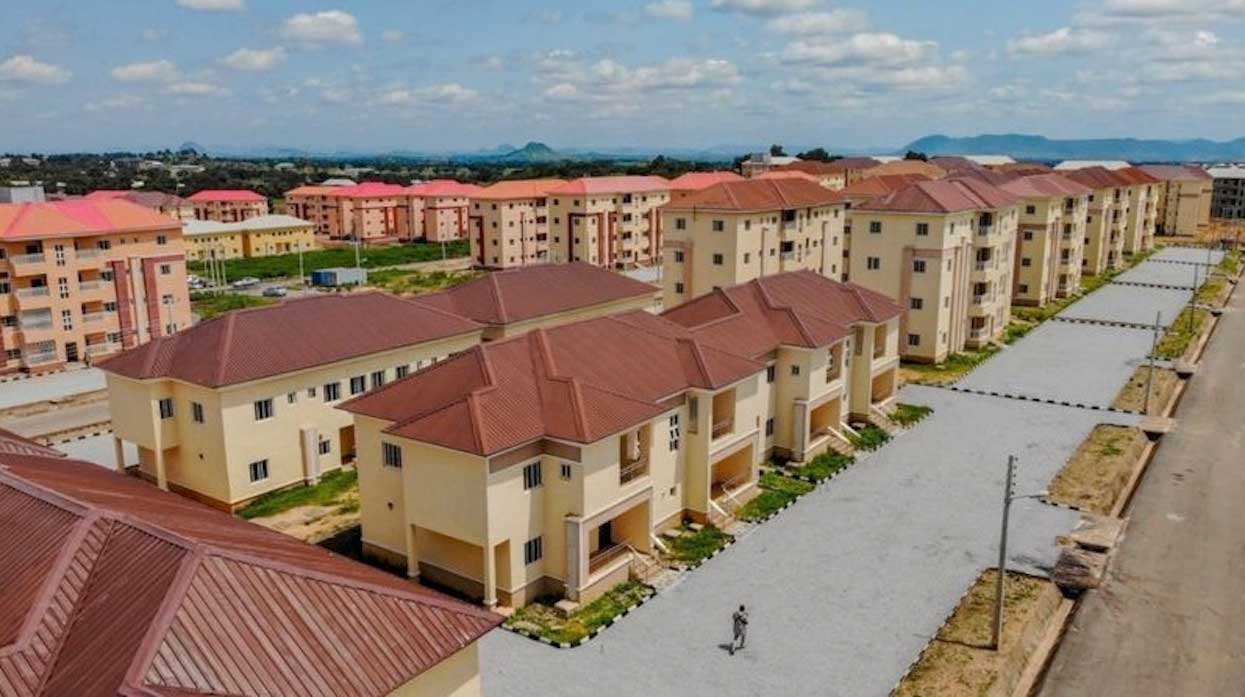
Nigeria’s real estate sector is entering a defining moment as intensifying macroeconomic pressures squeeze developers, stall projects, and compel a strategic reset in how housing is conceived and delivered.
Insights from a 2026 market outlook by the Managing Director of Legendary Foreshore, Mr Victor Ameh, paint a sobering picture: a convergence of surging inflation, foreign exchange volatility, and constrained access to structured finance has created one of the harshest operating climates in recent years.
At the heart of the strain lies the relentless escalation in construction costs. Nigeria’s dependence on imported building materials exposes developers to currency shocks, with fluctuations in the naira immediately inflating project budgets. Developments priced months—or even years—in advance are now plagued by cost overruns, in some cases rendering them financially unviable before completion.
This challenge is compounded by persistent inflation, which continues to push up the prices of cement, steel, fittings, and labour. Developers are increasingly forced to delay timelines, scale down project scope, or transfer rising costs to buyers—an option constrained by weakening consumer purchasing power.
Affordability has thus emerged as the defining variable in the 2026 market. As households grapple with rising living costs across energy, transport, and food, demand for high-end housing has softened. Slower sales cycles and reduced absorption rates now characterise the mid-to-premium segments. As the report aptly notes, projects misaligned with real income levels will struggle, regardless of branding or design quality.
Financing constraints further exacerbate the crisis. Despite an estimated market value exceeding $15 billion, mortgage penetration in Nigeria remains below 1%. Developers largely depend on equity, informal funding, or short-term capital—sources that have become increasingly expensive amid high interest rates and cautious lending by financial institutions. Smaller developers, in particular, face exclusion, while larger firms are under pressure to adopt stricter financial discipline.
In response, the industry is undergoing a structural shift.
Phased construction, cost-efficient design, and early procurement strategies are replacing speculative development models. Meanwhile, foreign exchange exposure continues to pose significant risks, with sudden naira depreciation capable of derailing project economics overnight.
Layered atop these are enduring structural bottlenecks—inefficient land administration, regulatory delays, and infrastructure deficits—that further complicate execution.
Yet, demand fundamentals remain robust, driven by rapid urbanisation and a housing deficit estimated at 20-28 million units. However, without improved affordability frameworks and access to finance, much of this demand will remain latent.
Ultimately, 2026 is shaping up to be a year of market separation. Survival will hinge not on scale, but on discipline, efficiency, and the ability to build sustainably within the constraints of a volatile economic landscape.
We’ve got the edge. Get real-time reports, breaking scoops, and exclusive angles delivered straight to your phone. Don’t settle for stale news. Join LEADERSHIP NEWS on WhatsApp for 24/7 updates →
Join Our WhatsApp Channel