The Presidency has renewed its push for empowered local government councils and expansion of public-sector hiring, framing the move as a direct strategy to combat Nigeria’s deepening youth unemployment crisis and to spark grassroots development.
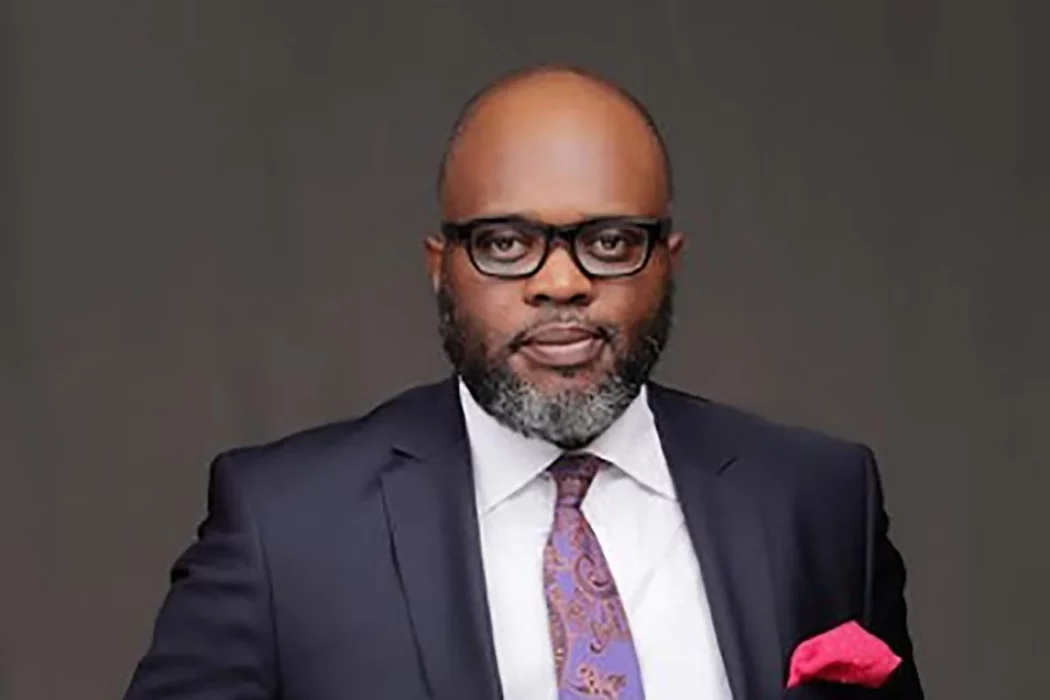
Special Adviser to the President on Economic Affairs, Tope Fasua, made the call on yesterday at the 2026 District Conference of Rotary International District 9127 in Abuja.
Fasua said that restoring financial autonomy to local governments and boosting recruitment in education, security, and social services are essential steps to resolving the nation’s socio-economic challenges.
“We need more teachers in Nigeria. We need more security people. We need more people to work in the environmental sector,” Fasua stated.
The presidential aide noted that many Nigerians leaving for abroad end up filling similar social service roles overseas, jobs he insists can and should be created at home.
He maintained that with the right reforms, local governments can once again stimulate infrastructure growth and serve as true engines of job creation.
“In the UK, many of the young people who travel out end up in the social services sector. Those jobs are here in Nigeria as well,” he said.
Fasua said ongoing reforms under President Bola Tinubu’s administration were already directing more resources to states and local governments.
“The action is happening at the state level,” he said, adding that some local governments were now receiving direct allocations capable of improving infrastructure and public services.
He argued that states were increasingly becoming centres of economic activities and capital projects, noting that contractors now preferred working with state governments because of increased funding at the sub-national level.
According to him, reforms in the federation’s revenue structure were designed to strengthen federalism and reduce over-dependence on the federal government.
“The federal government is getting less and less. Of the VAT collection, the federal government used to be at 15 per cent; now we have reduced it to 10 per cent,” he said.
The presidential adviser also urged Nigerians to pay greater attention to governance at the state and local levels rather than focusing solely on the federal government.
“Even if you live here in Abuja, take an interest in your state,” he said.
Fasua defended key economic reforms, including the removal of the fuel subsidy, exchange rate liberalisation, and tax restructuring, describing them as necessary measures to stabilise the economy and encourage inclusive growth.
On subsidy removal, he said the policy ended years of corruption and financial leakages in the petroleum sector.
“About $10 billion was stolen away as fuel subsidies to just a few people,” he stated.
He said the reforms had already started yielding results, particularly in inflation management and foreign exchange stability.
“We have seen the cost of inflation. Inflation is down to 15.3 per cent today. It was almost 35 per cent by the end of 2024,” he said.
Fasua also said exchange rate reforms had reduced arbitrage opportunities while boosting exports and discouraging excessive imports.
“Imports have gone down by 30 per cent, exports have gone up by 30 per cent,” he said.
On taxation, he described the newly introduced tax reforms as “pro-poor,” noting that low-income earners and small businesses had been exempted from certain taxes.
“We believe that any Nigerian earning N1 million and below should not be taxed,” he said.
He added that businesses with annual turnover below N100 million would also enjoy tax reliefs under the new reforms.
“If they come to you for taxes, shout. Take it to social media,” he said while encouraging small business owners to resist illegal taxation.
Fasua further argued that Nigeria should not define itself by poverty, insisting that the country still possesses strong economic potential despite current challenges.
“Nigeria should not be defined by poverty,” he said, citing strong domestic participation in bank recapitalisation and investment in education as indicators of resilience.
Speaking on insecurity, Fasua expressed optimism that the situation would improve with sustained governance reforms and investments in public services.
“I personally believe that the security issues will disappear one day,” he added.
Earlier, District Governor of Rotary International District 9127, Joy Nky Okoro, said the conference was aimed at strengthening friendship, humanitarian service and collaboration among Rotarians.
“This conference is more than an annual gathering. It is a celebration of service, friendship, sacrifice, learning, fellowship and shared humanity,” she said.
Okoro said the conference theme, “Uniting for Good, Fostering Friendship and Celebrating Service,” reflected Rotary’s commitment to peace-building and community development.
“When we unite, we multiply impact. When we build friendship, we strengthen peace,” she said.
She described the gathering as an opportunity for Rotarians across the district’s 16 states to reconnect, exchange ideas and renew their commitment to humanitarian service.
According to her, the conference would also provide a platform for participants to celebrate achievements recorded during the Rotary year and plan for future interventions.
“We shall learn, listen, laugh, connect, and reconnect ourselves to the noble ideals that make Rotary a global force for good,” she added.
Representing the Rotary International President at the conference, Geeta Manek commended Nigerian Rotarians for their contributions to community development and the eradication of polio in Africa.
“When you eliminated polio from Nigeria, we declared Africa polio-free,” she said.
Manek said Rotary International President Francesco Arezzo held Africa in high regard because of the continent’s growing influence within the organisation and its contributions to humanitarian causes.
“Africa is no longer on the menu. Africa is at the table,” she said, quoting Kenyan banker James Mwangi.
She described District 9127 as “a district of energy, relevance and growing influence,” praising members for their commitment to membership growth, health programmes and community impact.
According to her, the district’s achievements in maternal and child healthcare demonstrated its readiness to execute large-scale humanitarian interventions.
“These are not small steps. They are forward strides towards transforming communities,” she said.
Manek urged Rotarians to deepen partnerships with governments, corporate organisations and communities to expand the impact of Rotary’s interventions.
“The future of Rotary belongs to those who can partner effectively with communities, corporates and governments,” she said.
She also challenged members not to become complacent despite existing achievements, stressing that many vulnerable people still lacked access to healthcare, food and economic opportunities.
“The need out there is still far greater than what we are doing today,” she added.
Also speaking, Kaduna State Director-General of Intergovernmental Affairs, Hannatu Talatu Mohammed, said Rotary International had continued to support government efforts in healthcare, education and peace-building.
“Government alone cannot meet all the needs of the people,” she said.
Mohammed, who represented the Deputy Governor of Kaduna State, said Rotary’s humanitarian interventions were closely aligned with the Kaduna State Government’s development priorities.
She said the state government remained committed to inclusive governance, social justice and people-centred development.
According to her, Rotary had consistently distinguished itself globally through voluntary and community-driven initiatives.
“Rotary has consistently demonstrated that service above self is not just a motto, but a practical and impactful approach to nation-building,” she said.
She urged the organisation to deepen its engagement with governments and communities across the region to sustain developmental progress.
“As you deliberate during this conference, may your discussions generate innovative ideas, stronger friendships and renewed commitments to humanitarian service,” she added.
Leader of Rotaractors in District 9127, Margarita Kochi, encouraged young members to use the conference to build relationships and strengthen community impact.
“We came here because we believe young people can change communities, and we are actually doing it already,” she said.
Kochi described Rotaract as a platform for youth leadership, collaboration and sustainable community service.
“Rotaract is the sustainability plan for Rotary,” she said.
She urged participants to use the conference to connect with mentors, project partners and fellow volunteers while recommitting themselves to service and leadership.
“Learn something new, laugh a lot, and leave here reminded why we said yes to Rotaract in the first place,” she added.
The conference brought together Rotarians, Rotaractors, government officials, development partners and civic leaders from across the country to deliberate on service, leadership and national development.
We’ve got the edge. Get real-time reports, breaking scoops, and exclusive angles delivered straight to your phone. Don’t settle for stale news. Join LEADERSHIP NEWS on WhatsApp for 24/7 updates →
Join Our WhatsApp Channel