For millions of Nigerians, the dream of owning a home is slipping further out of reach, not because of a lack of ambition or effort, but due to the rising cost of essential building materials such as cement, granite and reinforcement rod.
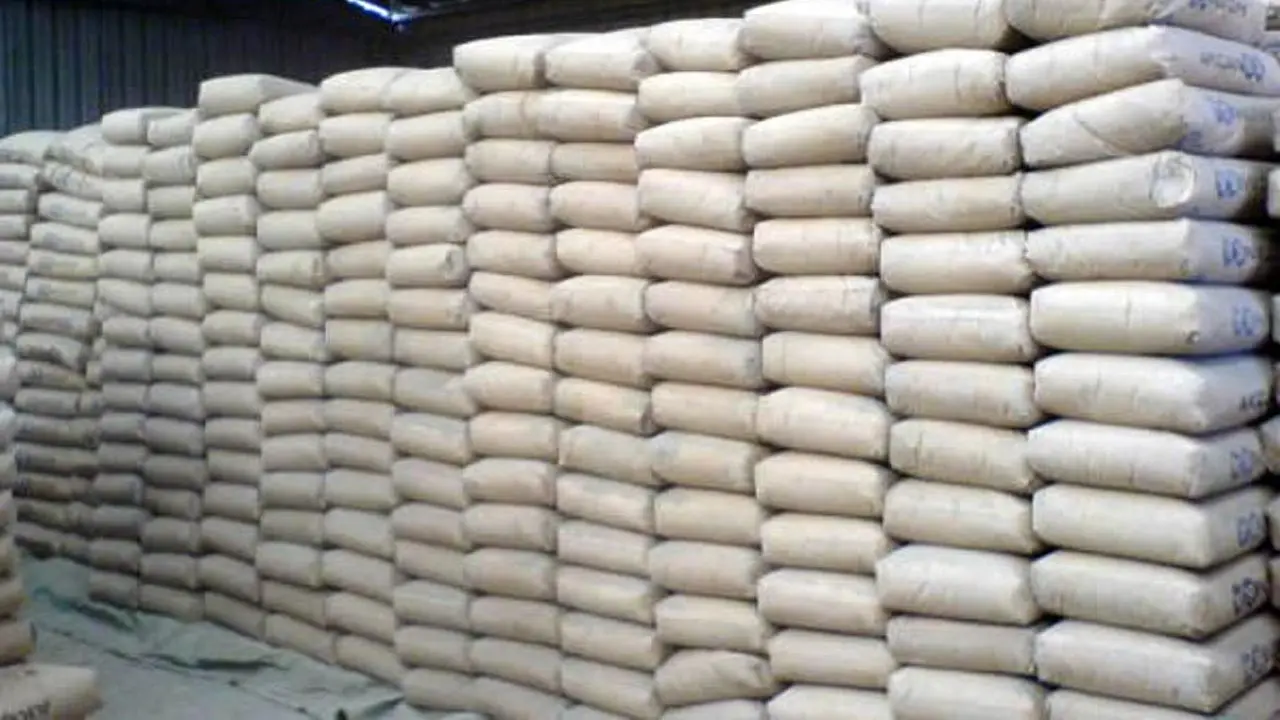
Across the country, the price of a 50kg bag has surged between N11,000 and N15,000 as of March 2026, a sharp increase that is quietly but decisively closing the window of homeownership for low and middle-income earners. What was once a gradual climb onto the property ladder has now become for many an impossible leap.
Speaking to LEADERSHIP, a school teacher in Ogun State, Blessing Akinwale said, “I have been saving for years to build my own house. But every time I get closer, the cost of cement goes up again. It feels like the goalpost keeps moving.”
Her frustration reflects a growing national sentiment: the rising cost of construction is no longer just a business concern but a deeply personal crisis affecting everyday Nigerians.
Nigeria already faces a significant housing deficit estimated in the millions. But industry watchers warn that the current cement price surge could deepen the crisis, effectively locking a new generation out of property ownership.
The immediate past president of Real Estate Developers Association of Nigeria REDAN, Aliyu Oroji, warned that escalating building costs are not only slowing down construction but also pushing finished homes beyond the financial reach of average citizens.
“Developers are being forced to increase prices and ultimately it is the end user, the aspiring homeowner, who bears the burden,” Alhaji Dr Aliyu Oroji said, adding that “we are creating a situation where only a small fraction of Nigerians can afford to own homes.”
For many families, this means prolonged dependence on rented accommodation, often under challenging conditions.
Housing experts say cement prices play a critical role in determining the final cost of homes. As prices rise, developers pass on the added costs, making even modest housing units increasingly expensive.
In cities like Lagos and Abuja, the price of newly built homes has surged in tandem with construction costs, placing them far beyond the reach of civil servants, small business owners and young professionals.
Property analyst Tunde Balogun explained that it is simple economics, stating that “if your input costs double, your selling price must adjust. Unfortunately, incomes are not rising at the same pace.”
This mismatch between wages and housing costs is widening the affordability gap, leaving many Nigerians stuck in a cycle of renting with little hope of ownership.
Speaking at a recent stakeholders meeting, the Federal Government acknowledged the growing crisis, with the Minister of Housing and Urban Development, Ahmed Dangiwa, describing the situation as deeply troubling.
Dangiwa said it is unacceptable that a product largely produced from local raw materials continues to rise beyond the reach of ordinary Nigerians.
His remarks underscore a key concern if cement, a domestically produced commodity, becomes unaffordable, the broader goal of mass housing delivery may be severely undermined.
Critics argue that structural issues within the cement industry are partly to blame. A report by Agora Policy points to the dominance of a few major manufacturers who collectively control about 95 per cent of the market. This concentration, the report suggests, limits competition and keeps prices high.
Also speaking, Ifeoma Nwoye, an economist based in Lagos, said the implications are stark for aspiring homeowners. “When a few companies control the market, there is little incentive to lower prices. And when prices remain high, the people at the bottom of the ladder are the first to be excluded.”
Behind the statistics are real people whose lives are being reshaped by the crisis. In Ibadan, 34-year-old mechanic Sadiq Bello said he has abandoned plans to build a two-bedroom bungalow after costs spiralled beyond his savings.
“I bought land three years ago and started gathering materials,” he said. “Now I cannot continue. Cement alone has become too expensive. I have stopped everything.”
For others, the situation is forcing difficult compromises, downsizing building plans, delaying projects indefinitely or resorting to incremental construction that may take decades to complete.
Experts warn that as formal homeownership becomes less attainable, more Nigerians may turn to informal housing solutions, which often lack proper planning and safety standards.
Architect Funmi Adeyemi cautioned that desperation could lead to risky decisions. “When people are priced out of formal housing, they look for alternatives, sometimes building with substandard materials or without proper supervision,” she said.
Such trends could have long-term consequences, including increased cases of structural failures and overcrowded living conditions.
Manufacturers, however, maintain that the rising prices reflect broader economic realities.
The Cement Producers Association of Nigeria attributes the increase to high energy costs, particularly diesel, as well as logistics and maintenance expenses.
“There are multiple cost pressures that we cannot ignore,” a representative said. “Production is not as cheap as many assume.”
Still, for ordinary Nigerians, these explanations offer little comfort.
As the crisis deepens, calls for government intervention are growing louder.
Stakeholders are urging President Bola Tinubu to take decisive steps to bring down cement prices and restore affordability in the housing sector.
Among the options being considered is the potential importation of cement to boost supply and reduce costs, a move that could disrupt the dominance of local producers.
Others advocate policies that encourage the use of alternative building materials, reducing reliance on cement altogether. For now, however, the reality remains stark.
Each rise in cement prices pushes homeownership further out of reach, turning what was once a common aspiration into a distant dream for millions.
Another resident in Ogun State, Jimoh Akinteru, also stressed that unless urgent measures are taken, the feeling of homeownership may slip away and may soon become the norm rather than the exception as Nigeria’s housing crisis evolves into a full-blown homeownership crisis, shutting out those who can least afford to be left behind.
We’ve got the edge. Get real-time reports, breaking scoops, and exclusive angles delivered straight to your phone. Don’t settle for stale news. Join LEADERSHIP NEWS on WhatsApp for 24/7 updates →
Join Our WhatsApp Channel