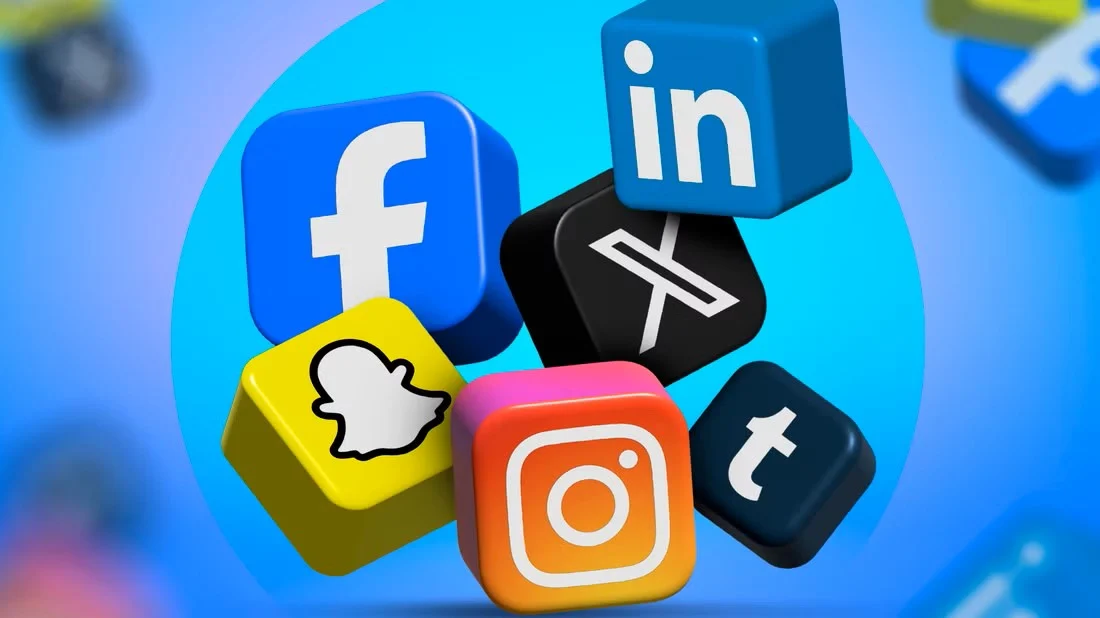
Nigeria is drifting into dangerous territory. What once passed for online noise has now hardened into a clear threat to national coexistence. In just the past week, false claims, recycled images, doctored videos, and outright fabrications have flooded social media—touching on fuel pricing, taxation, security operations, and alleged ethnic or religious targeting. These are not harmless rumours. They are weapons.
Recent findings by civil society organisations confirm what many Nigerians already sense: fake news and misinformation now dominate the country’s digital space. These narratives are deliberately crafted to provoke fear, resentment, and suspicion—the combustible elements that can fuel social fracture.
In a country already strained by economic hardship, insecurity, and declining trust in institutions, misinformation spreads not merely as false information but as a form of identity. People increasingly ask not whether a claim is valid, but whether it aligns with their fears, loyalties, or grievances. That is how lies gain power.
The growing danger lies not only in misinformation itself, but in its weaponisation. Falsehoods are now strategically circulated to inflame ethnic, religious, and regional sentiments. Nigeria’s diversity, which should be a source of strength, becomes a fault line when manipulated by viral deception. A rumour about policy quickly morphs into an accusation against a group. A distorted security report becomes “proof” of persecution. A fabricated document becomes justification for anger, withdrawal, or even violence.
History offers grim lessons. Societies rarely collapse because of a single dramatic event. They unravel through accumulated distrust, sustained by narratives that portray “the other” as an enemy. From Rwanda to Bosnia and Herzegovina, the pattern is consistent. Nigeria has seen echoes of this before—in communal clashes, post-election violence, and sectarian crises. What is new is the speed and scale with which social media accelerates this process, bypassing traditional gatekeepers and rewarding outrage over truth.
The government bears significant responsibility in this environment. Too often, official communication is slow, reactive, or opaque. In the vacuum created by silence or ambiguity, misinformation thrives.
When citizens do not hear clearly and promptly from authorities, speculation fills the gap—or worse, content engineered to deceive. In today’s information ecosystem, delayed truth is routinely overwhelmed by instant falsehood.
But this is not solely a government failure. Media institutions must confront uncomfortable realities about their changing role. Credibility alone no longer guarantees influence. When mainstream outlets wait for misinformation to go viral before responding with belated fact-checks, they surrender the initiative.
Corrections issued days later may be accurate, but by then the emotional damage has already been done. Journalism must rediscover its agenda-setting role, not merely its corrective one.
Social media platforms themselves cannot be excused. Their algorithms reward virality rather than veracity. Content that provokes fear or outrage travels farther and faster than calm explanation. While these companies claim neutrality, their design choices have consequences. In fragile societies like Nigeria, unchecked amplification of falsehood is not neutral; it is destabilising.
Yet the most demanding responsibility rests with citizens. Freedom of expression is a cornerstone of democracy, but it is not a licence to endanger social peace. Forwarding unverified claims, sharing incendiary content, or endorsing narratives that dehumanise others have real-world consequences. In a multi-ethnic, multi-religious society, such irresponsibility is not harmless—it is combustible.
Nigeria cannot afford to drift into a future where truth becomes secondary to tribal affirmation, and facts are judged solely by who benefits from them. Once that line is crossed, public debate becomes impossible, policy implementation becomes harder, and coexistence becomes fragile. Every rumour then becomes a potential spark.
What is required now is not censorship—which often backfires—but institutional seriousness. The government must prioritise proactive communication, clarity, and transparency. Security agencies must recognise misinformation as a threat multiplier capable of escalating tensions even where no physical violence exists.
Media organisations must invest more in verification, rapid-response journalism, and public education. Civil society must enhance media literacy, particularly among young people who are both the most connected and the most vulnerable to targeted messaging.
Above all, there must be a renewed commitment to the idea that national coexistence is not self-sustaining. Social cohesion requires constant reinforcement through truth, restraint, and shared responsibility. A society cannot fact-check its way out of fragmentation after damage has been done. Prevention remains the only sustainable strategy.
Nigeria stands at a crossroads. One path leads to a future where every crisis is filtered through suspicion and every falsehood granted the benefit of belief. The other demands discipline—from institutions, the media, and citizens—to uphold truth as a public good.
The screens in our hands now shape the peace in our streets. If falsehood continues to spread unchecked, the casualty will not only be truth, but the fragile bonds that hold this country together. That is a price Nigeria cannot afford to pay.
We’ve got the edge. Get real-time reports, breaking scoops, and exclusive angles delivered straight to your phone. Don’t settle for stale news. Join LEADERSHIP NEWS on WhatsApp for 24/7 updates →
Join Our WhatsApp Channel