The Standards Organisation of Nigeria (SON) has approved 80 standards covering compressed natural gas (CNG) conversion kits, storage vessels, fuelling stations and other components to ensure the safe use of the alternative fuel in the country.
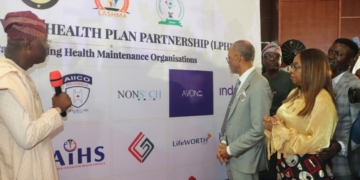
The director-general of SON, Dr Chukwunonso Okeke, disclosed this during the celebration of World Standards Day in Abuja.
He explained that the standards were developed to support the federal government’s energy transition agenda and ensure that CNG systems met established safety and performance requirements.
He said the standards approved in 2024 covered CNG conversion kits, electrical connections, vehicle diagnostics, roadworthiness, vehicle safety, storage vessels and fuelling stations.
According to him, the standards would help ensure that CNG, as an alternative fuel, was deployed safely and reliably while providing Nigerians with an option that could reduce energy costs.
Okeke said standards were critical to ensuring that technologies, products and systems supporting the energy transition were safe, efficient, reliable and fit for purpose.
“Without standards, we cannot get affordable and reliable energy,” he said.
The SON chief said access to affordable, reliable and clean energy was essential to industrial growth, innovation, job creation and improved quality of life.
This year’s World Standards Day theme: “Shared Vision for a Better World,” focuses on Sustainable Development Goal Seven, which promotes access to affordable and clean energy.
Okeke said SON had also introduced the Mandatory Energy Labelling Scheme and Minimum Energy Performance Standards to help consumers identify energy-efficient electrical and electronic appliances.
He explained that the scheme would provide consumers with information about the energy performance of appliances, enabling them to make informed purchasing decisions and reduce electricity costs over time.
According to him, some appliances may be cheaper to purchase but consume more electricity, making them more expensive to operate in the long run.
He attributed manufacturers’ reluctance to adopt energy-efficient technologies partly to the cost of transitioning from existing production systems, including investments in research, development and staff training.
The SON director-general urged manufacturers to embrace energy-efficient production, while calling on traders, marketers and business owners to stock and sell products bearing appropriate SON certification marks.
He said the agency was transitioning from its old certification logo to a new one to make certified products easier for consumers to recognise and distinguish from substandard and counterfeit goods.
Okeke also disclosed that SON had launched a digital standards platform to improve online access to standards and advance the digital delivery of its services.
He said the agency was strengthening its product authentication and tracking system to enable consumers to verify the authenticity of products using their mobile phones.
In addition, he said SON had migrated its SONCAP and import permit processes to the National Single Window to improve efficiency and transparency in trade facilitation.
The agency had also hosted its first African Quality Mark Award ceremony to celebrate Nigerian companies and products that had obtained continental quality certification.
Okeke said standards remained essential to consumer protection, fair competition and international trade because they establish clear requirements for product quality and safety, helping to build confidence in Nigerian products.
We’ve got the edge. Get real-time reports, breaking scoops, and exclusive angles delivered straight to your phone. Don’t settle for stale news. Join LEADERSHIP NEWS on WhatsApp for 24/7 updates →
Join Our WhatsApp Channel