Labour Unions, civil society organisations, and concerned citizens have called for the reversal of the privatisation of public assets and utilities in Nigeria, citing far-reaching socio-economic and political consequences.
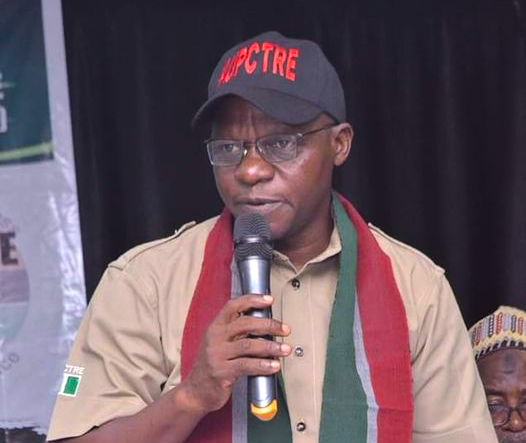
This demand emerged during a one-day symposium organized by the Amalgamated Union of Public Corporations, Civil Service Technical and Recreational Services Employees (AUPCTRE) and the National Union of Electricity Employees (NUEE), with support from DGB Bildungswerk and Public Services International (PSI), over the weekend, in Lagos.
Participants at the symposium criticized the privatization of public assets, particularly in the electricity sector, and condemned ongoing plans to privatize water utilities. The event featured a protest march in Ikeja, where attendees rejected privatization policies and demanded the reversal of electricity sector privatisation.
Participants highlighted the failures of Nigeria’s electricity sector privatization, which began in 2013, adding that, “Despite promises of improved services, power generation remains stagnant at 4,000–5,800 megawatts. In 2024 alone, the national grid collapsed 24 times, leaving citizens dependent on costly and environmentally damaging private power sources.”
They also decried frequent electricity tariff hikes, discriminatory tariff banding, and the perceived failure of distribution companies to fulfill their responsibilities. Concerns were raised over plans to privatize water utilities, warning that such moves could replicate the challenges experienced in the electricity sector and disproportionately harm vulnerable populations. Workers, they noted, have borne the brunt of privatization through job losses and heightened job insecurity.
Speaking with me on the sidelines, AUPCTRE national president, Comrade Benjamin Anthony emphasized the need for labor and civil society to resist privatization in all forms, whether in the electricity or water sectors. He argued that the failure of electricity privatization was predictable and warned that similar outcomes would likely follow in the water sector if advocacy against privatisation is not sustained.
Anthony proposed several actions, including reversing electricity sector privatization, halting ongoing plans to privatize public utilities, and repealing recent electricity tariff hikes. He also called for an immediate end to the stratification of Nigerians into tariff bands, which he described as discriminatory and divisive.
He urged the Nigerian Senate to hold public hearings to give citizens a platform to voice their concerns about electricity sector privatization. He also called for a rejection of World Bank-driven privatization initiatives, such as Public-Private Partnerships (PPP), which he argued prioritize profits over public welfare and human rights.
Instead, Anthony advocated for the adoption of a Public-Public Partnership model, which has demonstrated success globally, and greater investment in human capital to improve efficiency and transparency in public sector operations.
We’ve got the edge. Get real-time reports, breaking scoops, and exclusive angles delivered straight to your phone. Don’t settle for stale news. Join LEADERSHIP NEWS on WhatsApp for 24/7 updates →
Join Our WhatsApp Channel