Stakeholders in the gender equality campaign have charged media professionals to frame narratives that will push for the passage of a bill seeking reserved seats for women in the National and State Houses of Assembly.
The National Assembly is expected to vote on the piece of legislation and other constitution alteration bills in the coming weeks.
The said bill seeks to alter the Constitution of the Federal Republic of Nigeria, 1999 to provide for seat reservation for women in the National Assembly and State Houses of Assembly.
It intends to remedy the low representation of women in Legislative Houses by providing for special constituencies to be contested and filled by women as a temporary measure to promote women’s political representation.
The convener of the Reserve Seats for Women Bill Campaign Coalition, Osasu Igbinedion-Ogwuche lamented Nigeria’s poor statistics on women’s political representation which she said was embarrassing for a country regarded as the giant of Africa.
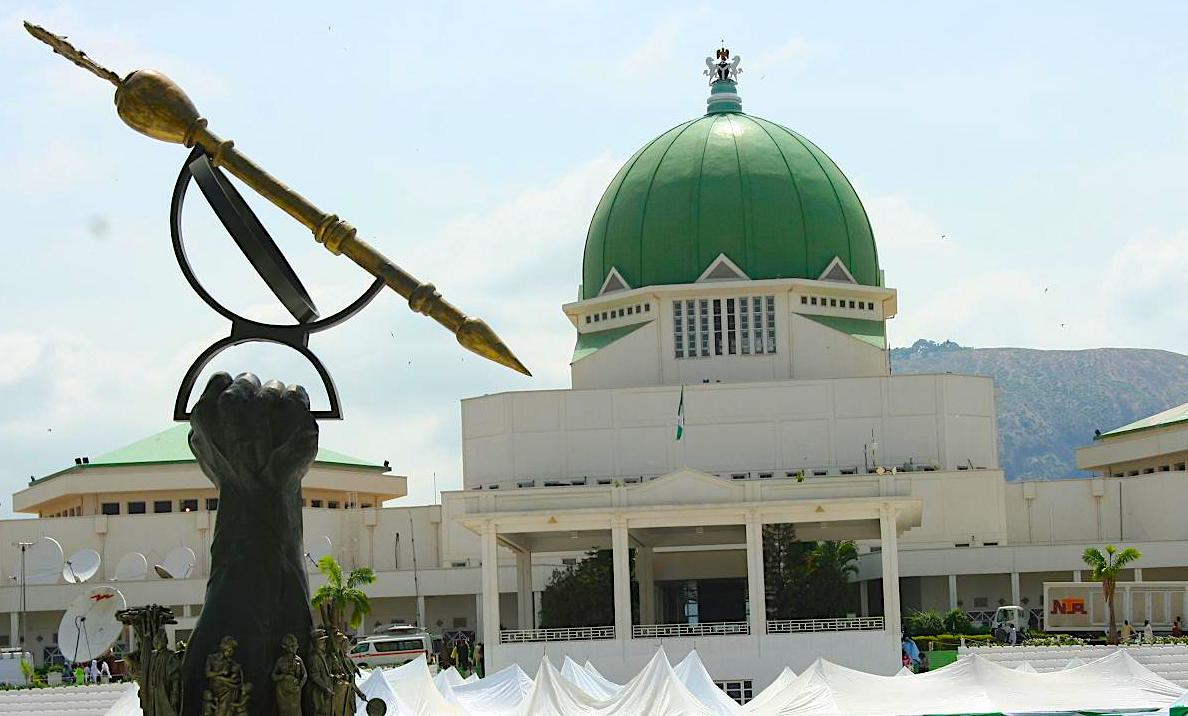
Ogwuche who spoke at a media training workshop on strengthening reportage on the Reserved Seats for Women Bill, held at the National Assembly Complex, Abuja, lamented that Nigeria ranks lowest in Africa in women’s participation in government.
She said, “we say we are the giant of Africa, and I’ve been performing so poorly when it comes to women in government. I was speaking with the Speaker of the South Sudan Council of Representatives the other day.
“This is a country that was torn into pieces by war, yet they have women leading where it matters. These women rebuilt their country; these women were at the forefront of the fight. If they can do it, why can’t we?”
Ogwuche said Nigeria currently sits “54 out of 54” on the continent on women participation in parliament and stressed that the push for reserved seats is neither tokenism nor an emotional appeal.
In a presentation, a media expert, Dr Adaora Sydney-Jack urged media professionals to adopt more gender-responsive approaches to political reporting to help shape a fairer national conversation on women’s political participation.
According to her, media’s framing of the emerging gender quota debate will significantly influence public perception, acceptance, and legitimacy of women in governance.
“As Nigeria moves closer to legislative reform that could fundamentally shift gender balance in governance, the responsibility placed on journalists, political editors, and media gatekeepers becomes even more critical. Reporting on politics is never neutral.
“Every headline, every interview angle, every frame, and every omission contributes to constructing a narrative about who deserves power, who is “capable” of leadership, and who the public should trust.
“When women are entering political spaces historically dominated by men, the media becomes a decisive actor—not merely informing society, but influencing perception, legitimacy, and acceptance of women’s political participation,” Sydney-Jack said.
Speaking on practical media skills for reporting the reserved seats for women bill, a facilitator, Edidiong Frank emphasised the need for leading stories with a human angle.
“Instead of ‘the National Assembly today debated the Reserved Seats Bill…’ Use ‘for Aisha, a young community advocate, the reserved seats bill could determine if her voice ever reaches the chamber.
“Use simple, factual explanations. What the bill proposes, why it matters, who benefits, what’s at stake. Include verified data. Example: Less than 5% of Nigeria’s National Assembly members are women,” he said.
We’ve got the edge. Get real-time reports, breaking scoops, and exclusive angles delivered straight to your phone. Don’t settle for stale news. Join LEADERSHIP NEWS on WhatsApp for 24/7 updates →
Join Our WhatsApp Channel