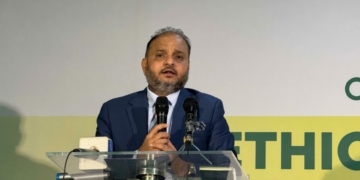
The Chartered Institute of Taxation of Nigeria (CITN) has said that the upcoming 28th Annual Tax Conference will gather stakeholders at all levels to examine critical issues shaping Nigeria’s tax system.
President and chairman of the Council of CITN, Innocent Ohagwa, disclosed this in Lagos ahead of the CITN’s 28th Annual Tax Conference scheduled to hold in Abuja.
According to him, “the forthcoming conference themed, ‘Tax Reforms and Global Relevance: Positioning Nigeria’s Tax System for a Sustainable Future’, scheduled to begin on May 11 in Abuja, will bring together state actors at both national and subnational levels to examine critical issues shaping Nigeria’s tax system and economic future particularly in the context of the ongoing tax reforms.”
He explained that a major focus of the conference would be evaluating the early outcomes of the 2025 tax reforms and aligning fiscal policies with enterprise growth and investment needs.
Other sessions at the conference will address improving tax administration efficiency, strengthening subnational revenue systems, and building a culture of voluntary compliance and public trust.
The CITN president, however, noted that initial concerns over the new tax laws have eased as implementation continues to gain traction nationwide.
Ohagwa further said that salary earners have been reporting lower deductions in their monthly salaries since the law took effect in January.
He said early feedback from workers indicates that the changes are already reflected in their monthly take-home pay.
While those exempted under the new framework remain unaffected, individuals within revised tax bands are experiencing either reductions or adjustments in line with the law.
Ohagwa said the reforms, anchored on the Nigeria Tax Act 2025 and related legislations, represent the most extensive overhauls of Nigeria’s tax system in decades.
He noted that a key feature is the harmonisation of over 60 state taxes and levies into nine, a move that is already easing the burden on businesses and local communities.
Ohagwa added that levies and multiple taxation, often associated with roadblocks and informal collections, are gradually being eliminated, with more than 15 states having passed the enabling laws through their respective houses of assembly.
He applauded corporate organisations for aligning their systems with the new requirements, adding that tax authorities are intensifying capacity-building efforts to ensure seamless implementation.
We’ve got the edge. Get real-time reports, breaking scoops, and exclusive angles delivered straight to your phone. Don’t settle for stale news. Join LEADERSHIP NEWS on WhatsApp for 24/7 updates →
Join Our WhatsApp Channel