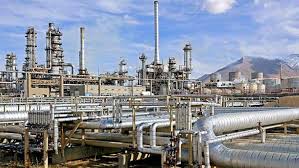
Critical stakeholders in the oil and gas industry have called for forensic audit of government owned refineries in order to achieve their quick rehabilitation and support other local refineries to sustain supply of finished products into the local market.
The reaction follows the recent visit of the group chief executive officer of the Nigerian National Petroleum Company Limited (NNPCL), Bayo Ojulari, to the Dangote Refinery that has also sparked widespread outrage among stakeholders in Nigeria’s petroleum sector.
Many have described the action as not taking into account possible ways of revamping old refineries and also considering that he has yet to pay similar visits to the government-owned refineries under his direct supervision.
Ojulari was appointed GCEO of NNPCL on 2 April 2025 by President Bola Ahmed Tinubu. Since assuming office, he has reportedly not visited the Kaduna, Warri, and Port Harcourt refineries. This omission raises serious concerns about leadership priorities and commitment to national assets entrusted to his care.
Stakeholders argue that touring a privately owned refinery while government refineries remain largely underperforming signals misplaced priorities.
The Port Harcourt, Warri, and Kaduna refineries are national assets funded by taxpayers and have consumed significant public resources for rehabilitation over the years, yet they continue to struggle operationally without visible high-level engagement.
Dr Joseph Obele, an energy expert and lecturer at Ignatius Ajuru University of Education, frowned at what he described as a troubling development. He noted that public officials must first demonstrate visible commitment to reviving government-owned facilities before celebrating partnerships with private enterprises.
“It is particularly disturbing that, nearly a year into his tenure, the GCEO has reportedly not visited the Port Harcourt Refinery. Instead, it is alleged that a directive to shut down the plant was issued from his office on 24 May 2025 without a personal inspection tour. Such action raises critical questions about accountability, leadership engagement, and institutional responsibility.”
“Public office demands transparency, equity, and unwavering dedication to national interest. When the head of a state-owned oil company prioritizes public appearances at a private refinery over engagement with government-owned facilities, it undermines public confidence and sends the wrong message to Nigerians.
“Visiting the government refineries would serve as a powerful moral booster to the workforce and contractors who have endured years of uncertainty. It would restore confidence, encourage productivity, and demonstrate hope to citizens that their national assets have not been abandoned.” Obele argued.
He said, in any nation where accountability is taken seriously, stakeholders argue that such conduct would warrant serious scrutiny and possible removal from office, adding that “Leadership must prioritize national assets before advancing private sector alliances.”
Consequently, Civil Society Groups are reportedly exploring legal options in calling for his sack. The demand is anchored on the principle that public officers must act in the best interest of the nation and remain visibly accountable to the people.
Obele therefore calls on President Bola Ahmed Tinubu to immediately relieve Mr. Bayo Ojulari of his position as GCEO of NNPCL in order to restore public confidence, demonstrate seriousness in governance, and reaffirm the administration’s commitment to protecting national assets.
While collaboration between NNPCL and Dangote Refinery may offer economic advantages, it must not overshadow the urgent responsibility to rehabilitate and operationalize government-owned refineries. Public trust depends on measurable progress in domestic refining capacity, fuel availability, and operational transparency.
Stakeholders therefore call on NNPCL leadership to provide a comprehensive public update on the operational status of Port Harcourt, Warri, and Kaduna refineries, prioritize direct inspection and engagement with government-owned refinery projects and reconsider any shutdown directives issued without transparent justification and in addition uphold the highest standards of accountability expected of public office holders.
“Nigeria’s energy security and economic sovereignty must remain paramount. Any action that appears to sideline national assets in favor of private interests risks eroding public trust and may justifiably attract calls for immediate corrective action.” Obele added.
We’ve got the edge. Get real-time reports, breaking scoops, and exclusive angles delivered straight to your phone. Don’t settle for stale news. Join LEADERSHIP NEWS on WhatsApp for 24/7 updates →
Join Our WhatsApp Channel