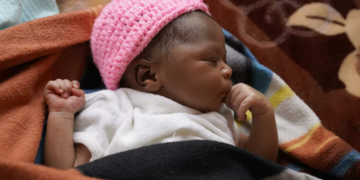
A recent report from the World Bank indicated that Nigeria’s levels of maternal and child mortality are among the highest in the world, with maternal mortality alone representing 20 per cent of the global burden.
This is just as the Executive Director of the National Primary Health Care Development Agency (NPHCDA), Dr Muyi Aina, noted that Nigeria loses about 2,300 under five-year-old children and 145 women of childbearing age every day. He raised the alarm that most of these deaths occur in the northern part of the country.
He also stated that too many Nigerian women still die from complications related to pregnancy and childbirth, and too many children fail to reach their fifth birthday due to preventable diseases.
This newspaper recognises the fact that while the country represents 2.4 per cent of the world’s population, more than half of the under-five deaths, 64 per cent, result from malaria, pneumonia or diarrhoea-related preventable deaths.
The leading causes of maternal mortality are Hypertension, Sepsis and haemorrhage, while anaemia in pregnancy, Human Immunodeficiency Virus (HIV), and Sickle Cell Disease are other contributory causes.
It is lamentable, in our view, that this figure has remained static over the years despite several interventions by the federal government to ameliorate the situation.
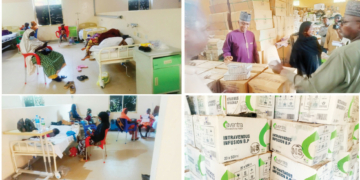
The widespread shortage of trained health workers and the lack of primary health care centres (PHCC) in some of the country’s 774 local government areas also contribute to the poor state of maternal and child health in Nigeria, especially in rural areas.
Nigeria’s constitution situates PHCCs under the purview of local government areas (LGAs), the third of the three tiers of government. However, many pregnant women still do not deliver at health facilities.
We recall that the federal government started the Midwives Service Scheme (MSS) in 2009 to temporarily re-distribute midwives from urban to rural communities to address the scarcity of skilled health workers in those communities.
Though the scheme was designed as a collaboration among federal, state, and local governments in the country, it was truncated due to the unwillingness of some state and local governments to take ownership of it and provide counterpart funding.
Following the MSS was the conditional cash transfer from Sure—P under former President Goodluck Jonathan, which allotted a cash grant of N10 000 to pregnant women to access Primary Health Care Centres for antenatal and delivery services.
Although investment in this sector was high in past years, the proportion of pregnant women and children able to access appropriate treatment remains low, hence the poor health outcomes.
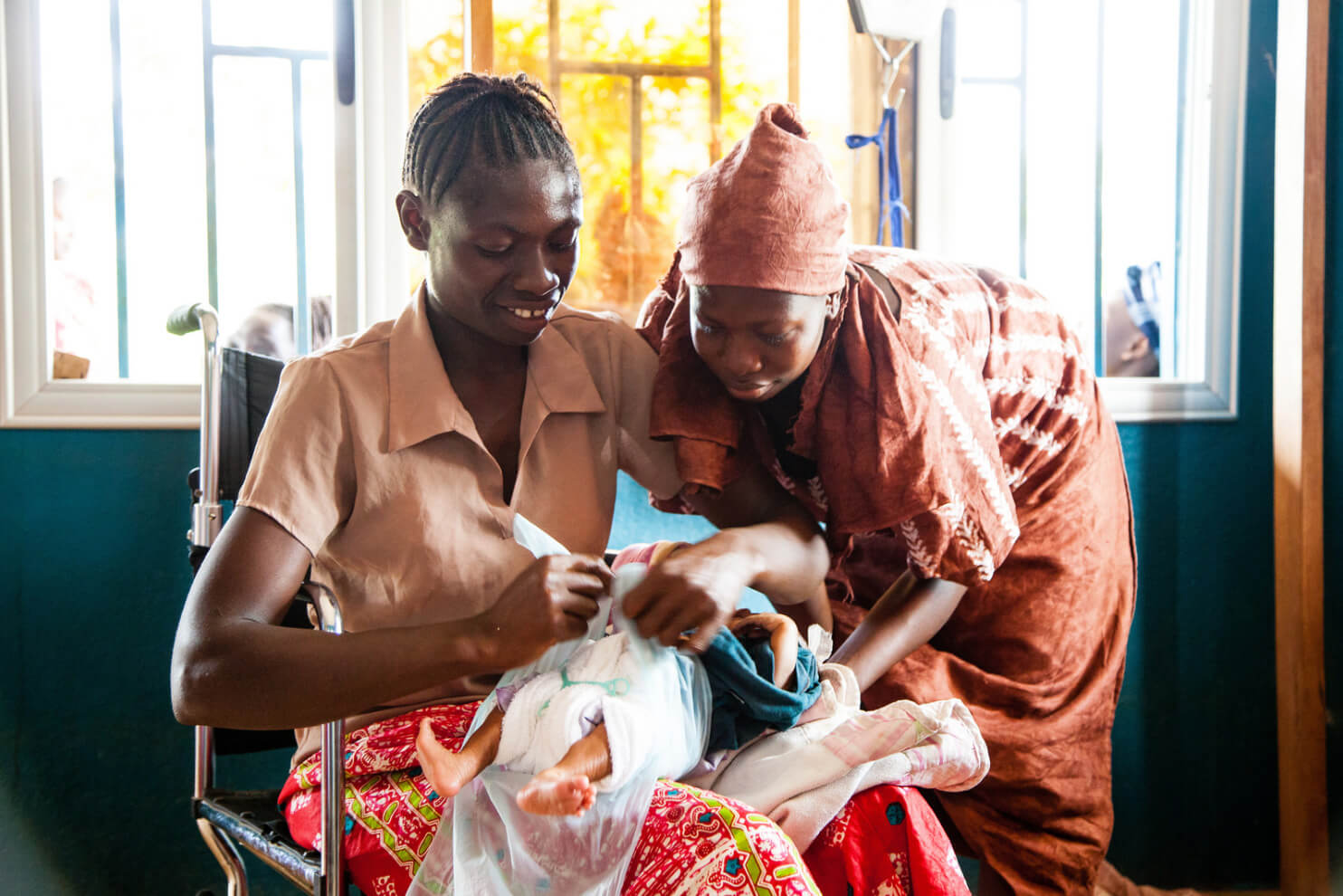
Presently, many women opt for home delivery because they claim they cannot afford the fees charged at the health facility. This may be partly true, but the reality is that sometimes people do not patronise the health facility mainly due to ignorance and not necessarily because of poverty.
It is important to ensure that every woman has access to antenatal care, that trained and skilled midwives deliver every pregnancy, and that every child completes their routine Immunisation according to the National schedule.
Dr Aina, while expressing his concerns about maternal and child mortality rates in the country, charged religious leaders to make renewed commitments to safeguard and promote vaccination and maternal and child health in the community.
He emphasised that religious leaders have the power to dispel myths, correct misinformation, and encourage positive health-seeking behaviours in their congregations.
In our opinion, to achieve progress, existing policies targeted at primary healthcare, such as the Primary Health Care Under One Roof (PHCUOR), Saving One Million Lives (SOML), and the Basic Healthcare Provision Fund (BHCPF), should be fully implemented across the country.
State governors wield enormous powers in their respective domains, and if they apply their hearts to it, they can facilitate the achievement of national health goals. Hence, there is a need for a strong partnership with a high sense of responsibility among the three tiers of government in this regard.
With the financial autonomy granted to the local government areas, there should be no more excuses as far as full operationalisation of the PHCCs under their purview is concerned.
We note that if states reprioritised their health policies, stopped building big general hospitals or fancy diagnostic centres and made commensurate expenditures on PHC, appreciable progress would benefit the majority.
We recognise that a nation’s health is intricately tied to the health of its women and children. So, we urge continued advocacy by religious and traditional leaders to reduce immunity gaps, support maternal and under-five mortality rates, decrease disease occurrence, and improve overall well-being, which aligns with the government’s renewed commitment through the Nigeria Health Sector Initiative.
We’ve got the edge. Get real-time reports, breaking scoops, and exclusive angles delivered straight to your phone. Don’t settle for stale news. Join LEADERSHIP NEWS on WhatsApp for 24/7 updates →
Join Our WhatsApp Channel