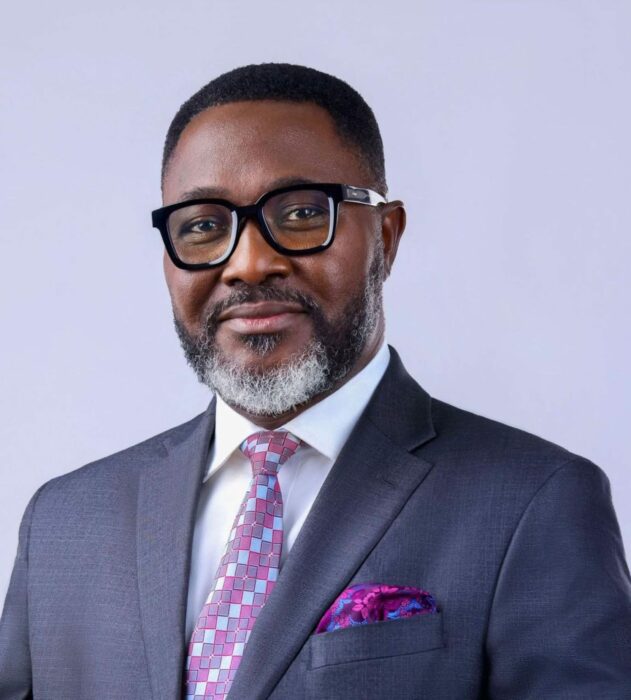
Africa’s energy challenge is not a lack of resources, but a lack of governance capable of converting oil, gas and renewable potential into reliable supply, investment and long-term growth, said energy expert, Sola Adebawo.
A World Oil publication has quoted Adebawo, an institutional strategy and public affairs leader with deep experience at the intersection of energy, governance, policy, and strategic communication, as saying that a fair energy transition for Africa will not be decided by how quickly solar capacity is installed or climate commitments are signed. It will be determined by whether governance systems can translate resources into reliable power, affordable access and inclusive economic growth.
The continent holds some of the world’s richest solar potential, vast wind corridors, major gas reserves, hydropower capacity and critical minerals, yet Africa still consumes less electricity per capita than almost any other region. Millions of homes remain unconnected, while industries depend on diesel and hospitals ration power.
Geology cannot explain this contradiction—institutions can.
According to him, For upstream operators and investors, governance defines whether projects reach completion or remain stalled, whether contracts are honored or disputed, and whether capital stays or exits the market.
He noted that Africa is not transitioning from abundance it is transitioning from scarcity.
In that reality, a fair transition must first deliver access, affordability and reliability. Climate responsibility matters, but development responsibility matters just as much.
“This is why governance sits at the center of Africa’s energy future.
Good governance does not replace capital—it attracts it. It does not generate power, it enables projects to survive political cycles, currency volatility and institutional uncertainty.”
Adebawo, stressing his point added, “Across the continent, the evidence is clear. Where regulation is predictable, projects move forward. Where procurement is transparent, financing costs fall. Where institutions are independent, investor confidence grows. Kenya’s clean energy progress, Senegal’s improving power sector credibility and Uganda’s hydropower expansion all reflect institutional discipline as much as resource potential.”
In his opinion, Public budgets alone will not fund Africa’s energy transition. Private capital is essential—and it responds only to credibility. When policies shift midstream, investment retreats. When contracts are overridden, confidence collapses. Governance is therefore a prerequisite for sustained energy development.”
He argued that, “A just transition also requires balance. Africa’s energy transition cannot precede prosperity, and hydrocarbons remain essential to achieving it. Natural gas, in particular, plays a critical role as a transition fuel, supporting grid stability and industrial growth.”
He added, “When effectively governed, oil and gas revenues can fund renewable deployment, grid expansion, education and healthcare. The fairness of the transition depends less on the resource mix than on how revenues are managed and reinvested.
He described just transition is one where renewables expand access, gas stabilizes power systems,oil revenues support diversification, local capacity is developed and communities see lasting benefit
He says that Africa should not be expected to bypass development pathways that other regions followed using the same resources now under scrutiny. The transition must reflect both historical context and future needs.
Governance ultimately comes down to leadership—leadership that protects institutions, resists short-term political pressure and recognizes that energy is foundational to economic stability.
According to Adebawo, Africa’s energy wealth is real. But that wealth becomes broad-based prosperity only when governance translates it into opportunity.
Resources alone will not deliver development. Only governance, focused on execution and accountability, can enable that transformation.
Africa does not reject the energy transition—but it requires one grounded in fairness, development and effective governance.”
We’ve got the edge. Get real-time reports, breaking scoops, and exclusive angles delivered straight to your phone. Don’t settle for stale news. Join LEADERSHIP NEWS on WhatsApp for 24/7 updates →
Join Our WhatsApp Channel