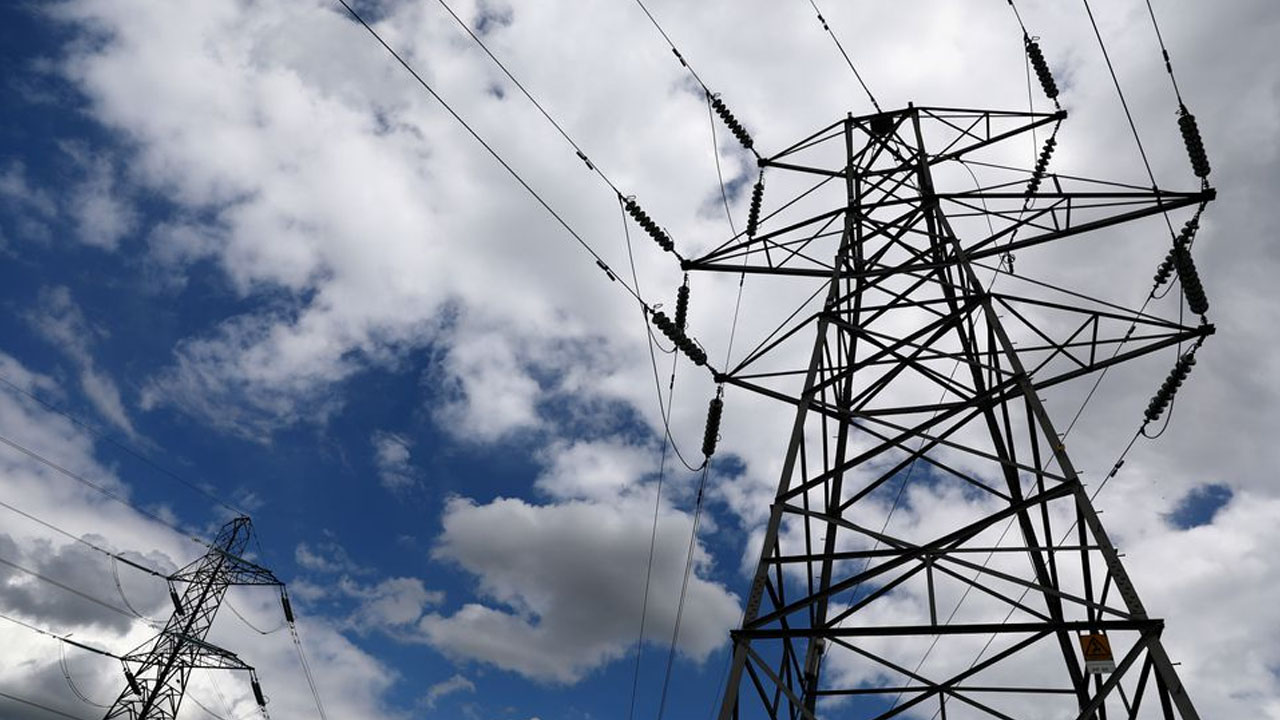
The Nigerian Independent System Operator (NISO) has confirmed that Nigeria’s national electricity grid suffered a collapse, resulting in a total outage across the interconnected network,
In a preliminary statement issued on Friday, NISO said the grid suffered a system-wide disturbance on Friday, January 23, 2026, that occurred at about 12:40 p.m., when multiple 330kV transmission lines tripped simultaneously, alongside the disconnection of some grid-connected generating units. The combined failures led to the collapse of the national grid.
LEADERSHIP reports that the company was plunged into widespread darkness on Friday following the collapse of the national electricity grid, the first such incident recorded in 2026.
The system failure occurred around 1 pm, when load allocation to all electricity distribution companies (DisCos) fell to zero.
Data obtained from the NISO showed that power generation dropped to zero megawatts (MW), leading to a total shutdown of electricity supply across the country.
A review of the national distribution load profile at the time of the incident indicated that all DisCos — including Abuja, Eko, Benin, Enugu, Ibadan, Ikeja, Jos, Kano, Kaduna, Port Harcourt and Yola — recorded zero load, confirming a nationwide outage.
The collapse came shortly after grid operators reported strong electricity demand in major urban centres.
Before the system failure, Abuja Electricity Distribution Company was receiving about 639 MW, while Ikeja Electric drew approximately 630 MW, reflecting what officials described as robust demand across key cities.
Confirming the incident, NISO stated that grid restoration activities commenced at approximately 1:15 p.m., in line with established restoration and recovery procedures.
As of the latest update, electricity supply has been restored to several locations, including Abuja, Osogbo, Benin, Onitsha, Sakete, Jebba, Kainji, Shiroro, and parts of Lagos.
NISO noted that restoration efforts are ongoing and being carried out progressively in other parts of the country to ensure full recovery of supply.
The operator further stated that a detailed investigation into the root and contributory causes of the disturbance is currently underway, assuring the public that the full restoration and stabilisation of the national grid remains a top operational priority.
The management of NISO appealed for public understanding as technical teams continue working to restore normal power supply nationwide.
Electricity Distribution Companies (DisCos) in the south West states have confirmed gradual restoration of electricity supply to customers.
Spokesman of Ikeja Electric Kingsley Okotie, told LEADERSHIP that some feeders have already received supply as he assured customers that efficiency will be improved soon.
Okotie said the company engineers have been mobilized to thoroughly ensure safety of assets as supply returns from the grid.
Electricity generation reportedly dropped sharply from over 4,500 megawatts to as low as 24 megawatts at about 1:30 p.m. during the incident.
All 23 power generation plants connected to the national grid were said to have lost output, resulting in zero power allocation to each of the country’s 11 electricity distribution companies.
This is the first grid collapse recorded in 2026, coming barely weeks after a similar incident on December 29, 2025, which also triggered widespread power outages across the country.
Nigeria has continued to struggle with grid stability and reliable electricity supply due to a combination of technical faults, inadequate maintenance of transmission infrastructure, and fluctuations in generation capacity.
Stakeholders have repeatedly called on the government and power sector operators to implement robust contingency measures to prevent recurring system failures.
We’ve got the edge. Get real-time reports, breaking scoops, and exclusive angles delivered straight to your phone. Don’t settle for stale news. Join LEADERSHIP NEWS on WhatsApp for 24/7 updates →
Join Our WhatsApp Channel