Recently, a Professor of Social Gerontology, Gender and Development Studies at Lagos State University, Olanrewaju Ajiboye, warned that approximately 25 million elderly Nigerians could be at severe risk of poverty and inadequate support by 2050.
Nigeria currently has over 14.8 million people aged 60 and above, representing about five per cent of the population, although this figure is expected to rise significantly in the coming decades.
However, the 2025 United Nations (UN) data ranking Nigeria’s life expectancy at 54.9 years—one of the lowest globally—underscores the relatively small proportion of senior citizens.
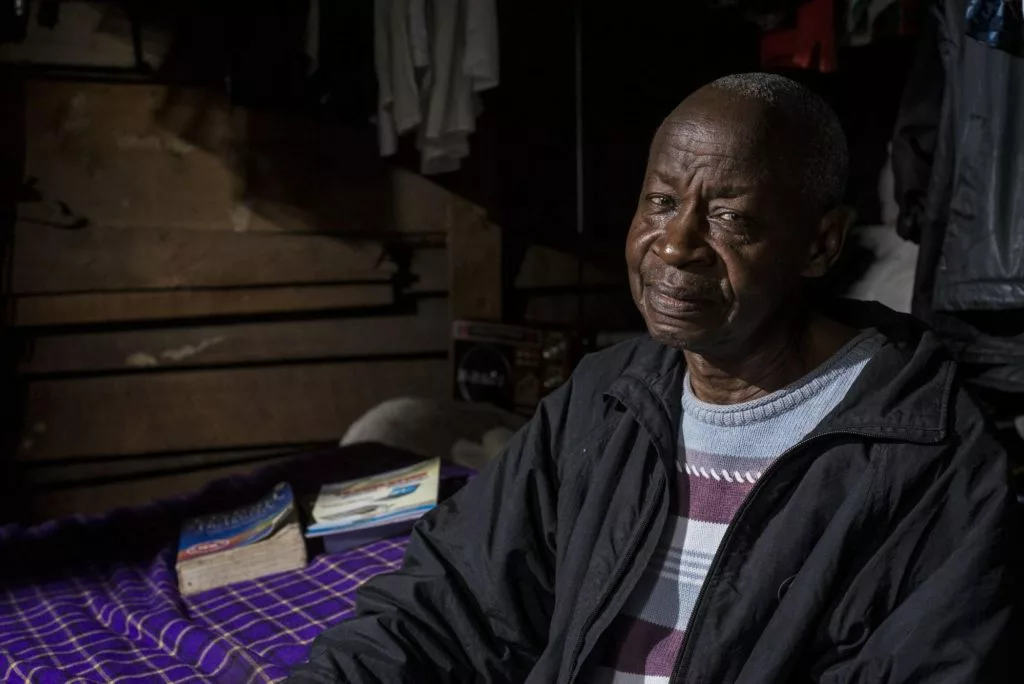
In a country celebrated for its youthful population, the struggles of older citizens are frequently pushed to the margins, despite their role as the generation that laid the foundation for the nation’s present. The situation of the elderly in Nigeria is shaped by demographic, economic, social and institutional factors.
While strong family bonds and community traditions continue to support many older people, shifts in family structures, gaps in social protection, limited healthcare capacity for chronic and geriatric conditions, and widespread economic vulnerability pose serious risks.
Ajiboye attributes the worsening conditions of older Nigerians to pervasive poverty, weak social security systems and the gradual erosion of the traditional extended family structure.
According to the World Bank’s Nigeria Development Update (April 2025), the poverty rate rose to 63 per cent, affecting approximately 140 million people, with older persons among the hardest hit.
Although Nigerian society has traditionally placed great value on respect and care for the aged, many elderly citizens now face neglect, poverty and isolation.
Ageing in Nigeria is occurring against a backdrop of socio-economic hardship and rapid transformation of the family system that once catered for older persons.
Approximately 64 per cent of Nigeria’s older population resides in rural areas, where they rely heavily on family care due to limited government support.
One of the most pressing challenges facing the elderly is economic insecurity.
Unlike in many developed countries, Nigeria lacks a comprehensive social welfare system for retirees. Pension schemes, where they exist, are often plagued by delays, inefficiency and corruption.
Many retirees spend years pursuing unpaid pensions, enduring long queues and bureaucratic bottlenecks; tragically, some die in the process.
The Bureau of Public Service Reforms (BPSR), in its April 2026 report, indicates that between 40 and 49 per cent of public servants die shortly after retirement due to stress, poverty and the non-payment of benefits. Similarly, a March report last year revealed that over 100 employees of the New Nigerian Newspapers died while awaiting their entitlements.
For those in the informal sector—which constitutes a significant portion of Nigeria’s workforce—retirement often means a complete loss of income.
Consequently, many elderly individuals are forced to continue working under physically demanding conditions or depend on charity for survival.
Ageing also brings increased vulnerability to chronic illnesses such as hypertension, diabetes and arthritis. Yet access to affordable and quality healthcare remains limited. Public health facilities are underfunded and overcrowded, while private healthcare services are prohibitively expensive for most elderly citizens.
The absence of a robust health insurance system tailored to older people further exacerbates their plight. In rural areas, the situation is even more severe, with inadequate medical infrastructure and a shortage of healthcare professionals.
The burden on younger generations is also significant.
The pressure to care for ageing parents, combined with economic hardship, has contributed to rising social strain. In some cases, it has driven desperate and unlawful coping mechanisms, while also fuelling the “japa” phenomenon, as many young Nigerians migrate abroad in search of better opportunities.
In recognition of the importance of older persons, the United Nations designated 1 October as the International Day of Older Persons.
Nigeria has taken some steps, including the enactment of the National Senior Citizens Act, 2017, which established the National Senior Citizens Centre (NSCC) to promote the welfare and social inclusion of older citizens.
The NSCC has urged state governments to domesticate the Act, and progress has been recorded in some states. For instance, on 27 May 2025, Abia State Governor Alex Otti signed into law provisions guaranteeing residents aged 60 and above access to free medical care, monthly stipends and other welfare benefits.
However, much remains to be done. It is unclear how many states have fully implemented the Act, and the pace of adoption remains slow.
In our view, improving the wellbeing of Nigeria’s elderly population will require coordinated policy action, expanded social protection, strengthened healthcare systems and partnerships with community organisations. Only then can ageing Nigerians live with dignity, security and meaningful social participation.
We’ve got the edge. Get real-time reports, breaking scoops, and exclusive angles delivered straight to your phone. Don’t settle for stale news. Join LEADERSHIP NEWS on WhatsApp for 24/7 updates →
Join Our WhatsApp Channel