The alarming spike in Lassa fever cases across Nigeria demands urgent attention and a more robust response from all stakeholders.
With 9,492 suspected cases, 1,154 confirmed infections, and 190 deaths reported this year alone, the situation has reached a critical point that can no longer be addressed with routine interventions. More concerning is the 13 percent case fatality rate, which indicates serious gaps in early detection and treatment.
The concentration of 89 percent of confirmed cases in just six states – Ondo, Edo, Bauchi, Taraba, Benue, and Ebonyi – reveals a pattern that should have informed more targeted preventive measures long ago. That 10 local government areas account for half of all confirmed cases further demonstrates the need for focused intervention strategies.
This clustering of cases suggests that despite years of dealing with Lassa fever outbreaks, we have failed to develop effective containment strategies in known endemic areas.
While the Nigeria Centre for Disease Control and Prevention (NCDC) deserves credit for expanding testing laboratories from nine to 13 and distributing medical supplies nationwide, these reactive measures highlight a fundamental flaw in our approach to public health emergencies.
In the considered opinion of this newspaper, the recurring nature of Lassa fever outbreaks demands a shift from crisis response to sustained preventive action. The current situation is a testament to our failure to learn from previous outbreaks and implement lasting solutions.
The NCDC’s activation of the Emergency Operations Centre and categorisation of the risk as “High” is a necessary step, but it also underscores a troubling pattern of waiting until cases spike before mounting an emergency response.
This reactive approach has proven insufficient year after year, and the consequences are reflected in the consistently high fatality rates.
In our view, what Nigeria needs is a proactive strategy that addresses the root causes of Lassa fever transmission, particularly in endemic areas.
The current outbreak raises serious questions about our public health infrastructure and preparedness.
Why do we continue to see such high numbers of cases in the same geographical areas? What measures have been taken to address the environmental and socioeconomic factors that contribute to the spread of the disease? The answers to these questions should inform a comprehensive, year-round prevention strategy.
The geographical concentration of cases in specific local government areas, including Owo, Etsako West, Esan West, Kirfi, Ardo-Kola, Toro, Ose, Akure South, Jalingo and Idah points to persistent environmental and social factors that facilitate the disease transmission.
These areas likely share common characteristics – poor sanitation, inadequate healthcare facilities, and traditional practices that increase exposure risk – that have not been adequately addressed by current intervention strategies.
The distribution of medical supplies and infection prevention materials, while necessary, represents a band-aid solution to a problem that requires major surgery.
Nigeria’s approach to Lassa fever control must evolve from merely responding to outbreaks to implementing sustained, community-level interventions that address the disease’s root causes.
One critical area requiring immediate attention is the strengthening of primary healthcare systems in endemic areas. The high case fatality rate suggests that many patients either seek treatment too late or receive inadequate care when they do present at health facilities. This points to gaps in both community awareness and healthcare delivery capacity that must be urgently addressed.
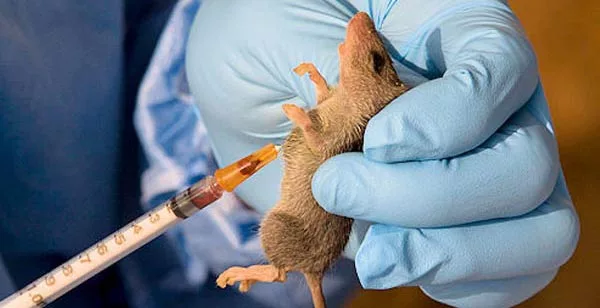
Moving forward, several critical steps must be taken. First, there must be sustained investment in environmental sanitation and rodent control in endemic areas. The presence of the disease-carrying rodents in communities is not inevitable; it is a result of poor environmental management and inadequate waste disposal systems.
Second, public health education must be intensified to help communities understand and implement preventive measures.
Third, health facilities in high-risk areas must be adequately equipped and staffed year-round, not just during outbreaks.
The federal government must also address the broader issues of poor housing, inadequate waste management, and food storage practices that create favourable conditions for rodent infestation.
The local governments, being closest to the communities, should be empowered and held accountable for maintaining clean environments and implementing robust pest control measures.
Furthermore, research into Lassa fever must be prioritised. While we have made progress in diagnostic capabilities, we need better understanding of transmission patterns, viral mutations, and potential reservoirs to develop more effective control strategies.
The current situation presents an opportunity to gather valuable data that could inform future interventions.
The NCDC’s collaboration with state health commissioners is a step in the right direction, but it must be accompanied by substantial resource allocation and clear accountability measures. The regular training sessions and webinar series mentioned by the NCDC director-general must translate into tangible improvements in disease surveillance and response capabilities at the local level.
As Nigeria grapples with this outbreak, it is crucial to remember that Lassa fever is not just a health crisis but a reflection of broader societal challenges. The recurring nature of these outbreaks points to systemic failures in our public health system and environmental management practices.
Until we address these underlying issues comprehensively and sustainably, we will continue to chase outbreaks rather than prevent them. The time for transformative action is now, and it must begin with a fundamental shift in how we approach disease prevention and control at all levels of governance.
We’ve got the edge. Get real-time reports, breaking scoops, and exclusive angles delivered straight to your phone. Don’t settle for stale news. Join LEADERSHIP NEWS on WhatsApp for 24/7 updates →
Join Our WhatsApp Channel