In some primary and secondary schools in Nigeria, it is called Nativity Day while in others, it is Cultural Day celebrations.
It is a day every pupil and student of a Nigerian primary and secondary school looks forward to see and be a part as it allows display of local talent and cultural display. It also affords one to meet dignitaries who usually gathered at such events.
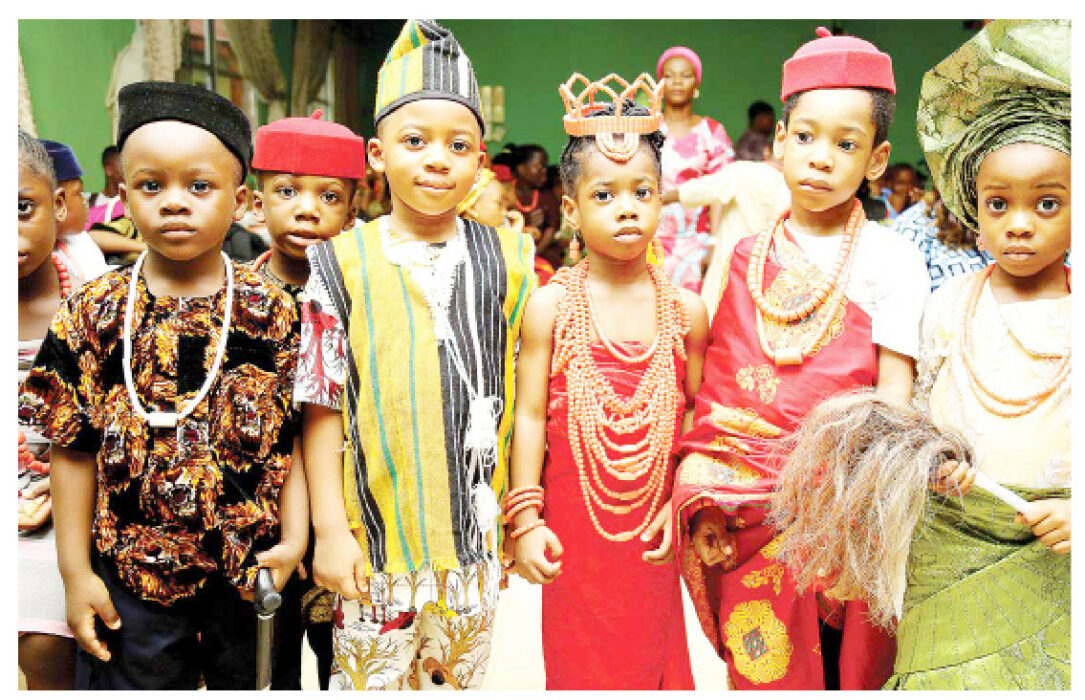
Added to the above, is the opportunity it offers on to wear his or her traditional attires. Moreover, those nominated to play the roles of kings and queens of the day, are well-attired as parents try to outdo one another by making their children to look or appear best.
Similarly, cultural days have become a vibrant platform for preserving communities’ rich and diverse heritage.
All over the country, students, teachers and parents come together once in a year to showcase traditions, customs and values that define the various ethnic groups in Nigeria.
Cultural days are specially marked by colourful displays, as they feature students dressed in traditional attire representing cultures such as Yoruba, Hausa, Igbo, Efik, Tiv, Edo and many others. The school environment is often transformed into a mini-cultural festival, with exhibitions of local cuisines, music, dance and art. From the rhythmic beats of talking drums to energetic cultural dances, the atmosphere is often lively and educational as some schools go beyond their pupils and students to invite traditional dancers and singers from their host communities beyond.
Beyond the festivities, Cultural Day serves as an important learning experience. It provides students with the opportunity to appreciate cultural diversity and promotes unity in a multi-ethnic society. Through drama presentations, storytelling and debates, students learn about the history, beliefs and practices of different communities, fostering mutual respect and understanding.
School authorities often emphasise the role of Cultural Day in character development. According to educators, the event instills pride in students about their roots and helps counter the growing influence of foreign cultures. It also encourages creativity, as students actively participate in planning performances, preparing traditional dishes and designing cultural displays.
Parents and guardians are not left out of the celebration. Many attend the event to support their children and, in some cases, contribute by providing traditional outfits or food items. Their involvement strengthens the bond between the school and the community.
However, some stakeholders have called for improvements in how Cultural Day is organised. They advocate for deeper educational content, rather than mere entertainment, and stress the need for inclusivity to ensure that no culture is underrepresented.
In a rapidly globalising world, Cultural Day in Nigerian primary/secondary schools remains a vital tool for preserving identity and promoting national unity. By celebrating their roots, students are better equipped to understand who they are and to contribute meaningfully to the development of the nation.
We’ve got the edge. Get real-time reports, breaking scoops, and exclusive angles delivered straight to your phone. Don’t settle for stale news. Join LEADERSHIP NEWS on WhatsApp for 24/7 updates →
Join Our WhatsApp Channel