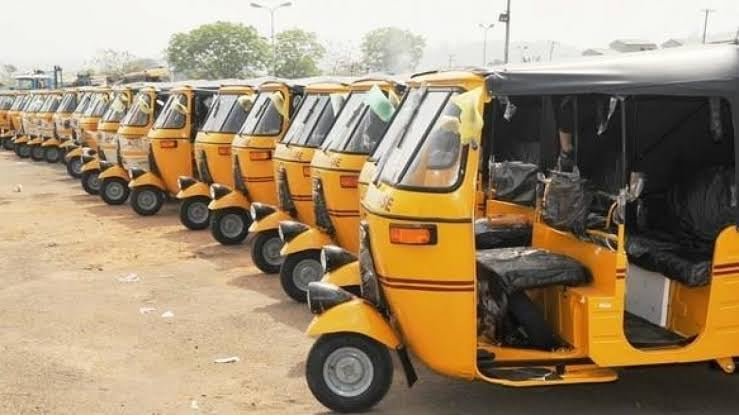
Keke Napep, the three-wheeled tricycle, is a child of necessity in Nigeria. Since its entry into the transport sector 25 years ago, it has gradually revolutionised rural and urban mobility, bringing amazing economic and social benefits.
While it may not have provided sufficient comfort, especially for its passengers, it has created job opportunities for the operators and addressed the inadequacy of conventional public transit.
The federal government under former President Olusegun Obasanjo introduced the National Poverty Eradication Programme (NAPEP) in 2001—an initiative that would give rise to “Keke Napep”, now one of the most recognisable features of Nigerian streets.
The programme facilitated the distribution of commercial tricycles to promote job creation and poverty reduction. Manufactured largely by companies such as Bajaj Auto, the tricycles provided an affordable and efficient alternative to motorcycles and taxis, especially in congested urban centres.
The impact was swift and far-reaching. Thousands of unemployed youths found a source of livelihood through tricycle operations. With relatively low entry costs and flexible ownership schemes, “Keke Napep” became a tool of economic empowerment. It also improved last-mile connectivity, navigating narrow and poorly maintained roads where buses and cars struggled to operate.
Reports by the defunct National Poverty Eradication Programme (NAPEP), National Bureau of Statistics (NBS) and World Bank Urban Transport Studies showed that the tricycle economy has spurred ancillary businesses—mechanics, spare parts dealers, fuel vendors, and daily ticketing agents —benefitting from the expanding sector.
Everywhere in Nigeria, “Keke Napep” has reshaped mobility patterns and reduced commuting time for thousands.
Despite this impressive performance, it has come with several challenges: traffic congestion, traffic offences, recurring accidents and the escalation of crimes, such as robbery and kidnapping.
These have forced some state and local governments to impose restrictions or outright bans in certain areas. Despite this, the tricycle remains a vital component of Nigeria’s informal transport network.
We’ve got the edge. Get real-time reports, breaking scoops, and exclusive angles delivered straight to your phone. Don’t settle for stale news. Join LEADERSHIP NEWS on WhatsApp for 24/7 updates →
Join Our WhatsApp Channel