
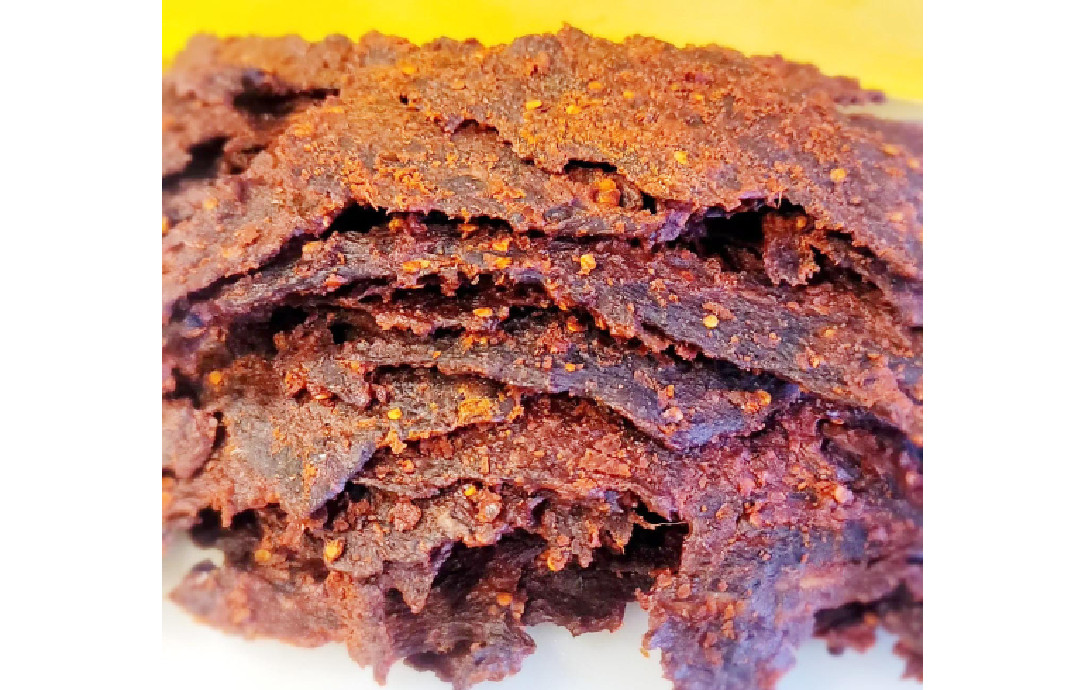
In Nigeria, the influx of modern snacks and fast foods has not eroded the feelings and taste lovers of ‘kilishi’ to it. In fact, it has remained one of the country’s most cherished traditional delicacies. Known for its rich flavour and long shelf life, the dried meat snack continues to enjoy popularity among Nigerians of different backgrounds.
For travellers returning from the north to the south, it is a treasured gift item to family members. Mothers and children grabbed it with excitement, when their husbands and fathers present it to them, upon return such trips.
‘Kilishi’, a delicacy is made from thinly sliced meat—usually beef—that is carefully dried and coated with a spicy mixture of groundnuts, pepper and other local spices. The preparation process, which requires patience and skill, has been passed down through generations.
Historically linked to the Hausa culture, ‘kilishi’ is believed to have evolved from an older dried meat product known as ‘Kundi’. In the process of time, local processors refined the method by adding a rich paste of groundnut and spices, creating the distinctive taste that ‘kilishi’ is known for today.
In many northern cities such as Kano, Maiduguri and Sokoto, ‘kilishi’ production has grown into a thriving small-scale industry. Roadside vendors, market traders and specialised processors prepare the snack daily, attracting customers from across the country.
The snack has become a common sight at motor parks, airports and busy markets, where travellers often buy it as a gift for friends and relatives. Because it can last for weeks without refrigeration, ‘kilishi’ is also a preferred travel snack.
Many consumers say its unique taste keeps them coming back. “Whenever I travel to the core North, I make sure I buy ‘kilishi’,” a trader in Onitsha, Anslem Okeke, said, adding that, “It has a flavour you can hardly find in other snacks.”
Food experts note that ‘kilishi’s continued popularity lies in its combination of traditional preparation methods and its rich protein content. Unlike many processed snacks, it is made largely from natural ingredients.
In recent years, efforts have been made to package ‘kilishi’ in more hygienic and attractive ways for wider distribution. Some producers seal the product in branded packs and supply supermarkets in major cities.
Despite competition from imported snacks and modern fast foods, ‘kilishi’ remains a favourite for many Nigerians. For lovers of traditional cuisine, the spicy strips of dried meat continue to represent not just a snack, but a taste of cultural heritage that has endured through generations.
We’ve got the edge. Get real-time reports, breaking scoops, and exclusive angles delivered straight to your phone. Don’t settle for stale news. Join LEADERSHIP NEWS on WhatsApp for 24/7 updates →
Join Our WhatsApp Channel