
• Hausa Edition
  • Podcast
  • Conferences
  • LeVogue Magazine
  • Business News
  • Print Advert Rates
  • Online Advert Rates
  • Contact Us
Friday, June 5, 2026
Leadership Newspapers
No Result
View All Result
  • Home
  • News
  • Politics
  • Business
  • Sport
    • Football
  • Health
  • Entertainment
  • Education
  • Opinion
    • Editorial
    • Columns
  • Others
    • LeVogue Magazine
    • Conferences
    • National Economy
  • Contact Us
Hausa Edition
  • Home
  • News
  • Politics
  • Business
  • Sport
    • Football
  • Health
  • Entertainment
  • Education
  • Opinion
    • Editorial
    • Columns
  • Others
    • LeVogue Magazine
    • Conferences
    • National Economy
  • Contact Us
No Result
View All Result
Leadership Newspapers
No Result
View All Result

THINGS REMEMBERED: The Chalkboard: When Learning Was Written In Dust

Ngozi Ibe by Ngozi Ibe
5 months ago
in Feature
chalkboard
Share on WhatsAppShare on FacebookShare on XTelegram

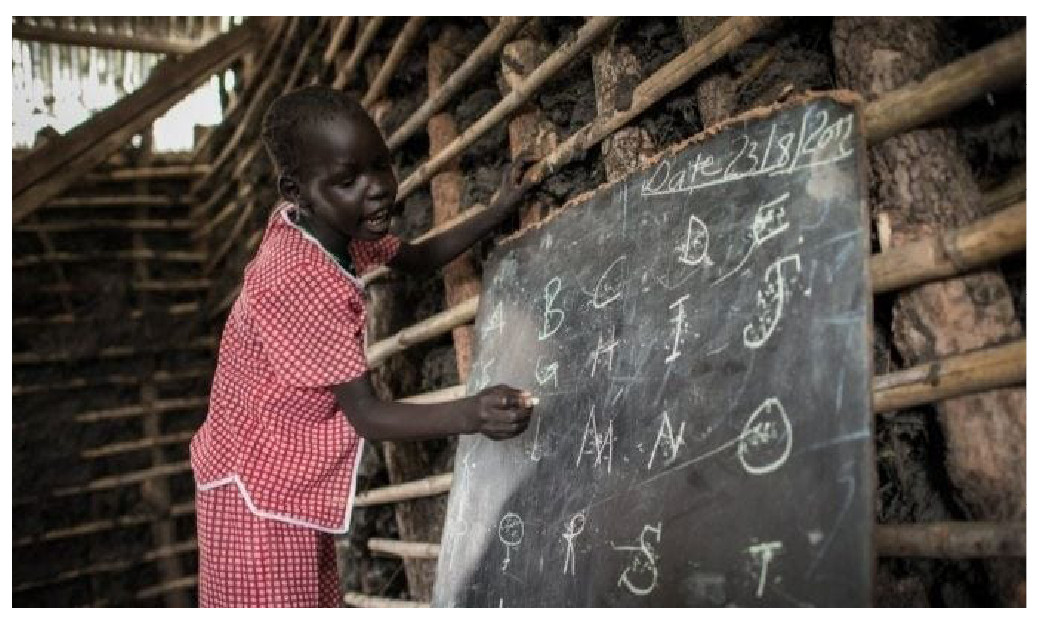
Before projectors, smart boards and digital tablets took over the classrooms, learning was on the chalkboard. It stood firmly at the front of the room, green or black, slightly cracked at the edges and always coated with a thin layer of white dust, which gave us extra after-school work of recoating it black with charcoal.

Every lesson began and ended there. Words were written carefully, erased hurriedly and rewritten again, as knowledge passed from teachers to pupils/students in chalky strokes.

For decades, the chalkboard was the centre of formal education worldwide. Educational history records show that chalkboards became standard classroom tools in the 19th Century, spreading rapidly across Europe, Asia and Africa as mass education systems expanded.

Their appeal was simple: they were affordable, reusable and effective. A single board could teach dozens of students at once, making it an essential tool in public education. Younger ones came up to use the same classrooms and boards as their senior siblings.

In Nigerian classrooms, the chalkboard carried authority. Teachers wrote with purpose, often underlining key points, while students copied the lines into their notebooks. Mistakes were corrected publicly; diagrams were drawn with quick precision and examination topics were sometimes hinted at with an extra tap of chalk against the board.

According to archival reports from UNESCO on education in developing countries, chalkboards remained dominant well into the late 20th Century due to limited access to electricity and teaching technology. Even to this day, some rural schools still use the chalkboards.

Over time, the chalkboard began to fade. Whiteboards replaced chalk with markers; digital boards replaced both with screens. Education systems modernised, driven by technology and efficiency. World Bank education data shows that by the early 2000s, classrooms globally were transitioning toward digital learning tools, especially in urban centres. Still, in many rural schools, chalkboards remain in use, quietly resisting extinction.

RELATED NEWS

Zaynab Alkali — The Trailblazing Voice Of Northern Nigeria

5 Famous Books That Were Rejected Before Becoming Classics

Sani Mu’azu: A Pillar Of Northern Nigerian Cinema

Remembering the chalkboard is remembering a time when learning was tactile and visible. When learning involved straining, stretching and dust from the chalk. Knowledge was written in dust, erased, rewritten again, reminding students that understanding came through patience and practice. In an age of instant information, the chalkboard remains a symbol of foundational learning, where education was once slow, deliberate and shared in plain sight. The chalkboard will stand tall as something dusty yet profound.


We’ve got the edge. Get real-time reports, breaking scoops, and exclusive angles delivered straight to your phone. Don’t settle for stale news. Join LEADERSHIP NEWS on WhatsApp for 24/7 updates →

Join Our WhatsApp Channel

Nigerians can invest ₦2.5million on premium domains and earn about ₦17-25Million. Earnings in USD. Rather than wonder, click here to find out how it works
Ngozi Ibe

Ngozi Ibe

Ngozi Ibe is a Reporter with Leadership Newspaper, specialising in lifestyle, culture, and human-interest reporting. She is known for in-depth features that offer thoughtful insight into society, identity, and everyday experiences, earning her a reputation as a trusted and authoritative voice on her beat.

OTHER NEWS UPDATES

Zaynab Alkali — The Trailblazing Voice Of Northern Nigeria
Feature

Zaynab Alkali — The Trailblazing Voice Of Northern Nigeria

5 hours ago
5 Famous Books That Were Rejected Before Becoming Classics
Feature

5 Famous Books That Were Rejected Before Becoming Classics

6 hours ago
Sani Mu’azu: A Pillar Of Northern Nigerian Cinema
Feature

Sani Mu’azu: A Pillar Of Northern Nigerian Cinema

11 hours ago
Next Post
HOW I OVERCAME: Joyce Imasuen: Defied Blindness To Emerge As Law Graduate

HOW I OVERCAME: Joyce Imasuen: Defied Blindness To Emerge As Law Graduate

Advertisement

LATEST UPDATE

ICAN President Mandates Accountants To Drive Nigeria’s Economic Transformation, 

18 minutes ago

NDC Defends Primaries, Denies Candidate Imposition, Electoral Irregularities

22 minutes ago

Insecurity Has Become Commercial Venture In Nigeria –Ehilebo

23 minutes ago

Kogi Police Reaffirm Commitment To Safer Schools Initiative, Deepen Stakeholder Collaboration

26 minutes ago

Bala Mohammed Endorses Bago For Progressive Governors’ Forum Chairmanship

28 minutes ago
Load More
Advertisement
Facebook Twitter Instagram Youtube Whatsapp

© 2026 LEADERSHIP Media Group - All Rights Reserved | Hausa | Online Casino.

No Result
View All Result
  • Home
  • News
  • Politics
  • Business
  • Sport
    • Football
  • Health
  • Entertainment
  • Education
  • Opinion
    • Editorial
    • Columns
  • Others
    • LeVogue Magazine
    • Conferences
    • National Economy
  • Contact Us

© 2026 LEADERSHIP Media Group - All Rights Reserved | Hausa | Online Casino.