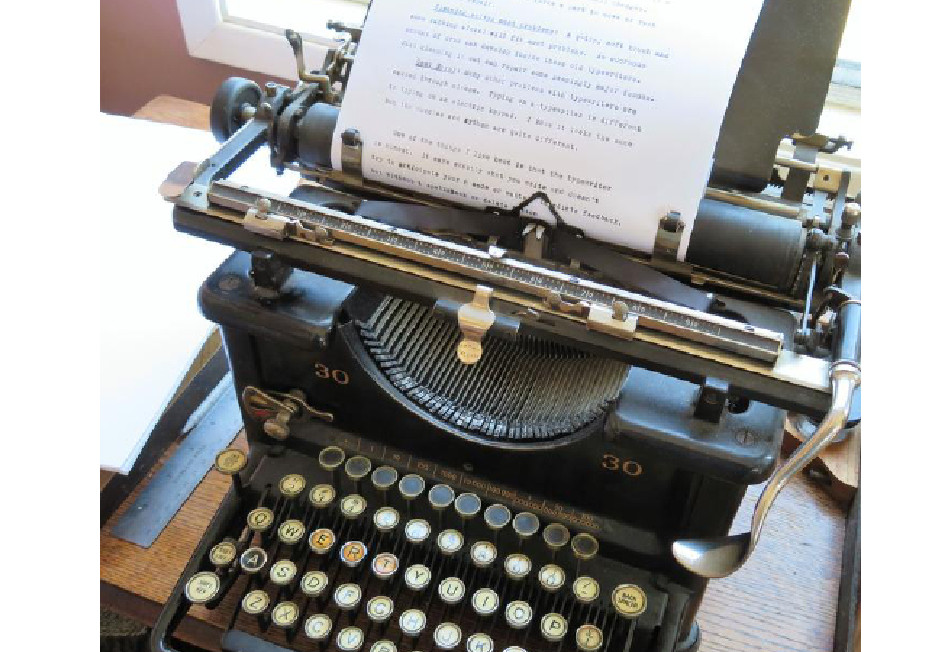
Before laptops and digital screens took over, a machine – the typewriter – once defined the soundscape of offices, newsrooms and homes globally. It was very simple to use and manage. It had no business with power failure or internet glitches. It simply worked seamlessly.
Since its invention in the 19th century and wider use in the 20th century, the typewriter has revolutionised communication. It transformed writing from a labourious handwritten task into a faster, more legible craft.
For journalists, it was a trusted companion; for authors, a creative partner; and for clerks, a daily tool of trade. Every keystroke demanded intention—there was no delete button, no spellcheck, only discipline and precision.
Records in the public and private spaces in Nigeria showed that the typewriter held a special place in the golden age. Government offices echoed with its cadence, while newspaper houses relied on it to produce stories that informed and shaped public opinion. To own or master a typewriter was once a mark of professionalism and skill.
Yet, beyond its function, the typewriter carried a certain romance. Letters typed on its keys bore a personal touch—each slight imperfection a reminder of human effort. The ink ribbon, the careful alignment of paper, and the deliberate pressing of keys created a tactile connection between writer and word that modern devices often lack.
Today, it has faded into nostalgia, replaced by sleek and efficient technology. Still, it endures in memory as a symbol of a slower, more deliberate era—one where writing was as much a physical act as it was an intellectual one.
We’ve got the edge. Get real-time reports, breaking scoops, and exclusive angles delivered straight to your phone. Don’t settle for stale news. Join LEADERSHIP NEWS on WhatsApp for 24/7 updates →