
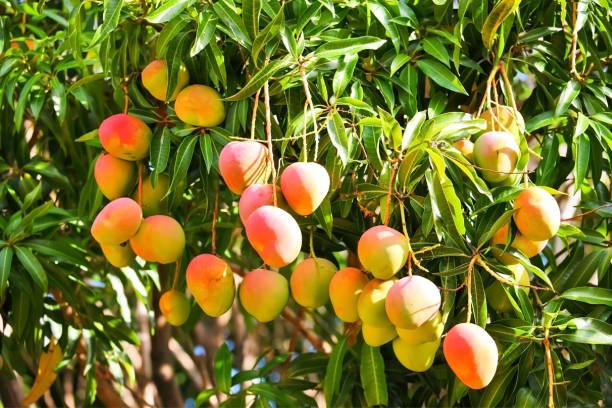
With growing demand for both fresh and processed mango, investors can tap into a highly profitable agribusiness opportunity.
Investing in mango cultivation and its numerous value chains is a wise decision, especially as the seasonal fruit continues to attract strong consumer interest across Nigeria.
A single mango tree, once it reaches 18 years and above, can yield between 300 and 600 fruits annually, making mango farming a potentially lucrative venture.
For investors looking into value chains,from plantation to processing, it’s important to note that mango trees take 7- 8 years to mature before producing fruit. During this period, managing the farm may require hiring additional labor to maintain the land and ensure proper cultivation.
For small-scale investors, planting mango trees within your compound can be a start while larger-scale plantations, however, will require more land.
With Nigeria experiencing a boom in the hospitality and food service sectors, the demand for mangoes, whether for direct consumption or conversion into juices, has steadily increased.
Several states across Nigeria, including Edo, Benue, Kaduna, Jigawa, Plateau, Yobe, Kebbi, Niger, Kano, Bauchi, Adamawa, Taraba, Oyo, and Anambra, are major mango-producing areas where investors can source supplies.
According to Mr. Wale Oluyomi, an Ondo State civil servant and avid agriculturist, investors can explore multiple mango value chains.
Besides the fruit, mango leaves have additional uses, which further strengthen the investment potential. With a starting capital of around N100,000, an investor could potentially earn up to N1 million within two weeks by trading mangoes or engaging in related value chains.
Mango trees thrive in various soil types and climates but perform best in sandy-loamy soil. Investors can focus on both direct and indirect sales. Some pharmaceutical companies, for instance, use mangoes in their production processes.
Moreover, mango leaves are rich in beneficial compounds and are traditionally used to manage blood sugar levels, lower blood pressure, support respiratory health, and promote skin and hair wellness. This adds another revenue stream for investors.
For market strategy, Oluyomi advises: “After harvesting, identify suitable markets for your mango business. Reach out to companies that produce fruit juices or connect with retailers who are already expecting supplies. This approach ensures steady turnover and maximizes profit potential.”
Investing in mango and its value chains is, therefore, a promising venture with fast returns, multiple revenue streams, and growing market demand.
We’ve got the edge. Get real-time reports, breaking scoops, and exclusive angles delivered straight to your phone. Don’t settle for stale news. Join LEADERSHIP NEWS on WhatsApp for 24/7 updates →
Join Our WhatsApp Channel