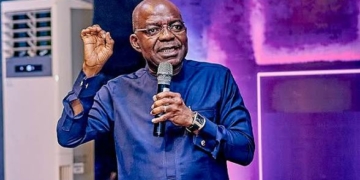
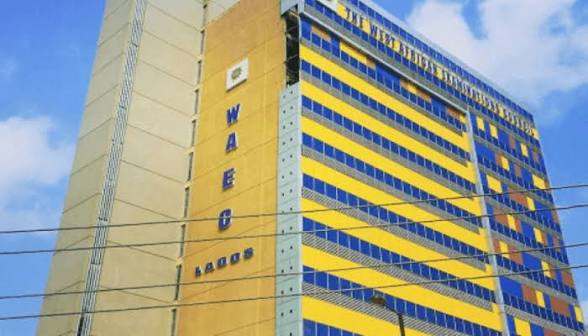
The controversy surrounding the 2026 West African Senior School Certificate Examination (WASSCE) results has escalated, with the Nigeria Police Force inviting a senior official of the West African Examinations Council (WAEC) over allegations of cyberstalking and criminal defamation.
The official, Olanrewaju Fadehan, Head of Examinations at WAEC’s Anambra office, is expected to appear before the Force National Cybercrime Centre (NPF-NCCC) in Abuja today, Wednesday, September 9, for questioning.
The invitation, dated September 3 and signed by the Director of the NPF-NCCC, AIG Akaninyene Ezima, said the police were investigating a case in which it was considered necessary to obtain clarification from Fadehan. The letter did not identify the complainant or specify the statements allegedly constituting cyberstalking or criminal defamation.
The development comes barely weeks after Fadehan publicly questioned the integrity of the 2026 WASSCE results, alleging irregularities in the conduct and processing of the examination, particularly for candidates who sat the computer-based examination.
He had alleged that there were problems around the release of the results and claimed that some candidates were adversely affected in subjects including Mathematics, English Language and Igbo.
Fadehan also raised questions over the supply of examination calculators and candidates’ identification cards, claiming, among other things, that only 13,000 calculators were supplied for about 65,000 candidates in Anambra State.
He subsequently petitioned the WAEC Board, the House of Representatives Committee on Basic Education and Examining Bodies and the Minister of Education, seeking investigation into his concerns.
But WAEC has rejected the allegations, insisting that the 2026 examination and its results remained credible.
The council’s Head of National Office, Dr Amos Dangut, said the examination body’s marking, moderation and results-processing procedures were intact, while urging candidates and other stakeholders with concerns to use the established review process.
WAEC also said the examination did not leak and attributed a decline in examination malpractice to measures including computer-based assessment, randomisation and serialisation of questions.
The council reported that 1,950,726 candidates sat the examination, while 1,200,514 candidates, representing 61.54 per cent, obtained credits in at least five subjects, including English Language and Mathematics.
However, 167,486 candidates, representing 8.59 per cent of the total, had their results withheld over alleged examination malpractice. Although the figure remains substantial, it was lower than the 9.7 per cent recorded in 2025.
The examination body has maintained that candidates dissatisfied with their results can seek a review through the prescribed channels. WAEC’s official platform also provides a complaint portal for candidates whose results have been withheld or held.
The dispute has now moved beyond the examination results themselves, following legal action by WAEC and Dangut against Fadehan.
A Lagos State High Court, presided over by Justice Yetunde Adesanya, granted an interim injunction restraining Fadehan from publishing, broadcasting, circulating or disseminating alleged defamatory statements concerning WAEC, its examinations, results and certificates, as well as the character or integrity of Dangut.
The order, issued in Suit No. LD/ADR/6656/2026, applies to publications across platforms, including social media, YouTube and WhatsApp, and is to lapse after seven days unless renewed by the court.
WAEC and Dangut are also demanding N825 million in damages from Fadehan — N500 million in general damages, N300 million in aggravated and exemplary damages and N25 million in costs.
They are further seeking an order compelling him to retract the alleged defamatory publications, issue a public apology and permanently remove them from all platforms.
Also, WAEC’s lawyers had accused Fadehan of continuing to publish what they described as inaccurate and reckless allegations despite a cease-and-desist letter issued on August 24.
The council also alleged that Fadehan had made claims concerning an earlier controversy involving diesel at its Awka office. WAEC said investigations had found his allegations to be false and described his subsequent publications as an attempt to discredit the council and its management.
However, Fadehan has denied the allegations against him. He told journalists that an internal panel had found that nobody stole fuel at the Awka office, arguing that the shortage resulted from leakage.
Similarly, he maintained that the fuel matter was separate from the disciplinary action against him. Fadehan further confirmed that he had received the papers and was aware of the injunction.
“They’ve even done that already. At least, they sent me a court paper yesterday (Monday). That one is an interim injunction that I should not post anything any longer,” he said.
On the police invitation, he added: “They’re taking me to the cybercrime centre in Abuja. Tomorrow (Wednesday), I’m supposed to appear before them.”
The latest development has therefore transformed what began as a dispute over examination results into a wider confrontation involving allegations of examination irregularities, internal disciplinary proceedings, police investigation and litigation.
While millions of Nigerian students rely on WASSCE results for admission and other academic opportunities, the dispute has also renewed questions about the mechanisms available to candidates, parents and examination officials to challenge disputed results while safeguarding the credibility of the examination system.
We’ve got the edge. Get real-time reports, breaking scoops, and exclusive angles delivered straight to your phone. Don’t settle for stale news. Join LEADERSHIP NEWS on WhatsApp for 24/7 updates →
Join Our WhatsApp Channel