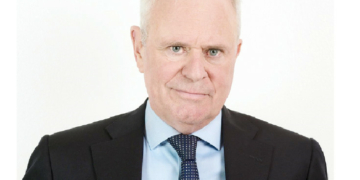

In this interview with Bukola Ogunsina, Project Director of the National Manufacturing Enterprise Programme (N-MEP) and Rector of Kaduna Business School, Adj. Prof. Dahiru Sani, shares practical insights into Nigeria’s emerging business opportunities, the pitfalls aspiring entrepreneurs should avoid, and how to access funding, navigate regulatory requirements and build resilient businesses.
If you were starting a manufacturing business in Nigeria today, what would you consider and what would it take to build a sustainable business around it?
I would choose kilishi production. The raw materials are available and affordable across the north, the product has a strong domestic market and genuine export potential, and the process is technically manageable at small scale.
The first step should be validating the production process before committing significant money to a facility. A hands-on production run at a pilot facility, can help an entrepreneur establish technical competence and understand the realities of production before investing in equipment.
The following months should focus on developing a business plan, registering the company, meeting regulatory requirements, securing financing and establishing relationships with potential buyers. Once production begins, continuous improvement is important. I would want a business that is performing better in its second year than it did in its first, rather than simply surviving.
What are the biggest mistakes you see first-time manufacturing entrepreneurs make, and how can they avoid them?
The single biggest mistake is starting without a validated process. People invest their savings or loans into equipment and product ideas they have not tested at industrial scale, and they discover quality, yield and cost problems after the money is spent.
The second mistake is treating registration and regulatory compliance as optional or something that can be delayed. NAFDAC certification, SON standards and CAC registration are important requirements for accessing buyers, platforms and finance.
The third mistake, and perhaps the costliest, is to stop learning after the training ends. The enterprises that survive Months 12 to 36 are the ones that have built a culture of continuous improvement.
For someone looking to start a manufacturing business with limited capital, which sectors in Nigeria currently offer the greatest opportunities and why?
Agro-processing is where I would direct any capital-constrained entrepreneur first. Nigeria has significant agricultural resources that can be converted into products such as shea butter, castor oil, tomato paste, essential oils, glucose syrup and sorbitol.
These are commercially viable areas where entrepreneurs can convert agricultural commodities available locally into industrial products with greater value.
I would also highlight herbal and phytomedicine production. With growing continental demand and Nigeria’s rich medicinal plant base, products such as Artemisia tea, anti-sickling formulations and industrial starch represent opportunities that many first-time entrepreneurs overlook because they associate manufacturing mainly with heavy industry.
How can aspiring manufacturers access funding, equipment or government support without becoming overwhelmed by bureaucracy?
The honest answer is: you need a guide, not just a map. The finance landscape includes CBN intervention funds, Bank of Industry facilities, state-level programmes and development finance institutions. However, first-time entrepreneurs often approach these opportunities without the documentation, business plans or other requirements lenders expect.
Preparation is therefore essential. Entrepreneurs need a properly developed business plan, registration and regulatory documentation, as well as a clear understanding of how much funding they require and how the business will repay it.
With rising production costs, unstable power supply and exchange-rate fluctuations, what strategies can help manufacturers remain profitable?
Three things, in order of impact.
First, raw material security. Manufacturers who source locally and build supplier relationships early are less exposed to exchange-rate swings than those who depend heavily on imported inputs.
Second, energy-cost management. Successful manufacturers treat power as a production input that must be managed carefully. Hybrid energy solutions, production scheduling around grid availability and energy-efficient equipment can all make a difference.
Third is waste elimination. In a high-cost environment, controlling costs at the production-floor level is one of the most reliable ways to protect profitability.
The manufacturers who win are not necessarily those with the most capital. They are those who systematically identify and remove waste from their production processes using approaches such as 5S workplace organisation and PDCA problem-solving cycles.
We’ve got the edge. Get real-time reports, breaking scoops, and exclusive angles delivered straight to your phone. Don’t settle for stale news. Join LEADERSHIP NEWS on WhatsApp for 24/7 updates →
Join Our WhatsApp Channel