On a typical weekday in Abuja, the corridors of public hospitals tell a quiet but painful story; families pacing anxiously, doctors delaying surgeries, nurses making frantic calls, all because the hospital blood bank shelves are nearly empty.
It is a familiar scene across the country, and one that health experts said has become a national emergency.
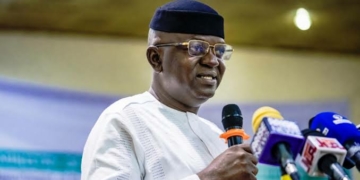
At the 2025 National Blood Donor Day programme in Abuja, the Director-General of the National Blood Service Agency (NBSA), Prof. Saleh Yuguda, said Nigeria needs between 1.8 million and 2 million units of blood every year, but collects only about 500,000.
This means three out of every four pints needed in hospitals are simply not available. And the consequences are devastating; delayed surgeries, preventable deaths, avoidable maternal mortality, unmanaged sickle cell crises, and cancer treatments that cannot proceed.
Behind every missing unit of blood is a story of a life hanging in the balance. It is the young mother battling postpartum haemorrhage after delivery, the accident victim rushed in from a highway crash, the child with sickle cell disease whose body urgently needs transfusion to stay alive or the cancer patient who cannot begin chemotherapy because the blood their treatment depends on is out of stock.
“Every uncollected unit translates into risk—risk of delayed surgeries, untreated emergencies, preventable deaths, and heartbreak for families,” Prof. Yuguda said.
Nigeria relies heavily on “replacement donors” family members asked to donate in emergencies or paid donors. But experts warn that such systems are unsafe, unreliable and often too slow to save a patient in critical condition.
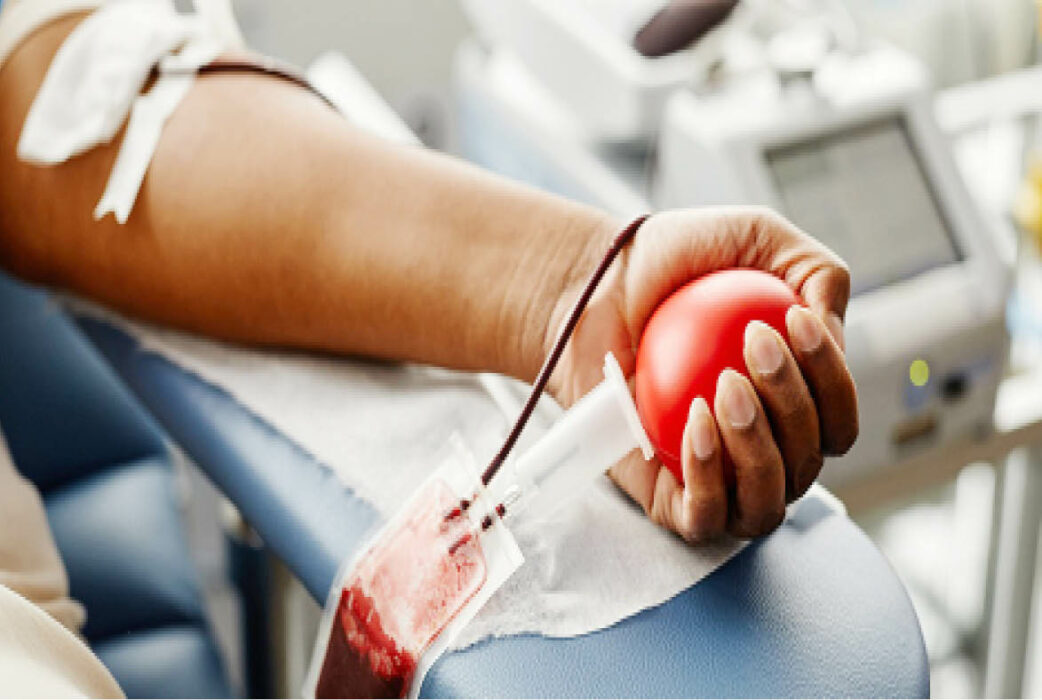
Voluntary, non-remunerated donors, people who give freely, willingly, and regularly, are globally acknowledged as the safest and most sustainable source of blood. Yet in Nigeria, these donors account for only a small fraction of total donations.
Deep-seated myths about blood donation, mistrust, fear of needles, and a lack of awareness keep many eligible donors away.
This year’s National Blood Donor Day took direct aim at that problem.
With the theme “From Headlines to Lifelines: Media Advocacy for Voluntary Blood Donation” and the slogan “Your Story Could Save a Life,” the NBSA highlighted a critical truth: the battle for safe blood is not just fought in hospitals, it is fought in the media, online, in communities, and in everyday conversations.
“The stories we amplify determine whether people step forward to give. A radio interview, a newspaper feature, a social-media post, any of these can transform fear into trust,” the DG said.
He noted that while data shows the scale of the crisis, stories drive people to act: the mother who survived childbirth because someone donated; the student who gives every year on his birthday; the sickle-cell patient who can speak today because a stranger cared enough to donate.
He emphasised that journalists and digital influencers are now frontline public-health partners.
“Nigerians act based on what they know, believe and trust. This is where the media becomes essential, your storytelling can shape public understanding and inspire participation,” he said.
He commended the NBSA for launching new initiatives, including a Media Donation Challenge and a fact-based communication campaign aimed at correcting misinformation and increasing donor recruitment.
The Chairperson of the Nigeria Union of Journalists (NUJ), FCT Chapter, Comrade Grace Ikeh, agreed. She said journalists must become advocates, not just observers.
“Every day, hospitals in this country struggle to get enough blood. When journalists amplify the right stories, they help build a safer and stronger health system,” he said.
We’ve got the edge. Get real-time reports, breaking scoops, and exclusive angles delivered straight to your phone. Don’t settle for stale news. Join LEADERSHIP NEWS on WhatsApp for 24/7 updates →
Join Our WhatsApp Channel