
When outbreaks of cholera, typhoid or diarrhoeal diseases occur in Nigeria, the response often focuses on emergency treatment, medical supplies and hospital care. While these interventions save lives, the real battle against these diseases begins with access to clean water, safe sanitation and good hygiene.
Poor sanitation contaminates water sources, while unsafe drinking water exposes communities to diseases such as cholera, typhoid fever and acute diarrhoea, illnesses that continue to account for thousands of hospital admissions every year.
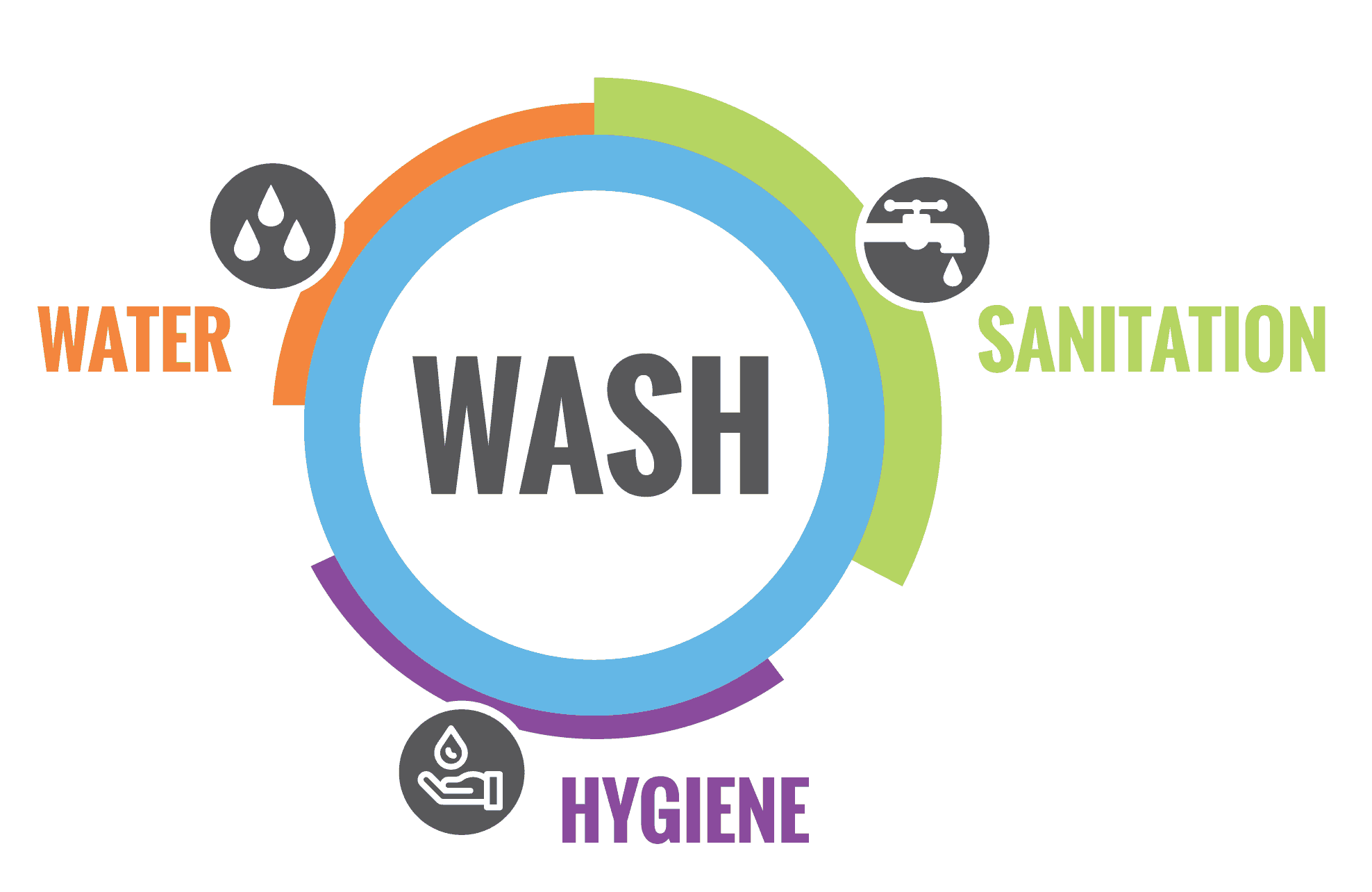
Water, Sanitation and Hygiene (WASH) has remained one of the most effective and affordable public health interventions worldwide. Yet, despite its proven role in preventing disease and reducing pressure on healthcare facilities, millions of Nigerians still lack access to safe drinking water and adequate sanitation.
A public health expert, Dr. Aminu Erokhale, stressed that improving health outcomes will require sustained investment in safe water supply, sanitation infrastructure, hygiene promotion and stronger collaboration across sectors.
He noted that every community with reliable access to clean water records fewer cases of waterborne diseases. “Functional sanitation facilities reduce environmental contamination, while good hygiene practices help interrupt the transmission of infectious diseases.
The result is fewer patients in hospitals and healthier communities, ” he explained.
Dr. Aminu also said that access to water and sanitation is not only important at the household level. It is equally critical within healthcare facilities.
According to him, hospitals and primary healthcare centres require safe water every day for childbirth, surgeries, sterilisation of medical equipment, infection prevention and patient care.
“Without reliable WASH services, healthcare workers face greater challenges in maintaining hygiene standards, increasing the risk of healthcare-associated infections.
“Improving WASH in health facilities therefore contributes directly to better quality healthcare and safer working environments for medical personnel,” he said.
The Minister of Water Resources and Sanitation, Engr. Joseph Terlumun Utsev, described Water, Sanitation and Hygiene services as essential pillars of national development.
He stressed that strengthening WASH systems is necessary for achieving public health, environmental protection, food security and sustainable economic growth.
According to Prof. Utsev, the Federal Ministry of Water Resources and Sanitation is committed to reforms, investments and partnerships that will ensure communities have access to safe and reliable water and sanitation services.
Among the ministry’s priorities are expanding water infrastructure, improving integrated water resources management, strengthening sanitation systems and increasing investments in WASH projects.
We’ve got the edge. Get real-time reports, breaking scoops, and exclusive angles delivered straight to your phone. Don’t settle for stale news. Join LEADERSHIP NEWS on WhatsApp for 24/7 updates →
Join Our WhatsApp Channel