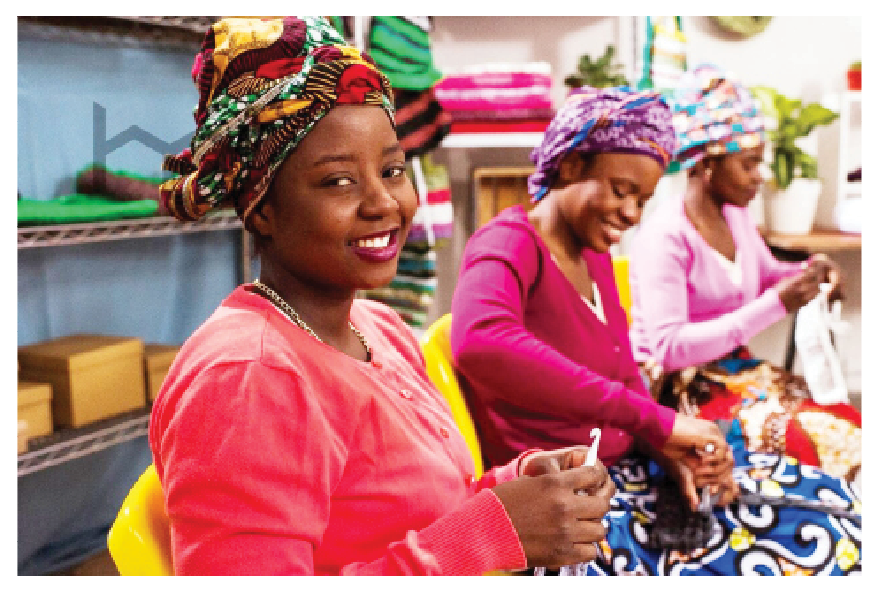
Women’s health mirrors the natural rhythms and transitions found in the four seasons, reflecting the cyclical changes that occur within a woman’s body each month. Gaining insight into these phases can significantly enhance overall health and wellbeing. According to MedlinePlus, women’s health is a branch of medicine dedicated to the diagnosis and treatment of conditions that affect a woman’s physical and emotional wellness—recognizing that hormonal shifts, reproductive health, and lifestyle all play interconnected roles.
The menstrual cycle describes the metaphor “four seasons”: menstruation (winter), the follicular phase (spring), ovulation (summer), and the luteal phase (autumn). Hormonal changes and different physical and emotional states mark each. The Four seasons of women’s health, which control physical and emotional wellbeing, include:
Menstruation(Winter): Menstruation, commonly referred to as a period, is the normal, cyclical vaginal bleeding that occurs in women of reproductive age. It’s part of the menstrual cycle, preparing the body for potential pregnancy each month. If fertilization doesn’t happen, the lining of the uterus sheds, resulting in bleeding. Hence, it is winter because it showers at this time. Knowing your monthly cycle and how to count helps you position your physical and emotional health at every given time. Most women experience menstruation for three to eight days, and the menstrual cycle typically occurs every twenty-one to thirty-five days(Mayo Clinic). Menstruation usually begins at puberty (menarche), typically around age 12, and ends at menopause, which generally occurs in the early to mid-50s(NCIB)
The amount of blood lost during a period can range from about twenty to ninety ml (one to five tablespoons)(Wikipedia).
WHO focuses on advocating for menstrual health as a human right, recognizing it as a health issue with physical, psychological, and social dimensions.
Follicular Phase(Spring): The follicular phase is the first phase of the menstrual cycle, lasting from the first day of menstrual bleeding until ovulation. It’s characterized by the development of ovarian follicles, with one follicle maturing to release an egg. This is also known as the proliferative phase because it prepares the uterus for potential pregnancy by thickening the uterine lining(Cleveland Clinic). During the follicular phase, women may experience a range of emotions, including increased energy, a lighter mood, and enhanced self-confidence due to rising estrogen levels. However, some individuals may also experience irritability, anxiety, or sadness, which can be linked to fluctuations in estrogen levels(Everyday Health).
Ovulation(Summer): Ovulation is the phase in the menstrual cycle when a mature egg is released from an ovary, typically around the middle of the cycle. This release occurs due to a surge in luteinizing hormone (LH), a hormone that stimulates the follicle in the ovary to rupture and release the egg. The released egg then travels down the fallopian tube, where it can be fertilized by sperm. Yes, ovulation can influence emotions due to fluctuating hormone levels, particularly estrogen and progesterone. These hormonal shifts can lead to mood swings, increased sensitivity, or even heightened emotional reactions in some women. While some may experience increased energy, focus, and positive mood due to rising estrogen, others might feel more irritable, anxious, or even depressed (Everyday Health).
Luteal Phase(Autumn): The luteal phase is the second half of the menstrual cycle, beginning after ovulation and lasting until the start of menstruation. It’s characterized by forming the corpus luteum, a temporary endocrine gland that produces progesterone, which prepares the uterine lining for a potential pregnancy. If fertilization doesn’t occur, the corpus luteum degenerates, causing hormone levels to drop and menstruation to begin (WebMD). The luteal phase, the second half of the menstrual cycle, is often associated with emotional fluctuations due to changing hormone levels, particularly progesterone. This phase can bring about mood swings, irritability, anxiety, and increased sensitivity to stress(Everyday Health).
Understanding the menstrual cycle as a rhythm of seasons helps demystify the physical and emotional changes women go through each month. Like nature, a woman’s body blooms, shifts, and renews itself with each passing phase. Awareness of these hormonal seasons empowers women to take better charge of their health and encourages society to view menstrual and reproductive health with empathy and respect.
By normalizing these conversations and promoting access to accurate information, we can foster a culture where women are supported through every season of their lives—because health, after all, is a lifelong journey that ebbs and flows like nature itself.
We’ve got the edge. Get real-time reports, breaking scoops, and exclusive angles delivered straight to your phone. Don’t settle for stale news. Join LEADERSHIP NEWS on WhatsApp for 24/7 updates →
Join Our WhatsApp Channel