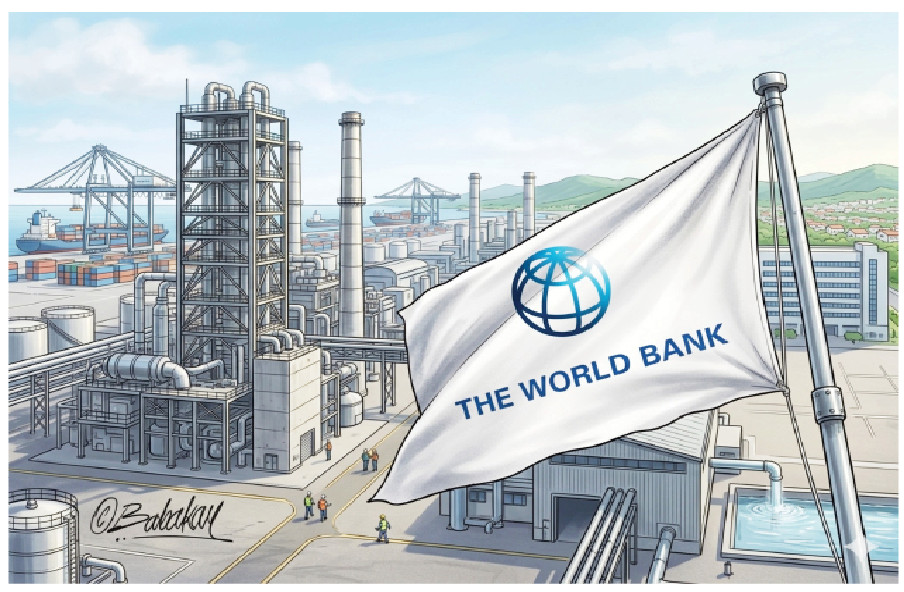
The World Bank and the African Development Bank (AfDB) said Mission 300, their joint electrification initiative, has connected more than 50 million people to electricity across 40 African countries, nearly two years after the programme was launched.
In a joint statement issued on Tuesday, the institutions said Mission 300 — launched in 2024 to provide electricity to 300 million Africans by 2030 — is delivering “rapid and measurable progress” toward that goal through investments in energy infrastructure, mobilised financing and support for policy reforms.
World Bank President Ajay Banga said the initiative was helping countries accelerate electricity access while building lasting energy platforms. He told reporters that Mission 300 was “helping countries move faster, connect more people, and build a platform that will last well beyond this effort — one others can use, build on, and scale for years to come.”
He emphasised that access to electricity, he added, extended beyond powering homes and businesses to creating jobs, supporting enterprises, improving healthcare delivery, expanding educational opportunities and driving broader economic development.
AfDB president Sidi Ould Tah said the programme should act as a catalyst for broader development outcomes across the continent. He said Mission 300 must become a “launchpad for faster electrification” that would improve food security through affordable irrigation, increase capacity to store medicines for better health outcomes and spur more inclusive economic and social empowerment.
The two development banks said the milestone represents nearly one‑fifth of the programme’s 2030 target and noted that, if fully successful, Mission 300 would reach more than half of the roughly 565 million Africans who still lack access to electricity. They pointed out that Africa accounts for more than 80 per cent of the world’s population without electricity and singled out countries such as South Sudan, Burundi and Chad as among the lowest globally in electrification rates.
According to the statement, the initiative evaluates energy projects and mobilises financing for qualified investments with the objective of raising at least $90 billion from public, private and multilateral sources. The World Bank and AfDB said they have committed nearly $15 billion to Mission 300 so far and secured about $4.5 billion in co‑financing, while additional development partners have pledged more than $7 billion in support.
The banks reported that, among the beneficiaries, at least 7.5 million people in Tanzania, 4.6 million in Ethiopia and a similar number in Nigeria have already gained access to electricity under Mission 300. They added that the programme has encouraged energy‑sector reforms across the continent, with 30 countries having established National Energy Compacts — country‑led plans aimed at strengthening energy systems and expanding access to affordable electricity. The statement said Burkina Faso, the Central African Republic, Djibouti, Gabon, Rwanda and Uganda were expected to announce additional compacts this week.
The Banks noted recent country‑level actions under the initiative. They said Mission 300 disclosed in February 2026 that it planned to provide household energy access to 17.5 million Nigerians as part of its broader electrification strategy. They added that in January the AfDB had approved a $3.9 million two‑year project to support Nigeria and 12 other African countries in implementing energy compacts under Mission 300, and that the World Bank had approved $50 million in January to expand solar‑powered agricultural solutions in Nigeria and five other African countries.
Looking back, the banks recalled that in January 2025 the AfDB and the World Bank Group jointly committed $40 billion toward Mission 300, underlining the scale of international backing for the electrification drive.
Both institutions said Mission 300’s combination of infrastructure investment, policy support and financing mobilisation was intended to accelerate access to reliable, affordable power and lay the foundations for long‑term economic benefits across Africa.
We’ve got the edge. Get real-time reports, breaking scoops, and exclusive angles delivered straight to your phone. Don’t settle for stale news. Join LEADERSHIP NEWS on WhatsApp for 24/7 updates →
Join Our WhatsApp Channel