BY YUSUF BABALOLA AND ANDREW OJIEZEL, Lagos
For 22 years, they waited. They waited through four presidencies, through empty promises and broken timelines, through hunger, sickness and burial after burial. By the time the money finally came, more than 700 of them were no longer alive to receive it.
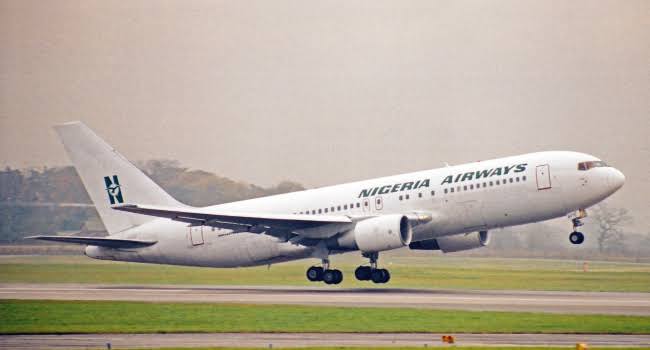
This is the story of the retirees of the defunct Nigeria Airways Limited and the pensioners of the Aviation Union Grand Alliance (AUGA) — men and women who once kept Nigeria’s skies running, reduced in old age to sleeping on union office floors, trekking for want of transport fare, and watching their families fall apart, all while waiting for entitlements that were rightfully theirs.
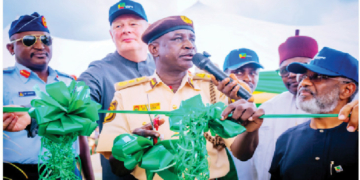
The Federal Ministry of Finance said it had commenced payment of N18 billion in outstanding severance benefits to 2,700 former Nigeria Airways workers, with payments concluded for 2,100 beneficiaries under Batches One to Seven, and the remaining 600 under Batches Eight and Nine due within days. For the survivors, the announcement brought relief. But it also brought grief, as they reckoned with how many of their colleagues had not lived long enough to see it.
“We are counting over 700 people that have actually died, yes, and a good number of people are severely ill as we are talking,” said Kyari Ayuba, a former Nigeria Airways staff member.
He described the cruel timing that met some retirees at the very end of their wait. “Despite the fact that they started paying, you find that some people just collected their money and died the following day or within two days because of sicknesses that have ravaged their bodies.”
Among the AUGA pensioners, the toll was even higher. The union’s chairman, Comrade Ibekwe Festus Ezeala, said over 3,000 members had died during the 22-year wait, a period he described as one of the most painful his union had endured, as one government regime after another passed without resolving the matter. He recalled how union leaders, including AUGA’s president, Comrade Capt. Alfa, and his vice, Comrade Hussine, had slept on the floor of union premises while fighting for the payment, and had personally shouldered the burden of repeated trips to Abuja during the years of struggle.
The human cost went beyond death. Ayuba said many retirees had survived only through improvisation, “cutting and pasting jobs with different companies,” while others leaned entirely on their grown children for house rent and feeding. Those without such support, he said, simply “fall sick and they don’t have the means to take care of themselves.”
According to the AUGA account, families were pulled apart under the weight of the wait, with strained marriages and children’s education disrupted by the inability to feed or maintain a home.
Chris Aligbe, another former Nigeria Airways worker, said he had survived largely by divine grace, even as he watched colleagues fall away one by one. “It’s God that has been seeing me through. But many of my colleagues have died. It’s sad,” he said.
He remembered the men who once flew presidents and helped shape Nigeria’s foreign policy in Africa — pilots, captains and engineers — reduced in the end to a painful wait for money owed to them for decades.
For those who did receive their money, the years of delay had eaten deep into its value. “Somebody who has to receive N100,000 after the time of liquidation is receiving just about eight or nine thousand naira because the value has been eroded,” Ayuba said, adding that a retiree collecting a million naira today might need “treatment that is probably more than a millionaire” — leaving them healthy, perhaps, but empty-handed.
Both groups credited President Bola Tinubu with finally releasing funds that eluded them under previous administrations.
Aligbe said Buhari had paid the first 50 per cent of the entitlements before leaving office, after Obasanjo and Jonathan “couldn’t care.” Ezeala similarly praised Tinubu for completing what Buhari had started but could not finish, thanking the Minister of Aviation, the Minister of Finance, and union figures including NUATE president Comrade Ben Nwabueze and general secretary Comrade Ocheme for their roles in the years-long push.
Despite everything he had lost, Aligbe said he would still answer the call to help rebuild Nigeria’s aviation industry if asked. “Even if I’m walking to my grave and they call me, I will stop before I enter the grave. Because our country, we need a national flag carrier,” he said. Ayuba, at 73, offered similar support in a consultancy or training capacity, while Capt. Abdullahi Sidi, who left the airline after four years and does not qualify for the severance package, welcomed the payment nonetheless, calling it proof that “what will be will eventually be, no matter how late it is.”
For serving aviation workers watching from the sidelines, the payment carried its own quiet reassurance. As one described it, it was morale-boosting proof that years of service to the country would not, in the end, be in vain.
We’ve got the edge. Get real-time reports, breaking scoops, and exclusive angles delivered straight to your phone. Don’t settle for stale news. Join LEADERSHIP NEWS on WhatsApp for 24/7 updates →
Join Our WhatsApp Channel