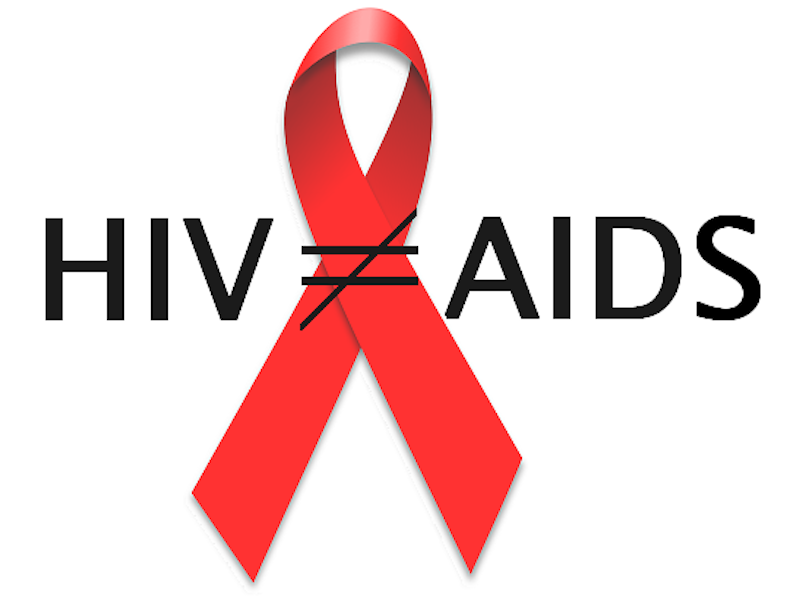
The National Agency for the Control of AIDS (NACA) has stated that Nigeria is making significant strides toward ending AIDS as a public health threat by 2030, noting that the country has sustained progress toward the global 95-95-95 targets, achieving an 87.98–95 performance.
The Director-General of NACA, Dr Temitope Ilori, stated this on Tuesday at a press briefing ahead of World AIDS Day 2025, with the theme: Overcoming Disruption: Sustaining Nigeria’s HIV Response”, in Abuja.
“87 per cent of people living with HIV in Nigeria now know their status, 98 per cent of those diagnosed are on life-saving antiretroviral treatment, and 95 per cent of those on treatment have achieved viral suppression, meaning they cannot transmit HIV.
“These numbers show that Nigeria remains firmly on track to end AIDS as a public health threat by 2030. Despite global disruptions, from pandemics to fluctuating donor support, our response has adapted, innovated, and endured,” Dr Ilori said.
Over the last decade, Nigeria has recorded a 46 per cent decline in new HIV infections, and more people living with HIV are being enrolled and retained in care.
Dr Ilori highlighted the country’s move toward sustainability, noting that several states have increased budget allocations and strengthened HIV Trust Funds.
She also applauded the Federal Government’s decision to inject $200 million (200 billion) into HIV, tuberculosis, and malaria programmes to prevent service disruption amid global funding uncertainty.
In 2024 alone, 204,201 individuals from key populations were actively receiving treatment, with strong viral suppression rates. NACA also reported improvements in digital reporting and the integration of HIV services into state health insurance schemes, boosting efficiency and accountability.
Despite the gains, Ilori warned that stigma, discrimination, and heavy reliance on external funding continue to threaten long-term sustainability. Nigeria still accounts for a disproportionate share of global paediatric HIV infections, and hard-to-reach communities remain underserved.
She, therefore, revealed the agency’s plan to scale up domestic financing, prevent mother-to-child transmission (PMTCT), increase access to PrEP, implement community-led service delivery, and local production of antiretroviral drugs.
Speaking at the event, Gabriel Ikwo from the UNAIDS urged continued political leadership and community empowerment.
“Ending AIDS by 2030 requires transformative approaches that sustain services and accelerate impact. We commend Nigeria’s commitment and remain fully supportive,” he said.
Abdulkadir Ibrahim, National Coordinator of the Network of People Living with HIV in Nigeria (NEPWHAN), described the government’s funding commitment as a “bold demonstration of leadership.”
World AIDS Day is marked annually on December 1 to honour lives lost and renew the global commitment to ending the epidemic.
We’ve got the edge. Get real-time reports, breaking scoops, and exclusive angles delivered straight to your phone. Don’t settle for stale news. Join LEADERSHIP NEWS on WhatsApp for 24/7 updates →
Join Our WhatsApp Channel