About nine in every 10 Nigerian adults still lack a formal pension arrangement, despite a marginal increase in pension coverage from 7.8 per cent of the adult population in 2023 to 9.1 per cent in 2026, the latest Access to Financial Services in Nigeria survey has revealed.
A 2026 A2F Survey, conducted by Enhancing Financial Innovation and Access, showed that pensions remained one of the least-used formal financial products in the country, even as overall financial inclusion continued to improve.
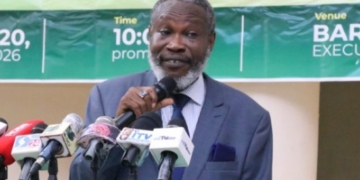
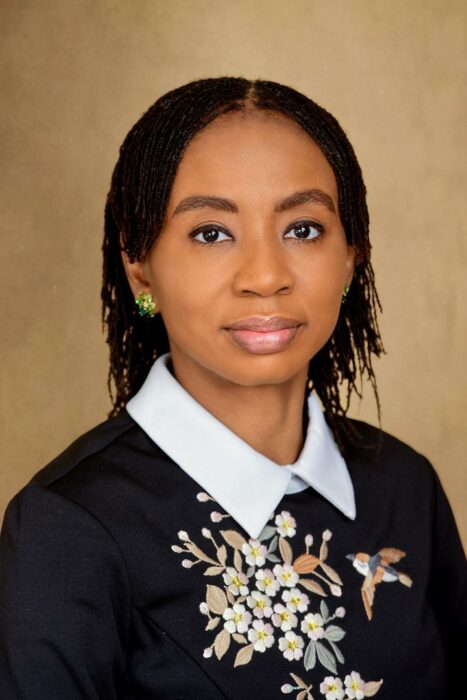
Speaking at the official launch of the report in Abuja on Wednesday, the Director-General of the National Pension Commission, Omolola Oloworaran, said the slight increase in pension participation highlighted the scale of the country’s retirement security challenge.
“Pension participation has risen from 7.8 per cent of adults in 2023 to 9.1 per cent in 2026. That progress is real, and it is encouraging. But turn the statistics around.
“Roughly nine out of every 10 Nigerian adults still stand outside any formal pension arrangement,” she said.
According to Oloworaran, the challenge was particularly pronounced among workers in the informal and emerging sectors of the economy, many of whom earn regular incomes but have inadequate retirement provisions.
She identified traders, farmers, mechanics, drivers, tailors, hairdressers and workers in the digital economy as some of those operating outside formal pension arrangements.
“They work, they earn, they carry this economy. But too many of them are growing older without building any security for the day they can no longer work. That is the great frontier of pension reform,” she added.
Oloworaran said financial inclusion should move beyond giving Nigerians access to bank accounts and digital financial services to providing products capable of delivering long-term financial security.
She noted that pension savings served as an important link between income earned during Nigerians’ working years and their welfare after retirement.
The PenCom boss disclosed that the commission was redesigning pension inclusion through the Personal Pension Plan, while calling for a dedicated model to identify factors that could encourage informal-sector workers to save consistently.
She also proposed the development of a pension inclusion map that would combine EFInA’s survey evidence with PenCom’s regulatory and industry data.
According to her, the map would help identify pension gaps across geographical locations and demographic groups, including gender, age, occupation and income.
“As we roll out the Personal Pension Plan, I invite EFInA to work with PenCom and the industry to test what works, from digital onboarding to accredited pension agent distribution framework, transaction-based savings, matching incentives and behavioural models,” she said.
Also speaking, the Deputy Head of Mission at the German Embassy, Johannes Lehne, said Germany would use the survey findings to better align its development cooperation with Nigeria’s needs.
He identified efforts to expand economic participation among women and in the agricultural sector as areas of interest.
Lehne said Germany wanted to contribute to “a prosperous and all-inclusive Nigeria.”
We’ve got the edge. Get real-time reports, breaking scoops, and exclusive angles delivered straight to your phone. Don’t settle for stale news. Join LEADERSHIP NEWS on WhatsApp for 24/7 updates →
Join Our WhatsApp Channel