
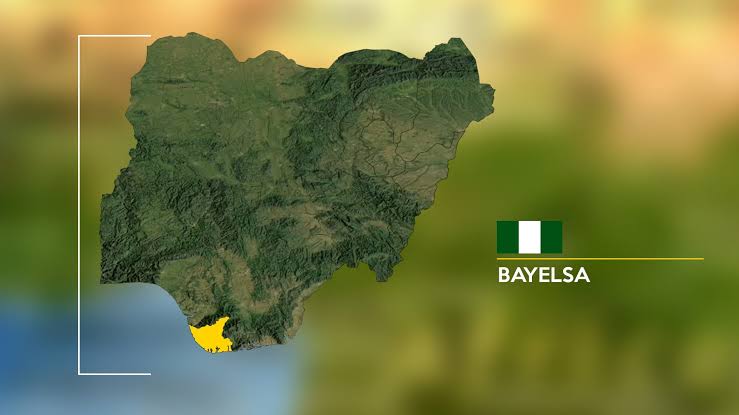
For families struggling to help loved ones overcome drug addiction in Bayelsa State, the search for affordable treatment remains a concern as the state government’s planned rehabilitation centre is yet to begin operations.
The delay raises questions about where people who cannot afford private treatment can turn for help, particularly those living in rural and riverine communities where access to healthcare services is often difficult.
Although the Bayelsa State Government says the centre will provide affordable treatment, including detoxification, rehabilitation and follow-up care, its opening date, treatment costs and arrangements for receiving patients remain unclear.
The Chairman of the Bayelsa State Drug Abuse Prevention and Rehabilitation Committee (BADAPARC), Dr Peter Owonaro, had earlier said the facility was almost completed and would soon be put to use.
He said the government was committed to making rehabilitation services affordable, especially for poor residents and people in rural communities who might otherwise struggle to access treatment.
“When it is opened, the centre will provide rehabilitation services at a reduced cost so that our rural dwellers can afford it,” Owonaro said.
He explained that the facility was expected to provide three major services: detoxification, rehabilitation, and post-rehabilitation engagement and follow-up.
However, during a subsequent telephone interview on the project’s level of completion, Owonaro disclosed that technical concerns had necessitated a change to the facility’s original design.
He said the initial building was not considered suitable for patients who might become violent because of substance abuse, raising concerns about their safety and the risk of injury.
“In terms of the rehabilitation centre, we identified some technical problems because these are people that you are bringing in who have a substance abuse problem and they can be violent,” he said.
He added that the building had glass fittings and a structural design that could put patients at risk of harm.
According to him, the state government decided to construct another building closer to a hospital to ensure that patients could receive emergency medical attention when necessary.
The chairman, however, did not provide further details on the progress of the proposed alternative facility, its expected completion date or when it would begin receiving patients.
Attempts to obtain further clarification from him were unsuccessful, as he did not respond to subsequent calls and messages before this report was filed.
The uncertainty surrounding the facility comes amid concerns raised by officials of the National Drug Law Enforcement Agency (NDLEA) and BADAPARC over substance misuse among young people and the need for stronger prevention and rehabilitation services.
Owonaro had earlier disclosed that BADAPARC had visited 176 secondary schools to educate students on the dangers of drug abuse and establish drug-free clubs to promote awareness and prevention.
He also urged parents, traditional rulers and community leaders to support efforts to prevent substance misuse and help recovering users reintegrate into society.
The NDLEA Deputy State Commander, Dr Chia Francis, described drug abuse in the state as a serious concern, citing a 2018 report by the United Nations Office on Drugs and Crime that ranked Bayelsa third among the six South-South states in terms of drug use.
He identified cannabis, methamphetamine, tramadol and a locally consumed mixture known as “goskolo” among the substances of concern.
The NDLEA’s Command Media and Advocacy Officer, Obah Daniel-Howells, said the agency arrested 600 suspects for various drug-related offences in 2025 and seized 621 kilogrammes of assorted drugs. He added that about 20 convictions were recorded during the year.
Daniel-Howells said people requiring addiction treatment were referred for counselling and rehabilitation rather than automatically facing prosecution.
The NDLEA also identified difficulties in reaching some riverine communities because of inadequate boats and operational vehicles, a challenge that could complicate efforts to provide prevention and support services in hard-to-reach areas.
For residents outside Yenagoa, the availability of an affordable rehabilitation centre could be particularly important, given the additional transport costs and logistical difficulties involved in seeking specialist care.
The planned centre is expected to address some of these concerns through reduced treatment costs and follow-up services. However, until it becomes operational and details of its services are made public, the extent to which it will meet the needs of affected residents remains uncertain.
Beyond treatment, stakeholders have emphasised the need for parental supervision, public education, community participation and support for recovering drug users.
For families dealing with addiction, the challenge is not only preventing drug use but also finding accessible treatment and sustained support to help affected relatives recover and rebuild their lives.
We’ve got the edge. Get real-time reports, breaking scoops, and exclusive angles delivered straight to your phone. Don’t settle for stale news. Join LEADERSHIP NEWS on WhatsApp for 24/7 updates →
Join Our WhatsApp Channel