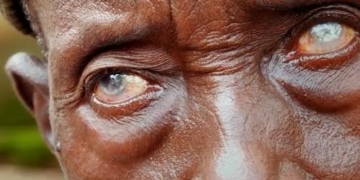
Bauchi State government, in partnership with the United Nations Children’s Fund (UNICEF), has intensified efforts to eliminate neglected tropical diseases (NTDs) across the state.
These diseases include schistosomiasis, onchocerciasis, lymphatic filariasis (hydrocele/lymphoedema), trachoma, snakebite, noma, leprosy, Buruli ulcer, yaws/leishmaniasis and rabies.
Speaking during a media dialogue on NTD Elimination in Bauchi State yesterday, the Chief, UNICEF Bauchi Field Office, Dr Nuzhat Rafique, described poverty as a vicious cycle that perpetuates ill-health.
“Poverty leads to unclean environments and poor sanitation, which increase susceptibility to diseases. When people fall sick, they cannot work, which further deepens poverty,” she said.
Dr Rafique urged journalists to intensify public education campaigns to promote behavioural change, maintain clean environments, ensure access to safe water, discourage open defecation and avoid using polluted water.
She highlighted the progress in Bauchi and Gombe states, noting that with proper WASH (Water, Sanitation and Hygiene) interventions, many NTDs can now be prevented without repeated mass drug administration.
She emphasised that Bauchi’s gains must be maintained and strengthened through good sanitation, timely identification of cases and prompt treatment.
Dr Rafique further stressed that preventing disease-carrying flies and mosquitoes can also reduce other illnesses, including malaria and diarrheal diseases, all of which are linked to poor sanitation and water quality.
On his part, the Bauchi State coordinator of NTDs for the Primary Healthcare Development Agency, Haruna Barau Wakili, lamented that for years, the NTDs sector in Bauchi had been largely overlooked. He, however, noted that the sector is now included in the 2026 state budget, which he described as a milestone and called for measures to ensure sustained funding for elimination efforts.
He added that 13 local government areas have been actively distributing drugs annually. While most LGAs are no longer considered high-risk, surveillance will continue to ensure disease control targets are met.
He also called on the state government to keep providing snake bite treatments.
The North-East zonal coordinator of the Federal Ministry of Health and Social Welfare, Hauwa Abubakar, described NTDs as serious but preventable and treatable, emphasising that they mostly affect rural populations living in poverty.
She highlighted the media’s crucial role in mobilising communities, raising awareness, and encouraging positive behavioral change.
“NTDs are public health challenges that require focused preventive measures before they become widespread threats. We must intensify awareness campaigns, promote hygiene, and ensure access to clean water to protect our communities,” she added.
We’ve got the edge. Get real-time reports, breaking scoops, and exclusive angles delivered straight to your phone. Don’t settle for stale news. Join LEADERSHIP NEWS on WhatsApp for 24/7 updates →
Join Our WhatsApp Channel